

Hey there! As a supplier of cross drill bits, I often get asked whether these bad boys can be used in a wet environment. It's a valid question, and today, I'm gonna break it down for you.
First off, let's talk about what a cross drill bit is. A cross drill bit, as the name suggests, has a cross - shaped tip. This design is super effective for drilling through various materials, especially hard rocks. It distributes the force evenly across the tip, making the drilling process more efficient. If you're interested in checking out our X Drill Bit, you can click X Drill Bit. It's one of our top - selling products, and it shares some similarities with the cross drill bit in terms of performance.
Now, back to the main question: Can a cross drill bit be used in a wet environment? The short answer is yes, but there are some things you need to keep in mind.

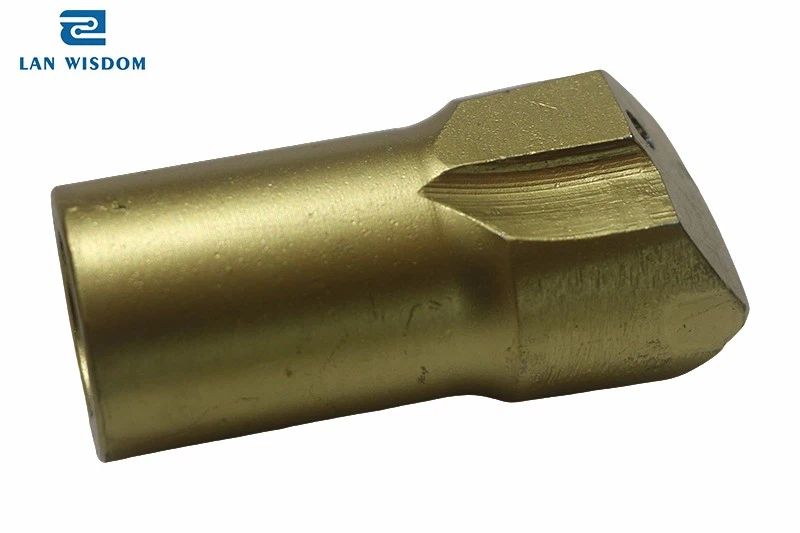
Advantages of Using Cross Drill Bits in Wet Environments
One of the biggest advantages is cooling. Drilling generates a ton of heat. When you're drilling in a dry environment, this heat can build up quickly, which can damage the drill bit. The high temperature can cause the metal to lose its hardness and sharpness, reducing the drill bit's lifespan. But in a wet environment, the water acts as a coolant. It absorbs the heat generated during the drilling process, keeping the drill bit at a more stable temperature. This means the drill bit stays sharper for longer and can handle more drilling without wearing out.
Another benefit is dust suppression. Drilling, especially through hard materials like rocks, creates a lot of dust. This dust can be a health hazard if inhaled, and it can also make the work area messy. When you drill in a wet environment, the water helps to suppress the dust. The water droplets bind with the dust particles, preventing them from becoming airborne. This makes the work environment safer and cleaner.
Challenges of Using Cross Drill Bits in Wet Environments
However, it's not all sunshine and rainbows. There are some challenges you might face when using a cross drill bit in a wet environment.
Corrosion is a major concern. Water, especially if it's not pure, can cause the drill bit to rust. Rust weakens the metal, making the drill bit more prone to breakage. To combat this, you need to make sure your cross drill bit is made from high - quality, corrosion - resistant materials. At our company, we use special alloys in our cross drill bits that are designed to resist corrosion. Even so, after using the drill bit in a wet environment, it's important to dry it thoroughly and apply a protective coating if possible.
The wet environment can also affect the drilling performance in some cases. The water can create a layer of mud or slurry around the drill bit. This can increase the friction between the drill bit and the material being drilled, making the drilling process more difficult. You might need to adjust your drilling speed and pressure to compensate for this. Sometimes, you may even need to use a different type of drill bit or a drilling fluid that's specifically designed for wet conditions.
Compatibility with Other Tools
If you're using a cross drill bit in a wet environment, you also need to consider its compatibility with other tools. For example, if you're using it with a Steel Drill Rod, the rod also needs to be able to withstand the wet conditions. The connection between the drill bit and the rod should be tight and secure to prevent water from seeping in and causing damage.
Types of Wet Environments
Not all wet environments are the same. There are different types, such as underwater drilling, drilling in a rainy outdoor environment, or drilling in a mine where there's groundwater. Each type has its own unique challenges.
Underwater drilling is the most extreme case. The pressure underwater can be very high, which can put additional stress on the drill bit. You need a drill bit that's specifically designed to handle high - pressure conditions. In a rainy outdoor environment, the rain is usually not as forceful as underwater pressure, but you still need to worry about corrosion and mud buildup. In a mine with groundwater, the water might contain minerals and chemicals that can be more corrosive than regular water.
Maintenance Tips
To ensure the longevity of your cross drill bit when using it in a wet environment, proper maintenance is key. After each use, clean the drill bit thoroughly to remove any mud, dirt, or debris. You can use a wire brush or a cleaning solution to do this. Then, dry the drill bit completely. You can use a cloth or let it air - dry in a warm, dry place.
If you notice any signs of rust or damage, address it immediately. You can use a rust remover to get rid of the rust, and if the damage is severe, you might need to replace the drill bit.
Comparing with Other Drill Bits
Let's compare the cross drill bit with a Chisel Bit when it comes to wet environments. A chisel bit has a flat, chisel - shaped tip. It's great for breaking up hard materials, but it might not be as efficient as a cross drill bit in terms of heat dissipation in a wet environment. The cross - shaped tip of the cross drill bit allows for better water flow around the tip, which helps with cooling.
On the other hand, the chisel bit might be more effective in certain types of wet environments where you need to break up large chunks of material. For example, in a mine where there are big rocks that need to be broken into smaller pieces, the chisel bit's design can provide more concentrated force for breaking.
Conclusion
So, to sum it up, a cross drill bit can definitely be used in a wet environment, and it has some real advantages like cooling and dust suppression. But you need to be aware of the challenges, such as corrosion and potential performance issues. By choosing a high - quality drill bit, taking proper care of it, and adjusting your drilling techniques, you can make the most of using a cross drill bit in a wet environment.
If you're in the market for a cross drill bit or have any questions about using them in wet environments, don't hesitate to reach out. We're here to help you find the best solution for your drilling needs. Whether you're a professional contractor or a DIY enthusiast, we've got the right drill bit for you. Let's start a conversation and see how we can work together to get your drilling projects done efficiently and effectively.
References
- Industry research on drill bit performance in wet conditions
- Manufacturer's guidelines for cross drill bit usage and maintenance


