Can a pneumatic trigger be used in a textile - manufacturing environment?
In the dynamic landscape of textile manufacturing, the quest for efficiency, precision, and reliability is unending. As a leading supplier of pneumatic triggers, I am often asked whether these devices can find a suitable place within the textile - manufacturing environment. In this blog, we will explore the viability of using pneumatic triggers in textile manufacturing, considering their features, potential benefits, and possible challenges.


Understanding Pneumatic Triggers
Pneumatic triggers are essential components in many pneumatic tools. They are designed to control the flow of compressed air, which in turn activates the tool's function. These triggers are known for their quick response, durability, and the ability to provide consistent performance. They are commonly used in various industries, such as automotive, construction, and manufacturing, where high - speed and repetitive tasks are involved.
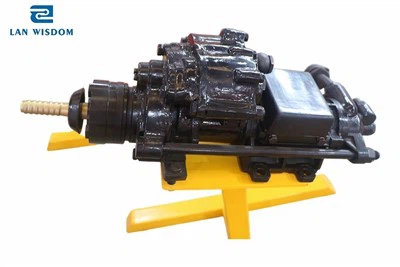
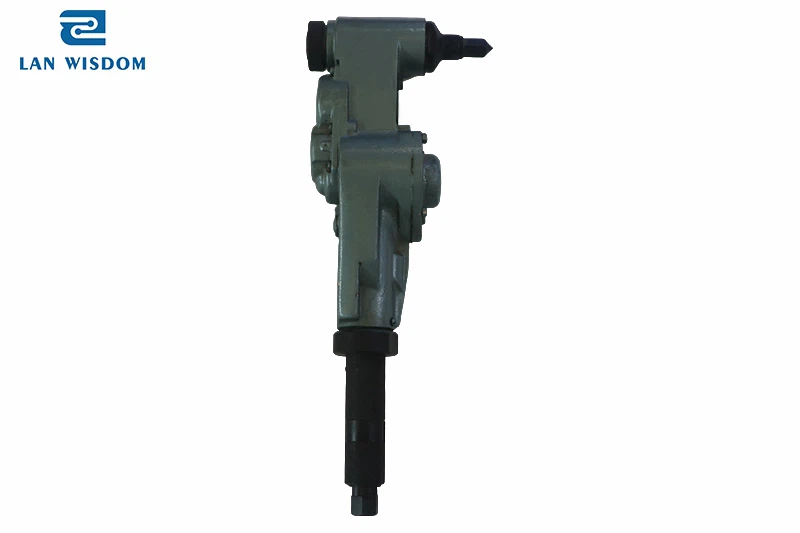
Our company offers a wide range of pneumatic tools, including 30mm Air Impact Wrench, 39mm Air Impact Wrench, and 20mm Air Impact Wrench, all of which are equipped with high - quality pneumatic triggers. These tools are engineered to meet the diverse needs of different industries, and the question is whether they can be effectively utilized in textile manufacturing.
Potential Benefits of Using Pneumatic Triggers in Textile Manufacturing
1. Precision and Control
In textile manufacturing, precision is of utmost importance. Pneumatic triggers offer excellent control over the operation of pneumatic tools. They can be adjusted to deliver a specific amount of force or movement, which is crucial for tasks such as cutting, sewing, and fabric handling. For example, when cutting fabric, a pneumatic trigger can ensure that the cutting tool makes a clean and accurate cut, reducing waste and improving the overall quality of the product.
2. High - Speed Operation
Textile manufacturing often involves high - volume production. Pneumatic triggers can enable rapid and repetitive operation of pneumatic tools, increasing the production speed. This is particularly beneficial for tasks like stitching, where a large number of stitches need to be made in a short period. The quick response of pneumatic triggers allows for seamless and efficient operation, leading to higher productivity.
3. Durability
The textile manufacturing environment can be demanding, with tools being subjected to continuous use. Pneumatic triggers are known for their durability. They are made from high - quality materials that can withstand the rigors of daily operation. This means less downtime due to tool breakdowns and lower maintenance costs in the long run.
4. Energy Efficiency
Pneumatic tools powered by pneumatic triggers are generally more energy - efficient compared to their electric counterparts. Compressed air is a clean and renewable energy source, and using pneumatic triggers can help reduce the overall energy consumption in the textile manufacturing process. This not only contributes to cost savings but also aligns with the growing trend towards sustainable manufacturing.
Challenges of Using Pneumatic Triggers in Textile Manufacturing
1. Dust and Lint
The textile manufacturing environment is often filled with dust and lint. These particles can enter the pneumatic system and cause blockages in the pneumatic trigger or other components of the pneumatic tool. To mitigate this issue, proper filtration systems need to be in place to prevent dust and lint from entering the pneumatic system. Regular maintenance and cleaning of the tools are also essential to ensure their optimal performance.
2. Noise
Pneumatic tools can generate a significant amount of noise during operation. In a textile manufacturing facility, where workers are often in close proximity to the tools, excessive noise can be a health hazard. Employers need to take measures to reduce the noise level, such as using noise - reducing enclosures or providing workers with appropriate hearing protection.
3. Compressed Air Quality
The quality of compressed air is crucial for the proper functioning of pneumatic triggers. Contaminants in the compressed air, such as moisture, oil, and dirt, can damage the pneumatic trigger and other components of the tool. Therefore, it is necessary to have a reliable compressed air supply system with proper filtration and drying equipment to ensure the quality of the compressed air.
Case Studies and Real - World Applications
There are already some successful applications of pneumatic triggers in textile manufacturing. For instance, in some large - scale textile factories, pneumatic triggers are used in automated cutting machines. These machines can quickly and accurately cut fabric according to the pre - set patterns, improving the production efficiency and quality.
In addition, pneumatic triggers are also used in sewing machines. They can control the movement of the needle and the feeding of the fabric, ensuring smooth and precise stitching. This has significantly improved the productivity of sewing operations in textile manufacturing.
Conclusion
In conclusion, pneumatic triggers can indeed be used in a textile - manufacturing environment. They offer numerous benefits, including precision, high - speed operation, durability, and energy efficiency. However, there are also some challenges that need to be addressed, such as dust and lint, noise, and compressed air quality.
As a pneumatic trigger supplier, we are committed to providing high - quality products and solutions to meet the specific needs of the textile manufacturing industry. If you are interested in learning more about our pneumatic triggers and how they can be applied in your textile manufacturing processes, we encourage you to contact us for a detailed discussion. Our team of experts is ready to assist you in finding the most suitable pneumatic trigger solutions for your business.
References
- [1] Smith, J. (2018). Pneumatic Tools in Industrial Applications. Industrial Tool Journal, 12(3), 45 - 52.
- [2] Johnson, A. (2019). Textile Manufacturing: Trends and Technologies. Textile Industry Review, 20(2), 67 - 75.
- [3] Brown, C. (2020). The Role of Pneumatic Systems in Modern Manufacturing. Manufacturing Innovation Magazine, 15(4), 32 - 39.