Hey there! As a supplier of Steel Drill Rod, I often get asked if a steel drill rod can be used for drilling in frozen ground. It's a valid question, especially considering the unique challenges that frozen ground presents. In this blog, I'll share my insights on this topic based on my experience in the industry.
First off, let's talk about what makes frozen ground so tough to drill through. Frozen ground is essentially soil or rock that has been hardened by low temperatures, turning the water within it into ice. This ice acts as a binding agent, making the ground much denser and more resistant to penetration compared to regular, unfrozen ground. The hardness and brittleness of frozen ground can vary depending on factors like temperature, soil type, and the amount of moisture present.


Now, can a steel drill rod handle the job? The short answer is yes, but with some important considerations. Steel drill rods are known for their strength and durability, which are crucial when dealing with the high forces and stresses involved in drilling. They're made from high - quality steel alloys that can withstand a fair amount of wear and tear.
One of the key advantages of using a steel drill rod in frozen ground is its ability to transfer the drilling energy effectively. When you're drilling, the drill rod needs to transmit the rotational and percussive forces from the drilling machine to the drill bit. Steel has excellent mechanical properties that allow it to do this efficiently, ensuring that the bit can break through the frozen ground.
However, not all steel drill rods are created equal. The type of steel, its heat treatment, and the design of the drill rod can all impact its performance in frozen ground. For example, a drill rod with a higher carbon content may be more brittle, which could lead to cracking or breakage when drilling in the hard, unforgiving frozen ground. On the other hand, a well - heat - treated drill rod with the right alloy composition can offer better toughness and resistance to fatigue.
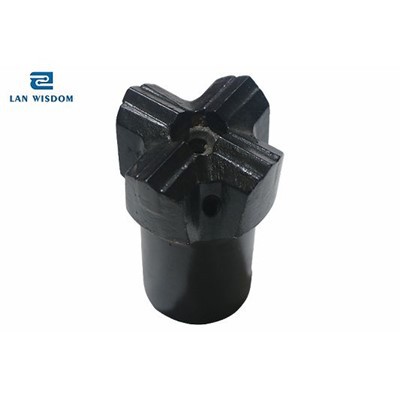
Another factor to consider is the choice of drill bit. In frozen ground, the drill bit takes the brunt of the work. Two common types of drill bits that are often used are the Button Bit and the Chisel Bit.
Button bits are great for drilling in hard and abrasive materials like frozen ground. They have tungsten carbide buttons on the cutting face, which are extremely hard and can withstand the high impact forces generated during drilling. These buttons help to break up the frozen ground by chipping away at it in small pieces.
Chisel bits, on the other hand, are more suitable for softer to medium - hard frozen ground. They have a flat or pointed cutting edge that can penetrate the ground by splitting it apart. Chisel bits are often used when the frozen ground has a more homogeneous structure.
When using a steel drill rod in frozen ground, proper drilling techniques are also essential. You need to adjust the drilling parameters such as the rotational speed, feed rate, and percussive force according to the conditions of the frozen ground. For instance, if the ground is extremely hard, you may need to reduce the rotational speed and increase the percussive force to break through it.
It's also important to keep the drill rod and bit cool during the drilling process. Drilling in frozen ground generates a lot of heat due to the friction between the drill bit and the ground. Excessive heat can damage the drill rod and bit, reducing their lifespan. Using a suitable drilling fluid or coolant can help to dissipate the heat and keep the equipment in good working condition.
Maintenance is another crucial aspect. Regularly inspecting the drill rod for signs of wear, such as cracks, bends, or excessive corrosion, is necessary. If any issues are detected, the drill rod should be repaired or replaced immediately to avoid further problems during drilling.
Now, let's talk about some of the limitations. While steel drill rods can be used in frozen ground, there are situations where they may not be the best option. For example, if the frozen ground contains large boulders or rocks with irregular shapes, the drill rod and bit may encounter difficulties in penetrating them. In such cases, more specialized drilling equipment or techniques may be required.
Also, in extremely cold temperatures, the properties of the steel can change. The steel may become more brittle, increasing the risk of breakage. In these situations, it's important to take extra precautions and use drill rods that are specifically designed to perform well in low - temperature environments.
In conclusion, a steel drill rod can definitely be used for drilling in frozen ground, but it requires careful consideration of various factors. The right choice of drill rod, drill bit, drilling techniques, and maintenance are all essential for a successful drilling operation.
If you're in the market for high - quality steel drill rods for your frozen ground drilling projects, I'd love to have a chat with you. Whether you're a small - scale contractor or a large - scale mining company, I can provide you with the right products and advice to meet your needs. Don't hesitate to reach out and start a conversation about your drilling requirements.
References
- "Drilling in Frozen Ground: Best Practices and Challenges" - Industry Research Report
- "Properties of Steel Drill Rods for Extreme Conditions" - Journal of Drilling Technology