Hey there! As a supplier of air picks, I often get asked this question: "Does an air pick require lubrication?" Well, let's dive right into it and break down the ins and outs of air pick lubrication.
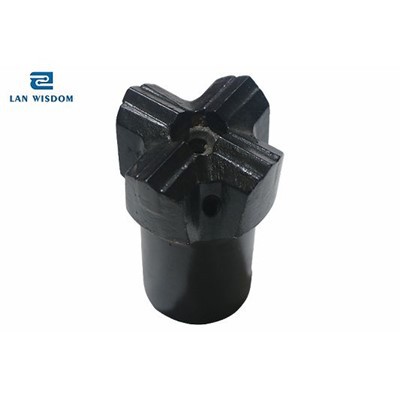
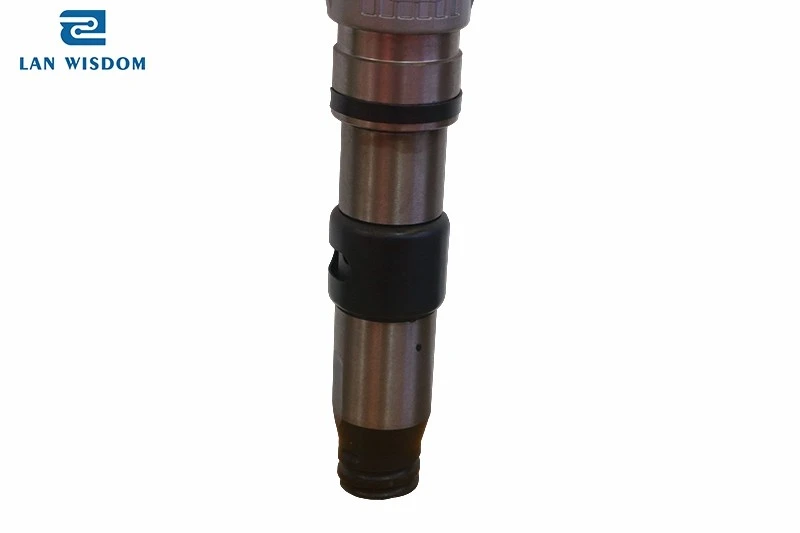
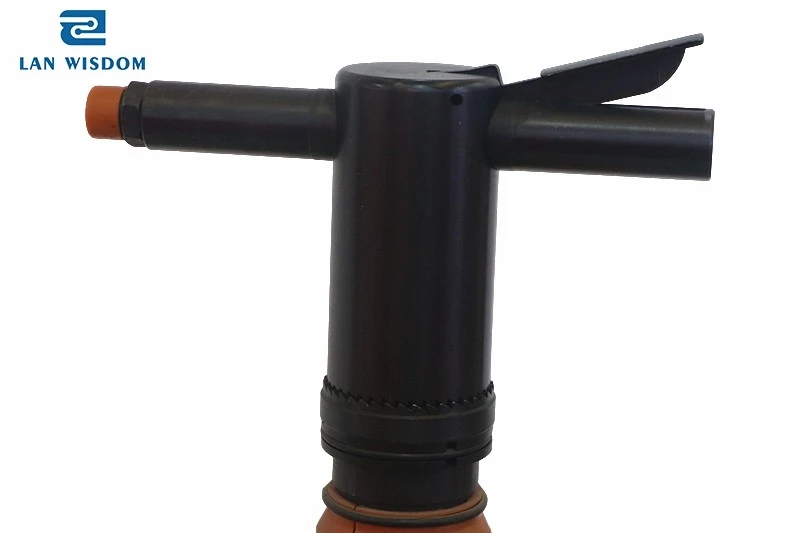
First off, let's understand what an air pick is. For those who might not know, an air pick is a pneumatic tool that uses compressed air to power a reciprocating piston. This piston drives a chisel or other attachment, which is used for tasks like chipping, breaking, or removing materials. We offer a range of air picks, including the G10 Air Pick, G15 Air Pick, and G20 Air Pick. Each of these models is designed to handle different types of jobs, from light - duty work to heavy - duty industrial applications.
Now, back to the main question: does an air pick need lubrication? The short answer is yes, in most cases. Lubrication plays a crucial role in the proper functioning and longevity of an air pick.
Why Lubrication is Important
- Reduces Friction: Inside an air pick, there are moving parts like pistons, bearings, and valves. When these parts move against each other, friction is generated. Friction can cause wear and tear on the components, leading to premature failure. Lubricant creates a thin film between the moving parts, reducing the friction and ensuring smooth operation. For example, if you've ever used an air pick without lubrication, you might notice that it starts to make a louder, harsher noise over time. This is a sign that the friction is increasing and the parts are wearing out faster.
- Prevents Rust and Corrosion: Compressed air can sometimes contain moisture. When this moist air enters the air pick, it can cause rust and corrosion on the internal metal parts. Lubricant acts as a barrier, protecting the metal from the moisture and preventing corrosion. This is especially important if you're using the air pick in a humid environment or if your air compressor doesn't have a good moisture - separation system.
- Seals and Protects: A good lubricant can also help to seal any small gaps or spaces inside the air pick. This not only helps to keep out dirt and debris but also ensures that the compressed air is used efficiently. If the air can leak out through small gaps, the air pick won't perform at its best.
How to Lubricate an Air Pick
Lubricating an air pick is a relatively simple process, but it's important to do it correctly.
- Choose the Right Lubricant: You need to use a lubricant specifically designed for pneumatic tools. These lubricants are usually lightweight and have good anti - rust and anti - wear properties. Avoid using heavy oils or greases, as they can clog the small passages inside the air pick.
- Prepare the Lubricant: Some air picks come with a built - in lubricator. If that's the case, you simply need to fill the lubricator with the appropriate amount of lubricant as specified in the user manual. If your air pick doesn't have a built - in lubricator, you can add a few drops of lubricant directly into the air inlet of the tool.
- Lubrication Frequency: The frequency of lubrication depends on how often you use the air pick. For light - duty use, lubricating once a day or after every few hours of operation might be sufficient. However, for heavy - duty, continuous use, you might need to lubricate the air pick every hour or so.
Exceptions to the Rule
There are some air picks on the market that are advertised as "oil - free" or "lubrication - free." These air picks are designed with special materials and coatings that reduce friction and prevent wear without the need for external lubrication. But even these air picks have their limitations. Over time, the coatings can wear off, and they might still benefit from occasional lubrication to ensure optimal performance.
Benefits of Proper Lubrication for Your Business
If you're a business that uses air picks in your operations, proper lubrication can save you a lot of money in the long run.
- Lower Maintenance Costs: By reducing wear and tear on the air pick's components, lubrication can extend the lifespan of the tool. This means you won't have to replace parts as often, and you'll save on repair costs.
- Increased Productivity: A well - lubricated air pick performs better. It has more power, and it operates smoothly, allowing your workers to complete tasks more quickly and efficiently. This can lead to increased productivity and higher profits for your business.
Conclusion
In conclusion, while there might be some exceptions, in general, an air pick does require lubrication. Whether you're using a G10 Air Pick for light - duty jobs or a G20 Air Pick for heavy - duty applications, lubrication is essential for keeping your tool in top condition.
If you're in the market for high - quality air picks or have any questions about air pick lubrication, don't hesitate to reach out. We're here to help you make the best choice for your needs and ensure that your air picks perform at their best for years to come. Let's start a conversation about your procurement needs and see how we can work together!
References
- Pneumatic Tool Handbook: A guide to the operation, maintenance, and safety of pneumatic tools.
- Manufacturer's manuals for G10, G15, and G20 air picks.