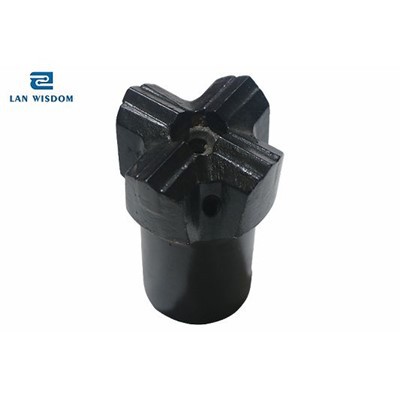
Hey there! As a button bit supplier, I've seen firsthand how crucial it is to pick the right button bit for your drilling needs. In this blog, I'm gonna share some tips and factors to consider when making this important decision.
Understanding Button Bits
First off, let's talk a bit about what button bits are. Button bits are widely used in rock drilling operations. They are designed with small, round buttons on the bit face, which help to break up the rock more efficiently. Compared to other types of bits like the Chisel Bit, button bits offer better penetration rates and longer service life in many rock conditions.


Rock Type
One of the most important factors to consider when choosing a button bit is the type of rock you'll be drilling into. Different rocks have different hardness, abrasiveness, and brittleness, and these properties will greatly affect the performance of the bit.
- Soft Rocks: For soft rocks like limestone or sandstone, you can go for button bits with a larger button size. Larger buttons can provide more surface area for breaking the rock, and they are less likely to wear out quickly in softer materials. A bit with a lower button density might also work well here, as the rock is easier to break.
- Hard Rocks: When dealing with hard rocks such as granite or basalt, you need a button bit with smaller buttons and a higher button density. Smaller buttons can concentrate the drilling force on a smaller area, making it easier to break through the tough rock. Also, a high - quality tungsten carbide button material is essential for better wear resistance in hard rock drilling.
Hole Size and Depth
The size and depth of the hole you need to drill also play a significant role in button bit selection.
- Hole Size: Generally, larger hole sizes require button bits with a larger diameter. This ensures that the bit can cover the entire cross - section of the hole and drill efficiently. However, keep in mind that larger bits may also require more drilling power.
- Hole Depth: For shallow holes, you have more flexibility in bit selection. But for deep holes, you need a button bit that can maintain its performance over a long period. Bits with good flushing capabilities are crucial in deep hole drilling to remove the cuttings and prevent overheating.
Drilling Equipment
The type of drilling equipment you're using is another key factor. Different drilling machines have different power outputs, rotation speeds, and feed rates, and the button bit you choose should be compatible with these parameters.
- Pneumatic Drills: Pneumatic drills are commonly used in many mining and construction sites. They usually have a relatively lower power output compared to hydraulic drills. For pneumatic drills, you need a button bit that can work well with the limited air pressure and flow. A bit with a simple design and fewer buttons might be a good choice, as it requires less energy to operate.
- Hydraulic Drills: Hydraulic drills offer more power and precision. They can handle more complex button bit designs with higher button densities. If you're using a hydraulic drill, you can choose a button bit that is optimized for high - speed and high - pressure drilling.
Application
The specific application of the drilling also affects bit selection.
- Surface Drilling: In surface drilling, such as in quarrying or construction projects, the button bit needs to be able to handle the variable rock conditions on the surface. Bits with good shock resistance are preferred, as they can withstand the vibrations and impacts during the drilling process.
- Underground Drilling: Underground drilling has its own challenges, such as limited space and poor ventilation. Button bits for underground drilling should be designed to be compact and efficient. They also need to have good dust control features to protect the workers' health.
Quality and Brand
It's always a good idea to choose a high - quality button bit from a reputable brand. A well - made bit will not only perform better but also last longer, saving you money in the long run. Look for brands that have a good track record in the industry and offer reliable customer support. Our company, as a button bit supplier, takes pride in providing high - quality Button Bit products that are designed to meet the diverse needs of our customers.
Cost
Cost is, of course, a consideration for most buyers. While it might be tempting to go for the cheapest option, remember that a low - cost bit may not offer the best performance or durability. You need to find a balance between cost and quality. Sometimes, investing a little more in a high - quality button bit can actually save you money on replacement costs and downtime in the long term.
Maintenance and Sharpening
Finally, think about the maintenance and sharpening requirements of the button bit. Some bits are easier to sharpen than others, and this can be an important factor, especially if you plan to reuse the bit multiple times. Make sure you have access to the necessary tools and expertise for bit maintenance.
In conclusion, choosing the right button bit involves considering multiple factors such as rock type, hole size and depth, drilling equipment, application, quality, cost, and maintenance. By taking the time to evaluate these factors, you can ensure that you select a button bit that will provide optimal performance and value for your drilling project.
If you're in the market for a button bit and need more advice or want to discuss your specific requirements, don't hesitate to reach out. We're here to help you make the best choice for your drilling needs. Whether you're a small - scale contractor or a large - scale mining company, we have the right Button Bit for you. Let's work together to get your drilling project done efficiently and effectively!
References
- "Rock Drilling Handbook" - A comprehensive guide on rock drilling techniques and bit selection.
- Industry reports on rock drilling equipment and bit performance.