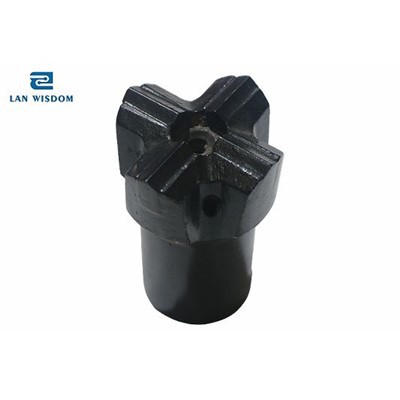
Hey there! I'm a supplier of Chisel Bits, and I often get asked about how to perform conditional assignment on Chisel Bits. So, I thought I'd write this blog to share some insights on this topic.
First off, let's talk a bit about what Chisel Bits are. A Chisel Bit is a key tool in rock - drilling. It's designed to break through hard rocks efficiently. In different rock - drilling scenarios, the performance requirements of Chisel Bits can vary a lot, and that's where conditional assignment comes in handy.
What is Conditional Assignment?
Conditional assignment is all about making decisions based on certain conditions when assigning values or behaviors to your Chisel Bits. Think of it like choosing the right tool for the job. If you're dealing with soft rock, you might want to assign a certain type of movement or pressure to the Chisel Bit. But if it's hard - core, granite - like rock, you'll need to change things up.
Let's take a simple example. Say we have two types of rock: soft limestone and hard basalt. When drilling through limestone, a lighter and quicker - paced drilling action might be more effective. We can set up a conditional assignment where if our rock - detection sensor indicates that we're dealing with limestone, the Chisel Bit is assigned to operate at a lower pressure and higher speed. On the other hand, if the sensor shows basalt, we assign a higher pressure and slower speed to the bit.
Implementing Conditional Assignment
Using Sensor Data
The first step in implementing conditional assignment is getting reliable sensor data. We can use sensors to measure things like rock hardness, density, and even the presence of certain minerals. For example, a piezoelectric sensor can be used to measure the force exerted on the Chisel Bit as it drills. If this force is relatively low and stable, it might indicate soft rock.
Once we have the sensor data, we can use a simple if - else logic in our control system. In a programming language like Python (which can be used to control automated drilling systems), it could look something like this:
rock_hardness = sensor.read_hardness()
if rock_hardness < 5:  # Assuming 5 is a threshold for soft rock
    chisel_bit.set_pressure(10)  # Lower pressure
    chisel_bit.set_speed(200)    # Higher speed
else:
    chisel_bit.set_pressure(30)  # Higher pressure
    chisel_bit.set_speed(50)     # Lower speed
Considering Drill Depth
Another factor for conditional assignment is the drill depth. As we drill deeper, the rock conditions can change. Near the surface, the rock might be weathered and softer, but as we go deeper, it can get harder. We can set up a conditional assignment based on the drill depth. For instance, if the drill depth is less than 10 meters, we assign a different set of parameters to the Chisel Bit compared to when the depth is more than 10 meters.
Comparing with Other Drill Bits
It's also interesting to compare how conditional assignment works with Chisel Bits versus other types of drill bits, like the Steel Drill Rod and X Drill Bit.
Steel Drill Rods are more about providing a stable structure for the drilling process. Conditional assignment for them might focus more on things like rod length and connection strength based on the depth and type of rock. For example, in deeper and harder rock drilling, longer and more robust steel drill rods might be assigned.
X Drill Bits, on the other hand, are designed for more precise and efficient drilling in certain types of rock. Conditional assignment for X Drill Bits could involve adjusting the bit's rotation pattern and the amount of coolant used based on the rock's abrasiveness.
In contrast, Chisel Bits are great for breaking up large chunks of rock. Conditional assignment for them is centered around adjusting the impact force and the frequency of impacts to match the rock's hardness and structure.
Benefits of Conditional Assignment on Chisel Bits
There are several benefits of using conditional assignment on Chisel Bits. Firstly, it improves the drilling efficiency. By adjusting the bit's parameters according to the rock conditions, we can drill faster and with less energy consumption. For example, using the right pressure and speed can prevent the bit from getting stuck or wearing out too quickly.
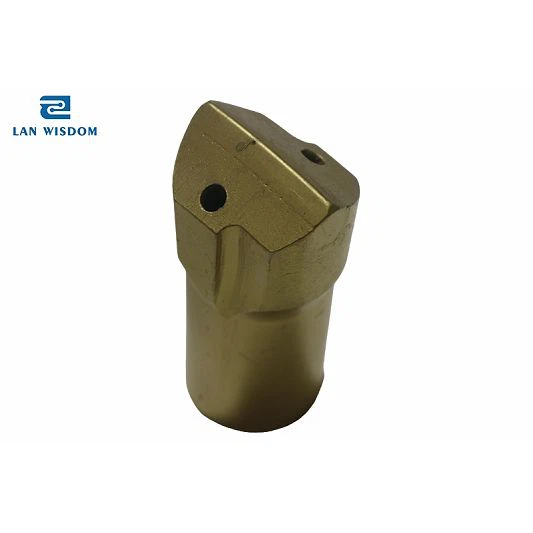
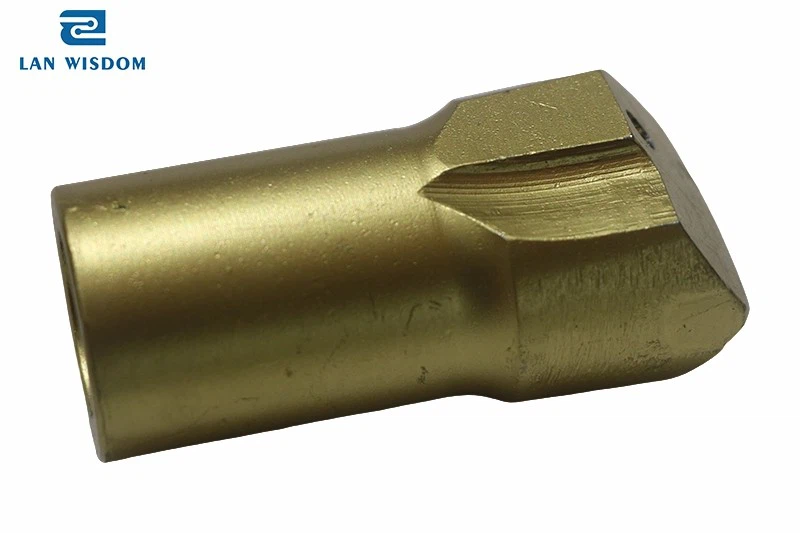
Secondly, it extends the lifespan of the Chisel Bit. When the bit is operating under optimal conditions, there's less stress on its components, which means it can be used for a longer time before needing replacement.
Finally, it enhances the overall quality of the drilling process. We can achieve more accurate and consistent drilling results, which is crucial in applications like mining and construction.
Contact for Purchase and Discussion
If you're in the market for high - quality Chisel Bits or want to discuss more about conditional assignment and how it can be optimized for your specific drilling needs, don't hesitate to reach out. We're here to help you make the most of your drilling operations and ensure you get the best results with our Chisel Bits.
References
- Rock Drilling Handbook, 2020 Edition
- Journal of Drilling Technology, Vol. 15, Issue 3
- Drilling Equipment and Techniques: A Comprehensive Guide, 2019