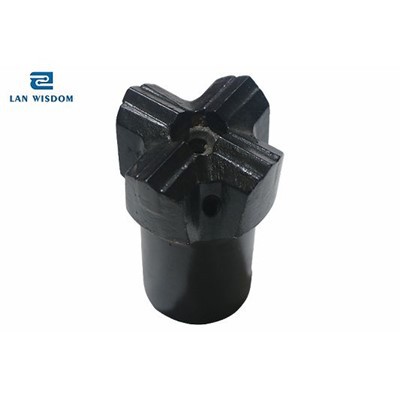
Hey there, folks! As a supplier of Cross Drill Bits, I've seen a fair share of issues that users face, and one of the most common ones is the noise generated when using these bits. It's not just an annoyance; excessive noise can also be a sign of inefficiency and potential wear and tear on the equipment. So, today, I'm going to share some tips on how to reduce noise when using a Cross Drill Bit.
First off, let's understand why Cross Drill Bits make noise in the first place. When a Cross Drill Bit is in operation, it's cutting through hard materials like rock or concrete. The friction between the bit and the material, along with the impact forces, creates vibrations. These vibrations then travel through the drill rod and the equipment, producing that loud noise we all dread.
1. Choose the Right Bit
The type and quality of the Cross Drill Bit you use can have a significant impact on the noise level. A dull or worn - out bit will require more force to cut through the material, which in turn increases the vibrations and noise. Make sure to select a high - quality Cross Drill Bit that is appropriate for the material you're drilling. For example, if you're drilling through soft rock, a bit with a different tooth configuration might be more suitable than one for hard granite.
Also, consider the size of the bit. Using a bit that is too large or too small for the job can lead to inefficient drilling and more noise. A bit that is too large will require more power to turn, while a bit that is too small may not be able to cut through the material effectively, causing it to bounce around and create more noise.
2. Check the Drill Rod
The drill rod plays a crucial role in the drilling process, and it can also affect the noise level. A bent or damaged Steel Drill Rod can cause the bit to vibrate unevenly, leading to increased noise. Regularly inspect your drill rods for any signs of damage, such as bends, cracks, or excessive wear. If you find a damaged rod, replace it immediately.
Another thing to consider is the connection between the drill rod and the bit. A loose connection can cause the bit to wobble, creating more noise. Make sure the rod is properly tightened to the bit before starting the drilling operation.


3. Adjust the Drilling Parameters
The speed and pressure at which you drill can have a big impact on the noise level. Drilling too fast can cause the bit to overheat and create more friction, resulting in louder noise. On the other hand, drilling too slowly may not allow the bit to cut through the material efficiently, also leading to increased vibrations and noise.
Experiment with different drilling speeds and pressures to find the optimal settings for your specific job. In general, it's better to start with a lower speed and gradually increase it as the bit cuts deeper into the material. Also, apply a consistent and appropriate amount of pressure. Too much pressure can cause the bit to bind, while too little pressure may not allow the bit to cut effectively.
4. Use Shock Absorbers
Shock absorbers can be a great way to reduce the vibrations and noise generated during drilling. These devices are designed to absorb the impact forces produced by the bit, preventing them from traveling through the drill rod and the equipment. There are various types of shock absorbers available on the market, so choose one that is compatible with your drilling equipment.
Install the shock absorber between the drill rod and the equipment. Make sure it is properly aligned and tightened. A well - installed shock absorber can significantly reduce the noise level and also extend the lifespan of your drilling equipment.
5. Lubrication
Lubrication is often overlooked, but it can make a big difference in reducing noise. Applying a suitable lubricant to the bit and the material being drilled can reduce friction, which in turn reduces vibrations and noise. There are different types of lubricants available, such as water - based and oil - based lubricants.
For most drilling applications, water is a simple and effective lubricant. You can use a water - delivery system to continuously supply water to the drilling area. The water not only reduces friction but also helps to cool the bit, preventing it from overheating.
6. Consider Alternative Bits
If you're still having trouble with noise, you might want to consider using alternative bits. Button Bit is one option. Button bits are designed to distribute the cutting forces more evenly, which can result in less vibration and noise compared to cross drill bits.
However, keep in mind that button bits may not be suitable for all applications. They are typically more expensive than cross drill bits, and they may not perform as well in certain types of materials. So, do your research and consult with a professional before making the switch.
7. Maintenance and Upkeep
Regular maintenance of your drilling equipment is essential for reducing noise. Clean the bit and the drill rod after each use to remove any debris or buildup. This will ensure that the bit operates smoothly and reduces the chances of excessive noise.
Also, check the bearings, seals, and other moving parts of your drilling equipment regularly. Worn - out bearings or seals can cause the equipment to vibrate more, leading to increased noise. Replace any damaged parts as soon as possible.
In conclusion, reducing noise when using a Cross Drill Bit is all about choosing the right equipment, using it correctly, and maintaining it properly. By following these tips, you can not only reduce the noise level but also improve the efficiency and lifespan of your drilling equipment.
If you're in the market for high - quality Cross Drill Bits or other rock - drilling tools, don't hesitate to reach out. We're here to help you find the right products for your needs and provide you with the support you deserve. Whether you're a professional contractor or a DIY enthusiast, we've got you covered. Let's start a conversation and see how we can work together to make your drilling projects more successful and less noisy!
References
- "Rock Drilling Handbook" - A comprehensive guide on rock - drilling techniques and equipment.
- Industry research papers on the impact of drilling parameters on noise levels.
- Manufacturer's manuals for Cross Drill Bits and related equipment.