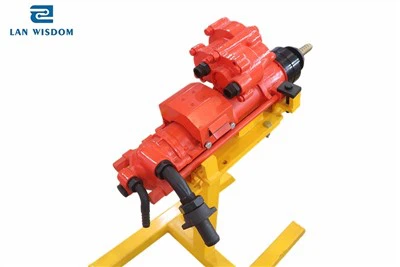
Testing a module that uses Chisel Bits can be a bit of a head - scratcher, but don't worry! As a Chisel Bit supplier, I've got some insights that I'm eager to share with you.
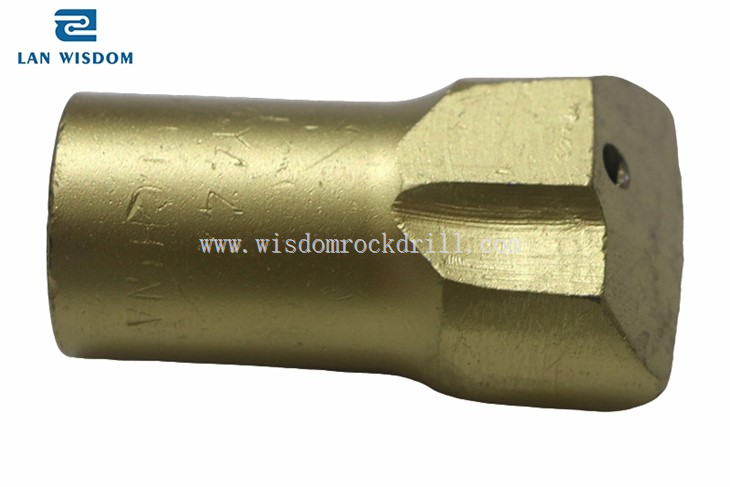
First off, let's understand what Chisel Bits are. Chisel Bits are essential tools in the rock - drilling industry. They're used to break through tough rock formations, making them a key component in various mining and construction projects. You can check out more about Chisel Bit on our website.
When it comes to testing a module that uses Chisel Bits, we need to follow a systematic approach. The first step is to understand the requirements of the module. What are the performance criteria that the module needs to meet? This could include things like the drilling speed, the depth of penetration, and the durability of the Chisel Bit during operation.

Understanding the Module's Functionality
Before we start testing, we have to have a clear picture of how the module works. The module might be part of a larger drilling system, and it's crucial to know how it interacts with other components. For example, if the module is responsible for controlling the rotation speed of the drill, we need to know how this speed affects the performance of the Chisel Bit.
We also need to consider the environmental conditions in which the module will operate. Different rock types have different hardness levels, and this can significantly impact the performance of the Chisel Bit. For instance, drilling through granite is a lot different from drilling through limestone. So, we need to simulate these different conditions during testing.
Setting Up the Test Environment
Once we understand the module's functionality, it's time to set up the test environment. This involves creating a mock - up of the real - world drilling scenario as closely as possible. We can use test rigs that are designed to mimic the actual drilling process. These rigs can be adjusted to simulate different drilling depths, pressures, and rotation speeds.
When setting up the test environment, we should also consider the safety aspects. Drilling operations can be dangerous, so we need to ensure that all safety protocols are in place. This includes wearing appropriate protective gear and having emergency response plans in case something goes wrong.
Selecting the Right Chisel Bit
The choice of Chisel Bit is crucial for the success of the testing. Different Chisel Bits are designed for different applications. For example, X Drill Bit is known for its high - performance in hard rock formations, while other types might be better suited for softer rocks.
We need to select the Chisel Bit based on the requirements of the module and the type of rock we're simulating in the test. It's also important to consider the quality of the Chisel Bit. A high - quality Chisel Bit will not only perform better but also last longer, reducing the overall cost of the project.
Conducting the Tests
Now that we've set up the test environment and selected the right Chisel Bit, it's time to start the tests. We can start by running some basic tests to check the functionality of the module. This could include testing the rotation speed, the feed rate, and the torque of the drill.
During the tests, we need to collect data on various parameters. This data will help us evaluate the performance of the module and the Chisel Bit. We can use sensors to measure things like the temperature of the Chisel Bit, the vibration levels, and the power consumption of the module.
Analyzing the Test Results
Once the tests are complete, we need to analyze the results. We can compare the actual performance of the module and the Chisel Bit with the expected performance. If there are any discrepancies, we need to identify the root cause. This could be due to a problem with the module itself, the Chisel Bit, or the test environment.
We can use statistical analysis tools to make sense of the data. For example, we can calculate the average drilling speed, the standard deviation of the vibration levels, and the correlation between different parameters. This analysis will help us make informed decisions about the performance of the module and the Chisel Bit.
Iterative Testing
Testing is not a one - time thing. We often need to conduct multiple rounds of testing to optimize the performance of the module and the Chisel Bit. Based on the analysis of the test results, we can make adjustments to the module or the Chisel Bit. For example, we might change the design of the Chisel Bit to improve its cutting efficiency or adjust the settings of the module to increase the drilling speed.
Importance of Testing
Testing a module that uses Chisel Bits is not just about ensuring that it works. It's also about improving the overall efficiency and safety of the drilling process. By testing, we can identify potential problems before they cause major issues on the job site. This can save a lot of time and money in the long run.
Conclusion
In conclusion, testing a module that uses Chisel Bits is a complex but essential process. By following a systematic approach, we can ensure that the module and the Chisel Bit perform as expected. If you're in the market for high - quality Chisel Bits or need more information about testing modules, don't hesitate to reach out. We're here to help you make the best decisions for your drilling projects. Whether you need X Drill Bit for hard rock or Steel Drill Rod for more general applications, we've got you covered. Contact us today to start a discussion about your specific needs and how we can assist you in achieving your drilling goals.
References
- Industry standards for rock - drilling tools
- Technical manuals of Chisel Bit manufacturers
- Research papers on drilling performance and testing methods