Transporting steel drill rods safely is a critical aspect of the operations for a steel drill rod supplier like us. Steel drill rods are essential tools in various industries such as mining, construction, and geotechnical engineering. Ensuring their safe transportation not only protects the product but also guarantees the safety of the people involved in the process.
Understanding the Nature of Steel Drill Rods
Steel drill rods are typically made of high - strength steel, which gives them the durability required for drilling through hard materials. However, their long and slender shape makes them vulnerable to damage during transportation. They can be bent, scratched, or even broken if not handled properly.
The weight of steel drill rods also varies depending on their length and diameter. Longer and thicker rods are heavier, which requires more robust transportation methods. For example, a standard 3 - meter long drill rod with a diameter of 32mm can weigh around 15 - 20 kilograms. When transporting a large quantity of these rods, the total weight can be substantial, and this needs to be factored into the transportation plan.


Pre - transport Preparation
Before transporting steel drill rods, a thorough inspection is necessary. Check for any signs of damage such as cracks, dents, or corrosion. If any damaged rods are found, they should be set aside and either repaired or discarded. This not only ensures the quality of the product being delivered but also prevents potential hazards during transportation.
Proper packaging is also crucial. Steel drill rods should be bundled together securely. Using steel bands or ropes, the rods can be tied in groups. This prevents them from shifting during transit, which could lead to damage. Additionally, protective covers can be used to prevent scratches and corrosion. For example, plastic sleeves can be placed over the rods to provide an extra layer of protection.
Choosing the Right Transportation Method
There are several transportation methods available for steel drill rods, and the choice depends on various factors such as the quantity of rods, the distance of transportation, and the urgency of delivery.
Road Transport
Road transport is one of the most common methods for transporting steel drill rods. Trucks are a popular choice as they offer flexibility in terms of pick - up and delivery locations. When using trucks, it is important to ensure that the vehicle is properly equipped to handle the weight and size of the drill rods. The truck bed should be flat and clean to prevent any damage to the rods. Securing the rods on the truck is also essential. Using straps or chains, the bundles of drill rods should be firmly attached to the truck to prevent them from moving during transit.
Rail Transport
For long - distance transportation, rail transport can be a more cost - effective option. Trains can carry a large quantity of steel drill rods at once. However, special care needs to be taken when loading and unloading the rods from the train cars. The rods should be loaded in an orderly manner to ensure stability during the journey. Rail transport also requires proper documentation and coordination with the railway authorities.
Sea Transport
If the destination is overseas, sea transport may be the best option. Shipping containers are commonly used to transport steel drill rods. The rods should be packed tightly in the containers to prevent movement. It is also important to label the containers clearly with information such as the quantity, size, and destination of the drill rods.
Safety Measures during Transportation
During transportation, several safety measures should be implemented to protect the steel drill rods and the people involved.
Securing the Load
As mentioned earlier, securing the load is of utmost importance. Whether using trucks, trains, or ships, the drill rods should be firmly attached to prevent them from shifting. This not only protects the rods but also reduces the risk of accidents. For example, if the rods shift during transit, they could fall off the vehicle or cause the vehicle to become unbalanced.
Weather Protection
Steel drill rods are susceptible to corrosion, especially when exposed to moisture. During transportation, it is important to protect the rods from rain, snow, and humidity. When using open - top trucks, tarps can be used to cover the rods. In the case of shipping containers, they should be properly sealed to prevent water from entering.
Monitoring the Transportation
Regular monitoring of the transportation process is necessary. This can be done through GPS tracking systems, which allow the supplier to keep track of the location and condition of the drill rods. In case of any issues such as delays or damage, immediate action can be taken.
Handling at the Destination
Once the steel drill rods reach their destination, proper handling is still required. Unloading should be done carefully to avoid damage. Using appropriate equipment such as cranes or forklifts, the rods should be lifted and moved to their storage location.
The storage area should be dry, clean, and well - ventilated. The rods should be stored in an organized manner, preferably on racks to prevent them from being damaged by other objects. Regular inspections should also be carried out during storage to ensure the quality of the drill rods.
Related Products
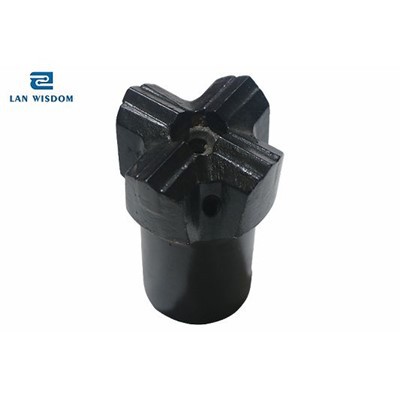
In addition to Steel Drill Rod, we also offer other rock - drilling tools such as Cross Drill Bit and Button Bit. These products are designed to work in conjunction with steel drill rods to provide efficient and effective drilling solutions.
Contact for Procurement
If you are interested in purchasing steel drill rods or any of our other rock - drilling tools, we encourage you to contact us for a detailed discussion. We are committed to providing high - quality products and excellent customer service. Whether you are a small - scale contractor or a large - scale mining company, we have the products and expertise to meet your needs.
References
- Smith, J. (2018). Best Practices in Steel Product Transportation. Journal of Industrial Logistics, 25(3), 123 - 135.
- Brown, A. (2019). Safety Considerations in the Transportation of Heavy Machinery and Tools. International Journal of Safety Engineering, 18(2), 89 - 98.