Hey there! As a supplier of Steel Drill Rod, I often get asked about the maximum drilling depth of these rods. It's a super important question, especially for those in the mining, construction, and geotechnical industries. So, let's dive right into it and break down what affects the maximum drilling depth of a steel drill rod.
Factors Affecting the Maximum Drilling Depth
1. Rod Material and Quality
The material of the steel drill rod plays a huge role in determining how deep it can go. High - quality alloy steels are commonly used because they offer better strength, toughness, and resistance to wear and fatigue. For instance, if you're using a low - grade steel, it might start to deform or break under high stress, which can limit your drilling depth. In contrast, a well - made alloy steel rod can withstand the intense pressures and vibrations that come with deep drilling, allowing you to reach greater depths.
2. Diameter of the Drill Rod
The diameter of the drill rod also matters. Generally, larger - diameter drill rods are more rigid and can handle more torque. This means they're less likely to bend or twist during the drilling process, which is crucial for maintaining a straight borehole at greater depths. However, larger rods also require more power to operate, and they can be more expensive. So, it's all about finding the right balance between the diameter of the rod and the drilling equipment you're using.
3. Drilling Method
There are different drilling methods out there, such as rotary drilling, percussion drilling, and diamond core drilling. Each method has its own set of limitations and advantages when it comes to drilling depth. Rotary drilling, for example, is great for soft to medium - hard rocks and can achieve relatively deep depths, but it might struggle in extremely hard or abrasive formations. Percussion drilling is more effective in hard rocks, but the energy transfer can become less efficient at greater depths. Diamond core drilling is often used for precise sampling and can reach very deep depths, but it's a slower and more expensive process.
4. Rock Formation
The type of rock you're drilling through is a major factor. Soft rocks like limestone or sandstone are much easier to drill through compared to hard rocks like granite or basalt. In hard rocks, the drill bit and rod are subjected to more wear and tear, which can reduce their lifespan and limit the drilling depth. Additionally, rocks with high abrasiveness can quickly wear down the drill bit, making it difficult to maintain a good drilling rate and reach greater depths.
Real - World Examples of Maximum Drilling Depths
In the mining industry, drill rods are often used to explore for minerals deep underground. In some cases, drillers have managed to reach depths of over 3,000 meters. These deep - drilling operations require high - quality drill rods, advanced drilling equipment, and experienced operators.


In the geotechnical field, where engineers are studying the properties of the soil and rock beneath the surface, drilling depths can vary widely. For shallow investigations, depths of a few meters might be sufficient. But for large - scale infrastructure projects like bridges or high - rise buildings, drill rods may be used to reach depths of 50 to 100 meters or more to provide a solid foundation design.
The Role of Drill Bits
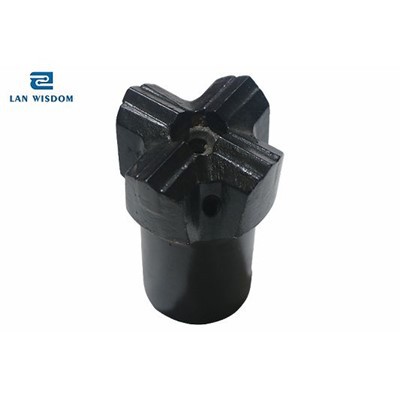
Drill bits are just as important as drill rods when it comes to achieving maximum drilling depth. Button Bit and Chisel Bit are two common types of drill bits. Button bits are designed for high - speed drilling in hard rocks. They have tungsten carbide buttons that can break through the rock effectively. Chisel bits, on the other hand, are better suited for softer rocks and can provide a clean cut.
Choosing the right drill bit for the job is crucial. If you're using the wrong type of bit, it won't be able to penetrate the rock efficiently, and this can slow down the drilling process or even prevent you from reaching your desired depth.
Maintenance and Care of Drill Rods
To ensure that your drill rods can reach their maximum drilling depth, proper maintenance and care are essential. Regularly inspect the rods for signs of wear, such as cracks, bends, or excessive wear on the threads. Cleaning the rods after each use can help prevent the build - up of dirt and debris, which can cause corrosion and reduce the lifespan of the rod.
Store the rods in a dry and clean environment to prevent rusting. If you're transporting the rods, make sure they're properly secured to prevent damage during transit.
How Our Steel Drill Rods Can Help
As a supplier, we offer high - quality steel drill rods that are designed to meet the needs of various drilling applications. Our rods are made from premium alloy steels, which provide excellent strength and durability. We also offer a range of diameters to suit different drilling requirements.
Whether you're working on a small - scale construction project or a large - scale mining operation, our drill rods can help you achieve greater drilling depths. And if you're not sure which type of drill rod or bit is right for your job, our team of experts is here to help. We can provide you with advice on the best products for your specific needs.
Conclusion and Call to Action
So, there you have it! The maximum drilling depth of a steel drill rod depends on a variety of factors, from the material of the rod to the type of rock you're drilling through. By choosing high - quality drill rods, the right drill bits, and following proper maintenance procedures, you can maximize your drilling depth and get the job done more efficiently.
If you're interested in purchasing our steel drill rods or need more information about our products, don't hesitate to reach out. We're always ready to have a chat and help you find the best solutions for your drilling needs. Let's work together to make your drilling projects a success!
References
- "Drilling Engineering Handbook" by John W. Miska
- "Rock Mechanics for Underground Mining" by E. T. Brown and E. Hoek