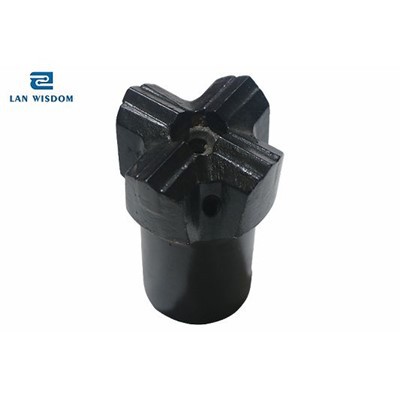
In the realm of construction and mining, the question of whether a pneumatic drill can be used for rock drilling is a topic of significant interest. As a supplier of pneumatic drills, I've encountered this query numerous times from clients across various industries. In this blog, I'll delve into the capabilities of pneumatic drills for rock drilling, exploring their advantages, limitations, and the types of pneumatic drills suitable for such tasks.
Understanding Pneumatic Drills
Pneumatic drills, also known as air drills, are power tools that use compressed air to generate rotational force. They are widely used in industries such as manufacturing, construction, and mining due to their reliability, efficiency, and relatively low cost. Pneumatic drills come in various types and sizes, each designed for specific applications. Some common types include straight air drills, pistol - grip air drills, and rotary air drills.
Advantages of Using Pneumatic Drills for Rock Drilling
Power and Efficiency
Pneumatic drills can deliver high torque and rotational speed, making them suitable for drilling through hard materials like rock. The compressed air provides a consistent power source, allowing for continuous and efficient drilling. This is particularly beneficial when dealing with large - scale rock drilling projects, as it can significantly reduce the time and effort required.
Durability
These drills are built to withstand harsh working conditions. The components of pneumatic drills are often made from high - quality materials such as steel and aluminum, which can resist wear and tear. In rock drilling environments where there is a lot of dust, debris, and vibration, pneumatic drills can maintain their performance over an extended period.
Safety
Compared to electric drills, pneumatic drills are generally considered safer to use in certain situations. Since they do not rely on electricity, there is no risk of electric shock. This is especially important in wet or dusty environments, which are common in rock drilling sites.
Limitations of Pneumatic Drills for Rock Drilling
Air Supply Requirements
Pneumatic drills require a reliable and adequate supply of compressed air. This means that a compressor must be available on - site. The compressor needs to be properly sized to meet the air consumption requirements of the drill. If the air supply is insufficient, the drill's performance will be affected, resulting in slower drilling speeds and reduced efficiency.
Noise and Vibration
Rock drilling with pneumatic drills can generate a significant amount of noise and vibration. Prolonged exposure to high - level noise can cause hearing damage, and excessive vibration can lead to hand - arm vibration syndrome (HAVS) in operators. Therefore, appropriate personal protective equipment (PPE) such as earplugs and anti - vibration gloves must be worn.
Limited Depth and Hole Size
In some cases, pneumatic drills may have limitations in terms of the depth and size of the holes they can drill. For very deep or large - diameter holes, other types of drilling equipment may be more suitable.
Suitable Pneumatic Drills for Rock Drilling
8mm Straight Air Drill
The 8mm Straight Air Drill is a versatile tool that can be used for light - to - medium - duty rock drilling. Its straight design allows for precise drilling in tight spaces. The 8mm chuck size is suitable for using a variety of drill bits, providing flexibility in different rock drilling applications.
#2 MT Drive Rotary Air Drill
The #2 MT Drive Rotary Air Drill is a more powerful option for rock drilling. It features a #2 Morse taper drive, which provides a secure connection between the drill and the drill bit. This drill can generate higher torque, making it suitable for drilling through harder rocks and larger - diameter holes.
8mm Pistol - Grip Air Drill
The 8mm Pistol - Grip Air Drill offers ergonomic advantages. The pistol - grip design allows for better control and handling, especially when drilling at different angles. It is a popular choice for operators who need to perform rock drilling in various positions.
Factors to Consider When Using Pneumatic Drills for Rock Drilling
Drill Bit Selection
Choosing the right drill bit is crucial for successful rock drilling. Different types of rock require different drill bit materials and designs. For example, carbide - tipped drill bits are often used for drilling through hard rocks, as they can withstand the high pressure and abrasion.
Compressor Capacity
As mentioned earlier, the compressor capacity must match the air consumption of the drill. A compressor with insufficient capacity will lead to poor drill performance. It is important to consult the drill's specifications to determine the appropriate compressor size.


Operator Training
Proper operator training is essential for safe and efficient rock drilling with pneumatic drills. Operators should be familiar with the drill's operation, maintenance, and safety procedures. They should also know how to select the right drill bit, adjust the air pressure, and handle the drill in different rock conditions.
Conclusion
In conclusion, pneumatic drills can indeed be used for rock drilling, offering several advantages such as power, durability, and safety. However, they also have limitations, including air supply requirements, noise, and vibration. By choosing the right type of pneumatic drill, such as the 8mm Straight Air Drill, #2 MT Drive Rotary Air Drill, or 8mm Pistol - Grip Air Drill, and considering factors like drill bit selection, compressor capacity, and operator training, rock drilling projects can be carried out effectively.
If you are interested in purchasing pneumatic drills for your rock drilling needs, we are here to assist you. Our team of experts can provide you with detailed information about our products, help you select the most suitable drill for your application, and offer guidance on installation, operation, and maintenance. Contact us today to start a discussion about your rock drilling requirements and explore how our pneumatic drills can meet your needs.
References
- "Handbook of Pneumatic Tools", Industrial Press Inc.
- "Rock Drilling Technology", Society for Mining, Metallurgy & Exploration.