

Balancing a pneumatic pick is a crucial aspect that directly impacts its performance, efficiency, and user comfort. As a reputable pneumatic pick supplier, we understand the significance of this process and are committed to providing you with comprehensive insights on how to achieve optimal balance for your pneumatic picks.
Understanding the Importance of Balancing
A well - balanced pneumatic pick offers several advantages. Firstly, it enhances user safety. When a pneumatic pick is unbalanced, it can cause excessive vibrations and unpredictable movements during operation. These vibrations can lead to fatigue, discomfort, and even long - term health issues such as hand - arm vibration syndrome (HAVS) for the operator. By balancing the pneumatic pick, we can significantly reduce these vibrations, making the tool safer and more comfortable to use.
Secondly, a balanced pneumatic pick improves the quality of work. It allows for more precise control, enabling the operator to direct the force of the pick accurately. This is especially important in applications where delicate or detailed work is required, such as in masonry restoration or fine concrete breaking.
Factors Affecting the Balance of a Pneumatic Pick
Several factors can influence the balance of a pneumatic pick. The weight distribution of the tool is a primary factor. The center of gravity of the pneumatic pick should be carefully considered. If the weight is concentrated at one end, it will cause the tool to be top - heavy or bottom - heavy, leading to instability during operation.
The design of the handle also plays a crucial role. A poorly designed handle can make it difficult for the operator to hold the tool in a balanced position. The shape, size, and material of the handle should be ergonomically designed to fit the operator's hand comfortably and allow for a natural grip.
The type and condition of the bit attached to the pneumatic pick can also affect its balance. Different bits have different weights and shapes, which can change the overall weight distribution of the tool. Additionally, a worn - out or damaged bit may cause the pick to vibrate unevenly, further disrupting the balance.

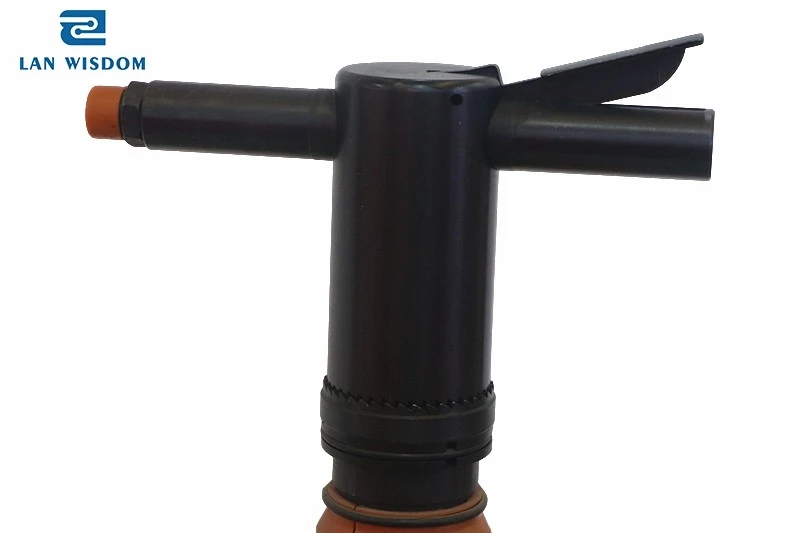
Steps to Balance a Pneumatic Pick
1. Inspect the Tool
Before attempting to balance the pneumatic pick, it is essential to conduct a thorough inspection. Check for any visible signs of damage, such as cracks in the housing, loose parts, or a worn - out handle. A damaged tool may not be able to be balanced effectively and could pose a safety risk.
2. Evaluate the Weight Distribution
To determine the weight distribution of the pneumatic pick, you can use a simple method. Hold the tool at its approximate center of gravity and observe its behavior. If it tilts to one side, it indicates an imbalance. You can also use a scale to measure the weight at different points of the tool.
3. Adjust the Handle
If the handle is causing the imbalance, you may need to make some adjustments. Some pneumatic picks come with adjustable handles that can be moved or re - positioned to change the weight distribution. You can also add padding or grips to the handle to improve the operator's hold and balance.
4. Select the Right Bit
As mentioned earlier, the bit can have a significant impact on the balance of the pneumatic pick. Choose a bit that is appropriate for the task at hand and that has a weight and shape that complements the tool. For example, if you are using a lighter - duty pneumatic pick, a smaller and lighter bit may be more suitable. You can find a wide range of high - quality bits for our G10 Air Pick, G20 Air Pick, and G15 Air Pick that are designed to optimize balance and performance.
5. Use Balancing Aids
In some cases, you may need to use additional balancing aids. These can include counterweights or vibration - dampening materials. Counterweights can be attached to the tool to adjust the center of gravity. Vibration - dampening materials, such as rubber or foam, can be used to reduce the vibrations and improve the overall balance of the tool.
Testing the Balanced Pneumatic Pick
After making the necessary adjustments, it is important to test the pneumatic pick to ensure that it is properly balanced. Start the tool and hold it in a normal operating position. Observe the vibrations and the ease of control. If the tool still vibrates excessively or is difficult to control, you may need to make further adjustments.
It is also a good idea to have the operator test the tool. They can provide valuable feedback on the comfort and balance of the pneumatic pick during actual operation.
Maintenance for Maintaining Balance
Balancing a pneumatic pick is not a one - time task. Regular maintenance is required to ensure that the tool remains balanced over time. Here are some maintenance tips:
1. Clean the Tool Regularly
Dirt, debris, and dust can accumulate on the pneumatic pick, which can affect its weight distribution and balance. Clean the tool after each use using a soft brush and compressed air.
2. Inspect and Replace Worn Parts
Regularly inspect the tool for worn - out parts, such as the handle, bit, or O - rings. Replace any parts that show signs of excessive wear or damage.
3. Lubricate the Moving Parts
Proper lubrication of the moving parts is essential for the smooth operation of the pneumatic pick. It can also help reduce vibrations and maintain the balance of the tool. Follow the manufacturer's recommendations for lubrication intervals and use the appropriate lubricant.
Conclusion
Balancing a pneumatic pick is a complex but essential process that can significantly improve the performance, safety, and user experience of the tool. As a pneumatic pick supplier, we are dedicated to providing you with high - quality tools and the knowledge to ensure their optimal use.
If you are interested in purchasing our pneumatic picks or have any questions about balancing or maintaining them, we encourage you to contact us for a detailed discussion. Our team of experts is ready to assist you in finding the right solution for your specific needs.
References
- "Pneumatic Tools: Principles and Applications" - A comprehensive guide on the operation and maintenance of pneumatic tools.
- "Ergonomics in Tool Design" - Research on the importance of ergonomic design in reducing operator fatigue and improving tool balance.
- Manufacturer's manuals for our G10, G20, and G15 Air Picks, which provide detailed information on the tools' features and maintenance requirements.


