Hey there, fellow archaeology enthusiasts and professionals! I'm an air pick supplier, and I've been getting a lot of questions lately about whether an air pick can be used for archaeological excavation. So, I thought I'd take the time to dive into this topic and share my thoughts.
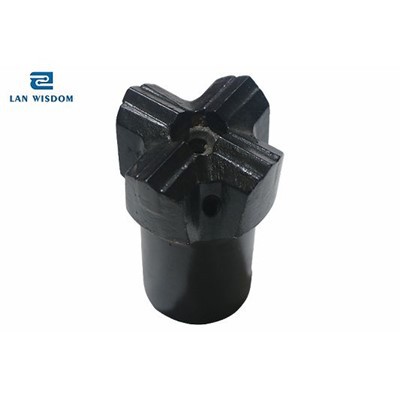
First off, let's talk about what an air pick is. An air pick is a pneumatic tool that uses compressed air to drive a chisel or point at high speed. It's commonly used in construction, mining, and metalworking for tasks like breaking up concrete, removing rust, and shaping metal. But can it be used in the delicate world of archaeology?
The short answer is yes, but with some important caveats. Archaeological excavation is a meticulous process that requires precision and care to preserve the integrity of the artifacts and the surrounding environment. An air pick can be a valuable tool in certain situations, but it's not suitable for every job.
One of the main benefits of using an air pick in archaeology is its power and efficiency. When dealing with hard-packed soil, rock, or concrete, an air pick can quickly break through the surface and expose the underlying layers. This can save a lot of time and effort compared to traditional hand tools like shovels and trowels.


For example, if you're working on a site with a thick layer of volcanic ash or compacted sediment, an air pick can make short work of it. You can use it to clear away the overburden and get to the artifacts more quickly. Just make sure to use a light touch and go slowly to avoid damaging any fragile objects.
Another advantage of an air pick is its versatility. There are different types of air picks available, each with its own unique features and capabilities. For instance, the G15 Air Pick is a lightweight and compact model that's ideal for working in tight spaces. It has a powerful motor and a variety of interchangeable tips, so you can customize it for different tasks.
On the other hand, the G20 Air Pick is a heavy-duty model that's designed for more demanding applications. It has a higher impact force and a longer stroke, which makes it better suited for breaking through tough materials like granite or limestone.
However, it's important to note that an air pick can also be a double-edged sword. The high-speed vibrations and impact force can cause damage to delicate artifacts and the surrounding soil structure. If you're not careful, you could easily break or crush valuable objects, or disturb the stratigraphy of the site.
To minimize the risk of damage, it's crucial to use the right air pick for the job and to follow proper safety procedures. Make sure to wear protective gear like goggles, earplugs, and a dust mask to protect yourself from flying debris and noise. Also, be sure to test the air pick on a small, inconspicuous area first to see how it affects the soil and any artifacts that may be present.
In addition, it's a good idea to have a trained archaeologist or conservator on hand to supervise the use of the air pick. They can provide guidance on the best techniques and help you avoid any potential problems. They can also ensure that the artifacts are properly documented and preserved once they're exposed.
So, when is it appropriate to use an air pick in archaeological excavation? Here are some general guidelines:
- Hard-packed soil or rock: If you're dealing with a site that has a thick layer of hard-packed soil, rock, or concrete, an air pick can be a useful tool for breaking through the surface and exposing the underlying layers.
- Large-scale excavation: For large-scale excavation projects, an air pick can help speed up the process and make it more efficient. However, it's important to use it in conjunction with other tools and techniques to ensure that the artifacts are properly preserved.
- Non-fragile artifacts: If the artifacts you're working with are relatively non-fragile, such as pottery shards or stone tools, an air pick can be used to clear away the surrounding soil and expose them more quickly.
- Emergency situations: In some cases, an air pick may be necessary in an emergency situation, such as when there's a risk of collapse or when time is of the essence. However, this should only be done as a last resort and with the approval of a qualified archaeologist.
On the other hand, there are some situations where an air pick should not be used:
- Fragile artifacts: If the artifacts you're working with are delicate or easily damaged, such as bone, ivory, or glass, an air pick should not be used. The high-speed vibrations and impact force can cause them to break or shatter.
- Undisturbed stratigraphy: If you're working on a site with undisturbed stratigraphy, an air pick should be used with extreme caution. The vibrations and impact force can disrupt the layers of soil and make it difficult to interpret the archaeological record.
- Sensitive environments: If the site is located in a sensitive environment, such as a wetland or a protected area, an air pick may not be appropriate. The noise and dust generated by the air pick can have a negative impact on the surrounding ecosystem.
In conclusion, an air pick can be a valuable tool in archaeological excavation, but it's not a one-size-fits-all solution. It's important to use it carefully and selectively, and to follow proper safety procedures to minimize the risk of damage to the artifacts and the surrounding environment.
If you're an archaeologist or a professional in the field, and you're considering using an air pick for your next excavation project, I'd be happy to help. I can provide you with more information about our products, including the G10 Air Pick, G15 Air Pick, and G20 Air Pick. I can also offer advice on the best tools and techniques for your specific needs.
So, if you're interested in learning more or discussing your options, don't hesitate to reach out. Let's work together to make your archaeological excavation project a success!
References
- Archaeological Institute of America. (n.d.). Best Practices for Archaeological Excavation. Retrieved from [Website URL]
- National Park Service. (n.d.). Archaeological Excavation Techniques. Retrieved from [Website URL]
- Society for American Archaeology. (n.d.). Standards for Archaeological Documentation. Retrieved from [Website URL]