Hey there! As a drill rig supplier, I've seen firsthand how crucial it is for a drill rig to ensure stable drilling. In this blog post, I'll share some insights into the key factors and mechanisms that help a drill rig maintain stability during the drilling process.
First off, let's talk about the foundation of a drill rig - its base. A stable base is like the rock - solid ground for a building; it's essential for the entire operation. Most modern drill rigs are equipped with a well - designed base structure. This base is often made of heavy - duty steel, which provides a high level of strength and durability. The weight of the base itself helps to counterbalance the forces generated during drilling. For example, when the drill bit is digging deep into the ground, there are lateral and vertical forces acting on the rig. The heavy base acts as an anchor, preventing the rig from tipping over or shifting.
Another important aspect is the leveling system. A drill rig needs to be perfectly level to ensure stable drilling. Uneven terrain can pose a significant challenge, but that's where the leveling system comes in. Many drill rigs have hydraulic leveling jacks. These jacks can be adjusted independently to raise or lower different parts of the rig. Operators can use sensors and control panels to monitor the level of the rig in real - time. If the rig starts to tilt even slightly, the system can quickly make adjustments to bring it back to a level position. This is crucial because an unlevel rig can cause the drill bit to deviate from its intended path, leading to inaccurate drilling and potential damage to the equipment.


Now, let's get into the drill string. The drill string is the series of pipes that connect the drill bit to the rig. It plays a vital role in maintaining stability. The drill string needs to be properly tensioned. If it's too loose, it can cause vibrations and wobbling during drilling, which can affect the accuracy and stability of the operation. On the other hand, if it's too tight, it can put excessive stress on the pipes and the rig itself. To ensure the right tension, drill rigs are equipped with tensioning devices. These devices can adjust the tension of the drill string based on the depth of the hole, the type of rock or soil being drilled, and other factors.
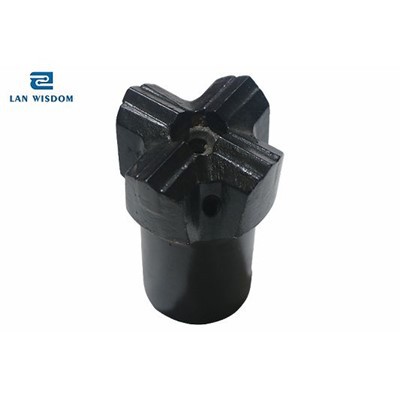
The drill bit is also a key player in stable drilling. A high - quality drill bit is designed to cut through different types of materials smoothly. It should have sharp cutting edges and a proper shape. For example, some drill bits are designed with a conical shape at the tip, which helps to guide the bit straight into the ground. This reduces the chances of the bit veering off course and keeps the drilling process stable. Additionally, the drill bit needs to be properly maintained. Worn - out or damaged drill bits can cause erratic drilling and instability. Regular inspection and replacement of drill bits are essential to ensure stable operation.
The control system of a drill rig is like the brain that coordinates all the functions. Modern drill rigs are equipped with advanced control systems that use sensors and computer algorithms to monitor and adjust various parameters. For instance, the control system can monitor the speed of the drill bit, the pressure applied during drilling, and the position of the rig. If any of these parameters go out of the optimal range, the control system can automatically make adjustments. This real - time monitoring and adjustment help to keep the drilling process stable and efficient.
One type of drill rig that has gained popularity for its stability is the Disc Drill Rig. This type of rig is designed with a unique disc - shaped base, which provides excellent stability even on uneven ground. The disc design distributes the weight of the rig more evenly, reducing the risk of tipping. It also has advanced leveling and control systems that ensure precise and stable drilling.
In addition to the technical aspects, the training of the operators is also crucial for stable drilling. A well - trained operator knows how to handle the drill rig properly, interpret the data from the control system, and make quick decisions in case of any issues. They are familiar with the different components of the rig and can perform routine maintenance tasks to keep the rig in good condition.
Let's not forget about the importance of regular maintenance. Just like a car needs regular servicing, a drill rig also requires routine maintenance to ensure its stability. This includes checking the hydraulic systems, lubricating the moving parts, and inspecting the structural integrity of the rig. Any signs of wear and tear should be addressed promptly to prevent further damage and maintain stable operation.
Weather conditions can also have an impact on the stability of a drill rig. Strong winds, heavy rain, or extreme temperatures can affect the performance of the rig. In windy conditions, the rig may be more prone to tipping, especially if it's not properly secured. Operators need to take appropriate precautions, such as using additional anchors or reducing the drilling speed during adverse weather conditions.
Finally, the type of drilling environment also matters. Drilling in soft soil requires a different approach compared to drilling in hard rock. The drill rig needs to be adjusted accordingly to ensure stable drilling. For example, in soft soil, the drill bit may need to be advanced more slowly to prevent the hole from collapsing. In hard rock, a more powerful drill bit and higher pressure may be required.
In conclusion, ensuring stable drilling is a multi - faceted process that involves the design of the drill rig, the quality of its components, the skills of the operators, and proper maintenance. A stable drill rig not only improves the accuracy and efficiency of the drilling process but also reduces the risk of accidents and equipment damage. If you're in the market for a drill rig and want to ensure stable drilling for your projects, don't hesitate to reach out. We're here to help you find the right drill rig that meets your specific needs. Whether it's a Disc Drill Rig or another type, we have a wide range of options to choose from. Contact us today to start the procurement process and let's discuss how we can work together to make your drilling projects a success.
References
- "Drilling Rig Technology Handbook" by some well - known author in the industry
- Industry whitepapers on drill rig stability and performance
- Manufacturer's manuals and technical specifications of various drill rigs