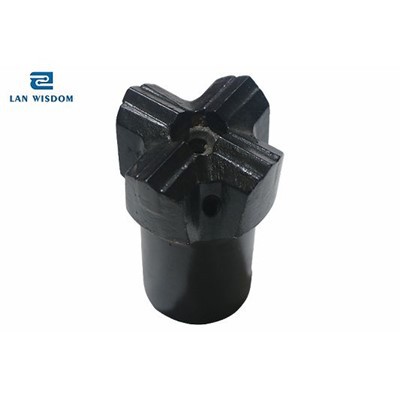
Debugging issues related to Chisel Bits can be a complex yet crucial task in the field of rock drilling and related industries. As a Chisel Bit supplier, I've encountered a wide range of problems that customers face when using these tools. In this blog, I'll share some insights and practical steps on how to effectively debug issues related to Chisel Bits, ensuring optimal performance and longevity.


Understanding the Basics of Chisel Bits
Before delving into the debugging process, it's essential to have a solid understanding of what Chisel Bits are and how they work. Chisel Bits are cutting tools used primarily in rock drilling operations. They come in various shapes and sizes, each designed for specific types of rock and drilling applications. The main components of a Chisel Bit include the bit body, cutting edges, and shank. The cutting edges are responsible for breaking and removing the rock, while the shank connects the bit to the drill rod.
Common Issues and Their Symptoms
- Dull Cutting Edges
- Symptoms: Reduced drilling speed, increased torque requirements, and a rough or uneven hole surface. When the cutting edges of the Chisel Bit become dull, they struggle to penetrate the rock efficiently, leading to these noticeable changes in drilling performance.
- Cause: Continuous use against hard rock without proper maintenance, such as sharpening or replacement, can cause the cutting edges to wear down.
- Bit Breakage
- Symptoms: Sudden loss of drilling progress, bits of the bit being retrieved from the borehole, or visible damage to the bit body. Bit breakage can be a serious issue as it not only disrupts the drilling process but can also cause damage to the drilling equipment.
- Cause: Excessive force applied during drilling, hitting a hard or uneven rock formation, or manufacturing defects can all contribute to bit breakage.
- Poor Bit Retention
- Symptoms: The bit rattles or falls off the drill rod during drilling, leading to inconsistent drilling performance and potential safety hazards.
- Cause: Worn - out or damaged shanks, improper installation of the bit onto the drill rod, or using incompatible drill rods can result in poor bit retention.
- Inadequate Flushing
- Symptoms: Slow drilling speed, build - up of rock debris in the borehole, and overheating of the bit. Flushing is essential for removing rock cuttings from the borehole and cooling the bit.
- Cause: Clogged flushing channels in the bit, insufficient water pressure or flow, or using a flushing system that is not suitable for the drilling conditions can cause inadequate flushing.
Debugging Steps
Step 1: Visual Inspection
The first step in debugging Chisel Bit issues is to conduct a thorough visual inspection. Examine the bit for any signs of damage, such as cracks, chips, or excessive wear on the cutting edges and the bit body. Check the shank for any visible wear or deformation, as this can affect the bit's retention on the drill rod. Also, inspect the flushing channels to ensure they are clear of debris.
Step 2: Assess Drilling Parameters
Review the drilling parameters being used, such as the rotational speed, feed pressure, and flushing rate. Incorrect drilling parameters can exacerbate existing problems or create new ones. For example, if the rotational speed is too high for the type of rock being drilled, it can cause the bit to overheat and wear out faster. Consult the manufacturer's guidelines for the recommended drilling parameters for your specific Chisel Bit and rock type.
Step 3: Check the Drill Rod and Equipment
The condition of the drill rod and the drilling equipment can also impact the performance of the Chisel Bit. Inspect the drill rod for any signs of wear, bending, or damage. A damaged drill rod can transfer uneven forces to the bit, leading to premature wear or breakage. Ensure that the drill equipment is properly maintained and calibrated. Faulty equipment can cause inconsistent drilling performance and make it difficult to diagnose bit - related issues.
Step 4: Analyze the Rock Formation
The type of rock being drilled plays a significant role in the performance of the Chisel Bit. Different rocks have different hardness, abrasiveness, and fracture characteristics. If you are experiencing issues with the bit, consider the rock formation. For example, if the rock is extremely hard, a more durable Chisel Bit may be required. Contact a geologist or rock expert if necessary to better understand the rock properties and select the appropriate bit.
Step 5: Consider the Flushing System
As mentioned earlier, adequate flushing is crucial for the proper functioning of the Chisel Bit. Check the flushing system for any leaks, blockages, or insufficient water pressure. Ensure that the flushing channels in the bit are clear and that the water flow is sufficient to remove the rock cuttings from the borehole. If the flushing system is not working properly, it can cause the bit to overheat and wear out prematurely.
Related Products and Their Role in Debugging
- Cross Drill Bit: Cross Drill Bits are designed for specific types of rock drilling applications. They can be used as an alternative to Chisel Bits in certain situations. If you are experiencing issues with a Chisel Bit, such as poor penetration in a particular type of rock, a Cross Drill Bit may provide better performance.
- Steel Drill Rod: The quality and condition of the Steel Drill Rod are essential for the proper functioning of the Chisel Bit. A high - quality drill rod can ensure that the bit receives the correct amount of force and torque during drilling. If you suspect that the drill rod is causing problems with the bit, consider replacing it with a new, high - quality Steel Drill Rod.
- Button Bit: Button Bits are another type of cutting tool used in rock drilling. They are often used in more demanding applications or in harder rock formations. If you are facing persistent issues with a Chisel Bit, a Button Bit may be a better option.
Preventive Measures
To minimize the occurrence of issues related to Chisel Bits, it's important to implement preventive measures. Regularly maintain and sharpen the bits, following the manufacturer's guidelines. Use the correct drilling parameters for the specific rock type and bit. Inspect and maintain the drill rod and equipment regularly. By taking these preventive measures, you can extend the lifespan of your Chisel Bits and improve the overall efficiency of your drilling operations.
Contact for Purchase and Consultation
If you are facing difficulties in debugging issues related to Chisel Bits or are interested in purchasing high - quality Chisel Bits, related Cross Drill Bit, Steel Drill Rod, and Button Bit, feel free to reach out for procurement discussions. Our team of experts is ready to assist you in finding the best solutions for your rock - drilling needs.
References
- Drilling Technology Handbook, Various Authors
- Rock Mechanics Principles in Drilling, Academic Press