Determining the right length of a steel drill rod is crucial in various drilling operations, whether you're into mining, construction, or geotechnical work. As a steel drill rod supplier, I've seen firsthand how the wrong rod length can lead to inefficiencies, increased costs, and even safety hazards. In this blog post, I'll share some key factors to consider when choosing the appropriate length for your steel drill rod.
Understanding the Drilling Application
The first step in determining the right length of a steel drill rod is to understand the specific drilling application. Different projects have different requirements, and the length of the drill rod can significantly impact the drilling process.
For example, in mining operations, deep hole drilling is common. If you're drilling for ore deposits deep underground, you'll need a longer drill rod to reach the target depth. On the other hand, in shallow foundation work for construction projects, shorter drill rods may be sufficient.
Geotechnical investigations also have their unique requirements. When conducting soil testing at various depths, the length of the drill rod needs to match the depth of the investigation. Longer rods may be needed for deeper soil studies, while shorter ones can be used for surface or near - surface testing.


Considering the Equipment
The drilling equipment you're using plays a major role in determining the drill rod length. Most drill rigs have a maximum rod length capacity, which is determined by the rig's design, including the size of the mast and the feeding mechanism.
If you try to use a drill rod that's too long for your rig, it can cause problems such as difficulty in handling, improper alignment, and even mechanical stress on the rig components. On the flip side, using a rod that's too short may require frequent rod connections, which can slow down the drilling process and increase the risk of connection failures.
For instance, some small - scale, portable drill rigs are designed for shorter drill rods, typically in the range of 1 - 3 meters. Larger, heavy - duty drill rigs used in major mining or large construction projects can handle much longer rods, sometimes up to 10 meters or more. Make sure to consult the equipment manufacturer's specifications to determine the appropriate rod length for your rig.
Hole Depth and Rod Connections
The desired hole depth is clearly a primary factor in choosing the drill rod length. You need to select a rod length that allows you to reach the required depth with the least number of rod connections. Each time you connect two drill rods, you create a potential weak point in the assembly.
Too many connections can increase the risk of rod breakage, especially under high - stress drilling conditions. For relatively shallow holes, you might be able to use a single long rod. But for deeper holes, you'll need to connect multiple rods.
When connecting rods, it's important to use high - quality Steel Drill Rod with proper connection systems. The connection should be strong enough to withstand the torque and axial forces during drilling. Some common connection types include threaded connections, which are widely used due to their ease of assembly and disassembly.
Rock Formation and Drilling Conditions
The nature of the rock formation you're drilling through can also affect the choice of drill rod length. Harder rocks require more force to penetrate, and longer drill rods can be more prone to bending or breaking under the increased stress.
In soft rock or soil formations, longer drill rods may be more feasible as they are less likely to experience excessive stress. However, in hard and abrasive rocks, shorter rods can provide better control and reduce the risk of damage.
Additionally, the presence of water, fractures, or other geological features in the rock can impact the drilling process. For example, if there are water - filled fractures in the rock, longer rods may be more difficult to handle, and the water can cause corrosion and wear on the rod surface.
Bit Compatibility
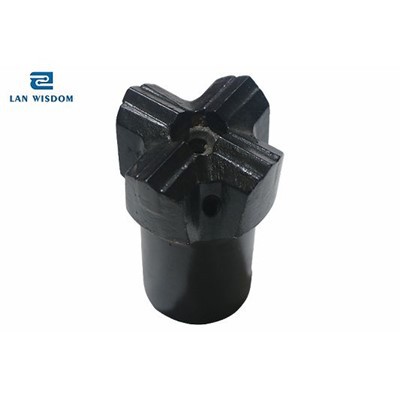
The type and size of the drill bit you're using are closely related to the drill rod length. Different drill bits, such as Button Bit and Cross Drill Bit, have different performance characteristics and requirements.
The drill bit needs to be properly matched with the drill rod to ensure efficient drilling. A larger drill bit may require a more robust and potentially longer drill rod to provide the necessary torque and force. On the other hand, a smaller bit may work well with a shorter rod.
It's important to consider the bit's cutting diameter, the number of cutting elements, and the type of rock it's designed to drill. This will help you choose the right combination of drill bit and drill rod length for optimal performance.
Cost Considerations
Cost is always a factor in any project. Longer drill rods generally cost more than shorter ones, not only in terms of the initial purchase price but also in terms of transportation and storage.
If you're on a tight budget, you may need to balance the need for a longer rod to reach the desired depth with the cost implications. Sometimes, it may be more cost - effective to use a series of shorter rods and connect them as needed, rather than investing in a single long rod.
However, keep in mind that using too many short rods can lead to increased labor costs due to the time spent on rod connections and disconnections. So, it's important to find the right balance between cost and performance when choosing the drill rod length.
Safety First
Safety should never be overlooked when determining the drill rod length. Longer rods can be more difficult to handle, especially when it comes to lifting and positioning them on the drill rig. This increases the risk of accidents, such as dropped rods or injuries to the operators.
Proper safety procedures should be in place when working with drill rods of any length. This includes using appropriate lifting equipment, ensuring proper rod storage, and providing adequate training to the operators.
When using long drill rods, additional safety measures may be required, such as using guide systems to keep the rod in alignment during drilling. Always prioritize safety to prevent workplace accidents and injuries.
Conclusion
Determining the right length of a steel drill rod is a complex decision that involves considering multiple factors, including the drilling application, equipment, hole depth, rock formation, bit compatibility, cost, and safety. As a steel drill rod supplier, I can help you make an informed choice based on your specific needs.
If you're in the market for high - quality steel drill rods and need advice on the right length for your project, don't hesitate to reach out. We're here to provide you with the best solutions and support to ensure the success of your drilling operations.
References
- Drilling Equipment Handbook, various editions
- Rock Mechanics and Drilling Technology textbooks
- Industry Standards and Guidelines for Drilling Operations