Hey there! As a demolition hammer supplier, I've seen firsthand how important it is to test these powerful tools before putting them to work. Testing a new demolition hammer not only ensures its performance but also guarantees safety on the job site. In this blog, I'll walk you through the steps of testing a new demolition hammer, sharing some tips and tricks along the way.
Pre - test Inspection
Before you even fire up the demolition hammer, it's crucial to do a thorough pre - test inspection. Start by checking the physical condition of the tool. Look for any visible signs of damage, like cracks in the housing, bent parts, or loose connections. A damaged tool can be a safety hazard and may not perform as expected.
Next, examine the power source. If it's an electric hammer, check the power cord for any cuts or frays. Make sure the plug is in good condition. For pneumatic hammers, inspect the air hose for leaks and proper connections. A leaky air hose can reduce the hammer's efficiency and waste energy.
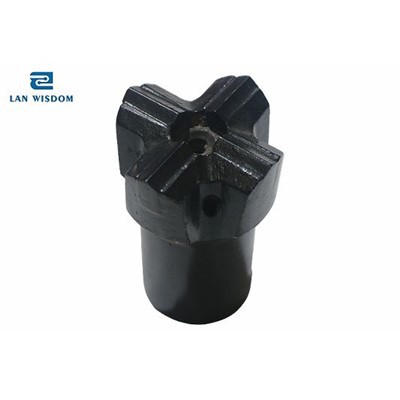
Also, take a look at the chisel or bit. It should be sharp and in good shape. A dull or damaged bit won't break through materials effectively and can put extra stress on the hammer.
Power and Performance Testing
Once you've completed the pre - test inspection, it's time to test the power and performance of the demolition hammer.
Electric Demolition Hammers
If you're testing an electric demolition hammer, plug it into a suitable power outlet. Make sure the outlet can handle the power requirements of the tool. Before starting any heavy - duty work, run the hammer at idle for a few minutes. Listen for any unusual noises, such as grinding or rattling. These could indicate internal problems.
To test its power, find a sample of the material you'll be working with, like concrete or brick. Place the bit on the material and start the hammer. Observe how easily it breaks through the material. The hammer should have enough force to make clean, quick breaks. If it struggles or seems underpowered, there might be an issue with the motor or the electrical system.
Pneumatic Demolition Hammers
For pneumatic hammers, connect the air hose to a reliable air compressor. Set the compressor to the recommended pressure for the hammer. Just like with electric hammers, let the pneumatic hammer run at idle first. Check for any air leaks around the connections or the tool itself.
When testing the performance, use the hammer on a test material. The hammer should operate smoothly and deliver consistent blows. If you notice a significant drop in performance when the hammer is working, it could be due to a problem with the air supply or the internal mechanism of the hammer.
Safety Features Testing
Safety is a top priority when using demolition hammers. So, you need to test all the safety features of the new tool.
Vibration Dampening
Many modern demolition hammers come with vibration dampening systems. These systems reduce the amount of vibration transferred to the user's hands and arms, which can prevent long - term health problems like hand - arm vibration syndrome. To test the vibration dampening, hold the hammer while it's running. You should feel a noticeable reduction in vibration compared to a hammer without this feature.
Anti - kickback
Anti - kickback features are designed to prevent the hammer from suddenly jerking back when the bit gets stuck. To test this, intentionally try to get the bit stuck in a test material. The hammer should not kick back violently. Instead, it should have a mechanism that either stops the bit or reduces the force to prevent injury.
Safety Switch
The safety switch is a simple but essential feature. It should be easy to operate but also difficult to accidentally turn on. Try turning the hammer on and off using the safety switch several times. It should work smoothly and reliably.
Durability Testing
A good demolition hammer should be durable enough to withstand the rigors of daily use. One way to test durability is to subject the hammer to a continuous work cycle.
Find a large enough test area and use the hammer on a suitable material for an extended period, say 30 minutes to an hour. This will simulate real - world working conditions. During this time, keep an eye on the hammer's performance. It should maintain its power and efficiency throughout the test.
Check for any signs of overheating. If the hammer gets too hot, it could damage the internal components and reduce its lifespan. Also, look for any parts that seem to be wearing out quickly, like the bit holder or the handle grips.
Comparing Different Models
As a supplier, I often get asked about the differences between various models of demolition hammers. Let's take a look at some of our popular models: G20 Air Pick, G15 Air Pick, and G10 Air Pick.
The G20 Air Pick is a heavy - duty model. It's designed for large - scale demolition projects. It has a high - power output and can break through thick concrete and other tough materials. If you're working on a big construction site or a large - scale renovation project, the G20 is a great choice.
The G15 Air Pick is a mid - range option. It's suitable for medium - sized jobs, like breaking up smaller concrete slabs or removing tiles. It offers a good balance between power and portability.
The G10 Air Pick is a more lightweight and compact model. It's ideal for light - duty tasks, such as small repairs or working in tight spaces. It's easy to handle and doesn't require as much physical strength as the larger models.


When testing these different models, you'll notice the differences in power, size, and performance. Choose the model that best suits your specific needs.
Conclusion
Testing a new demolition hammer is a crucial step to ensure its performance, safety, and durability. By following the steps I've outlined above, you can identify any potential problems early on and make sure the hammer is ready for the job.
If you're in the market for a new demolition hammer or have any questions about testing or using these tools, don't hesitate to reach out. We're here to help you find the right tool for your project and ensure you get the best performance out of it. Whether you need a heavy - duty G20 Air Pick, a mid - range G15 Air Pick, or a lightweight G10 Air Pick, we've got you covered. Let's start a conversation and find the perfect demolition hammer for your needs!
References
- Construction Equipment Handbook
- Demolition Hammer Manufacturer's Manuals