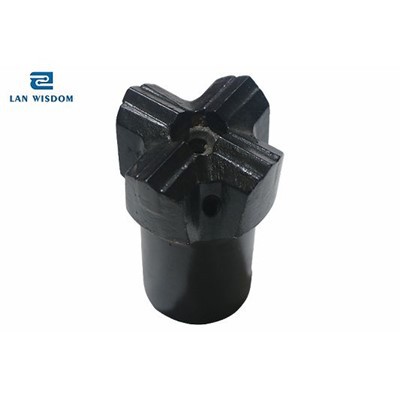
Pneumatic drills are essential tools in various industries, known for their efficiency and power. However, one of the most common problems that users face is the corrosion of these drills. Corrosion not only affects the performance of the pneumatic drill but also shortens its lifespan. As a pneumatic drill supplier, I understand the importance of preventing corrosion to ensure the longevity and optimal performance of our products. In this blog post, I will share some effective ways to prevent the corrosion of a pneumatic drill.
Understanding the Causes of Corrosion
Before we delve into the prevention methods, it's crucial to understand what causes corrosion in pneumatic drills. Corrosion is primarily caused by the reaction of metal with oxygen and moisture in the environment. In the case of pneumatic drills, factors such as humidity, exposure to water, and the presence of corrosive substances can accelerate the corrosion process.
Regular Cleaning and Maintenance
One of the most fundamental steps in preventing corrosion is regular cleaning and maintenance. After each use, it's important to clean the pneumatic drill thoroughly to remove any dirt, debris, or moisture that may have accumulated. Use a clean, dry cloth to wipe down the exterior of the drill, paying special attention to areas where moisture can collect, such as the air intake and exhaust ports.
For more stubborn dirt or grime, you can use a mild detergent or a specialized cleaning solution. Make sure to follow the manufacturer's instructions when using cleaning products to avoid damaging the drill. After cleaning, dry the drill completely to prevent moisture from causing corrosion.


Lubrication
Proper lubrication is essential for the smooth operation of a pneumatic drill and also helps prevent corrosion. Lubricants create a protective barrier between the metal components of the drill and the surrounding environment, reducing the risk of corrosion.
Use a high-quality lubricant specifically designed for pneumatic tools. Apply the lubricant to the moving parts of the drill, such as the chuck, gears, and bearings, according to the manufacturer's recommendations. Regular lubrication not only prevents corrosion but also extends the lifespan of the drill by reducing friction and wear.
Storage Conditions
The way you store your pneumatic drill can have a significant impact on its susceptibility to corrosion. When not in use, store the drill in a dry, clean place. Avoid storing the drill in areas with high humidity, such as basements or garages, as moisture in the air can cause corrosion.
If possible, store the drill in a protective case or cabinet to keep it safe from dust, dirt, and moisture. You can also use a desiccant packet in the storage container to absorb any excess moisture and prevent corrosion.
Use of Protective Coatings
Applying a protective coating to the surface of the pneumatic drill can provide an additional layer of protection against corrosion. There are various types of protective coatings available, such as paint, powder coating, and anti-corrosion sprays.
Before applying a protective coating, make sure the drill is clean and dry. Follow the manufacturer's instructions for applying the coating, and allow it to dry completely before using the drill. A protective coating not only helps prevent corrosion but also enhances the appearance of the drill.
Monitoring and Inspection
Regular monitoring and inspection of the pneumatic drill are essential to detect any signs of corrosion early. Check the drill for any visible signs of rust, discoloration, or damage on a regular basis. If you notice any signs of corrosion, take immediate action to prevent it from spreading.
Inspect the air hoses and connections for any leaks or damage, as these can also contribute to corrosion. Replace any damaged parts promptly to ensure the safe and efficient operation of the drill.
Choosing the Right Pneumatic Drill
As a pneumatic drill supplier, we offer a wide range of high-quality pneumatic drills, including the #2 MT Drive Rotary Air Drill , the 6mm Pistol-Grip Air Drill , and the 8mm Straight Air Drill . Our drills are made from high-quality materials and are designed to resist corrosion. When choosing a pneumatic drill, consider the environment in which it will be used and select a drill that is suitable for your specific needs.
Conclusion
Preventing the corrosion of a pneumatic drill is essential for maintaining its performance and extending its lifespan. By following the tips outlined in this blog post, you can effectively prevent corrosion and ensure the long-term reliability of your pneumatic drill.
If you are interested in purchasing a pneumatic drill or have any questions about corrosion prevention, please feel free to contact us. We are committed to providing our customers with high-quality products and excellent customer service.
References
- ASM Handbook, Volume 13A: Corrosion: Fundamentals, Testing, and Protection. ASM International.
- Corrosion Prevention and Control in Industry. NACE International.