When using a handheld rock drill in cold weather, there are several crucial precautions that need to be taken to ensure both the safety of the operator and the optimal performance of the equipment. As a handheld rock drill supplier, I understand the unique challenges that cold weather presents and am here to share some valuable insights.
1. Pre - operation Checks
Before starting to use the handheld rock drill in cold weather, a thorough pre - operation check is essential. First, examine the drill's exterior for any signs of damage such as cracks or dents. Cold weather can make the metal parts more brittle, increasing the risk of breakage. Check all the connections, including hoses and fittings, to ensure they are tight and free from leaks. Loose connections can lead to a loss of pressure, reducing the drill's efficiency.


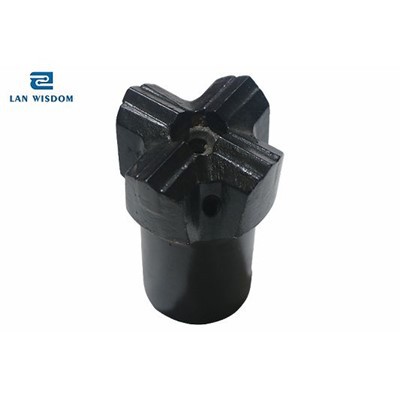
Inspect the drill bit. In cold weather, the bit may become more prone to wear and breakage. Make sure the bit is sharp and in good condition. A dull bit will not only make the drilling process more difficult but also put additional stress on the drill motor.
For the YSP45 Stoper Drill [/rock - drill/handheld - rock - drill/ysp45 - stoper - drill.html], which is known for its high - power performance, these pre - operation checks are even more critical. The complex internal components need to be in perfect working order to withstand the cold conditions.
2. Lubrication
Proper lubrication is vital in cold weather. Cold temperatures can cause the lubricants to thicken, reducing their effectiveness. Use a lubricant specifically designed for cold - weather conditions. These lubricants have a lower viscosity at low temperatures, ensuring smooth operation of the drill's moving parts.
Apply the lubricant to all the moving parts of the handheld rock drill, such as the piston, valves, and gears. This will reduce friction and wear, extending the lifespan of the drill. For example, the Y6 Handheld Rock Drill [/rock - drill/handheld - rock - drill/y6 - handheld - rock - drill.html] has precision - engineered moving parts that require consistent lubrication to function optimally in cold weather.
3. Warm - up the Drill
Just like a car engine, a handheld rock drill needs to be warmed up before use in cold weather. Start the drill at a low speed and let it run for a few minutes. This allows the internal components to reach a suitable operating temperature. During the warm - up period, the lubricant will become more fluid, and the drill will be better prepared for the drilling task.
Avoid immediately subjecting the drill to heavy - duty work after starting it. Gradually increase the load on the drill as it warms up. This approach helps prevent damage to the drill due to sudden stress in cold conditions. The Y24 Handheld Rock Drill [/rock - drill/handheld - rock - drill/y24 - handheld - rock - drill.html] benefits greatly from a proper warm - up routine, as its motor and mechanical parts need to acclimate to the cold environment.
4. Protect the Drill from Frost
Frost can cause significant damage to the handheld rock drill. When the drill is not in use, store it in a warm and dry place. If it is necessary to leave the drill outside, cover it with a protective tarp to prevent frost from forming on the surface.
Moisture can also be a problem in cold weather. Condensation can form inside the drill, leading to rust and corrosion. To prevent this, make sure the drill is dry before storing it. If the drill gets wet during operation, dry it thoroughly before putting it away.
5. Operator Safety
In cold weather, the operator's safety is of utmost importance. Wear appropriate cold - weather clothing, including insulated gloves, warm jackets, and hats. These items will not only keep the operator warm but also protect them from potential injuries.
The operator should also be trained on the proper use of the handheld rock drill in cold weather. They need to be aware of the potential risks, such as reduced dexterity due to cold hands, and take appropriate precautions. For example, use tools to handle the drill instead of bare hands when possible to avoid direct contact with cold metal surfaces.
6. Monitor the Drill's Performance
During operation, closely monitor the performance of the handheld rock drill. Pay attention to any unusual noises, vibrations, or changes in power output. These could be signs of a problem, such as a malfunctioning component or a blockage.
If any issues are detected, stop the drill immediately and inspect it. Do not continue to use the drill if there are signs of damage or malfunction, as this could lead to further problems and potentially dangerous situations.
7. Battery - Powered Drills
If using a battery - powered handheld rock drill, cold weather can significantly reduce the battery's performance. Keep the batteries warm when not in use. You can use battery warmers or store the batteries in a heated area.
Before starting the drill, check the battery's charge level. Cold temperatures can cause the battery to discharge more quickly than normal. Have spare batteries on hand to ensure continuous operation.
8. Maintenance After Use
After using the handheld rock drill in cold weather, perform a thorough maintenance routine. Clean the drill to remove any dirt, debris, or ice that may have accumulated during operation. Check all the components again for any signs of wear or damage.
Lubricate the drill once more to protect it during storage. If the drill has been exposed to moisture, dry it completely to prevent rust.
In conclusion, using a handheld rock drill in cold weather requires careful planning and attention to detail. By following these precautions, you can ensure the safety of the operator and the long - term performance of the drill.
If you are in the market for high - quality handheld rock drills, we are here to assist you. Our range of products, including the YSP45 Stoper Drill, Y6 Handheld Rock Drill, and Y24 Handheld Rock Drill, are designed to meet the demands of various drilling applications, even in cold weather. Contact us for more information and to discuss your specific requirements. We look forward to helping you find the perfect handheld rock drill for your needs.
References
- Industry standards for handheld rock drill operation in cold environments.
- Manufacturer's manuals for YSP45 Stoper Drill, Y6 Handheld Rock Drill, and Y24 Handheld Rock Drill.