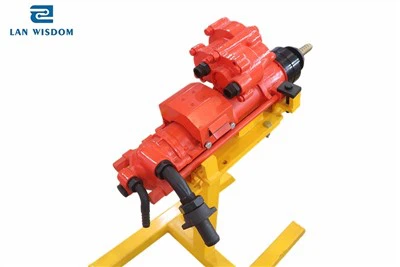
Hey there! As a pneumatic pick supplier, I've seen my fair share of issues with these handy tools. Pneumatic picks are super useful for all sorts of jobs, like breaking up concrete, chipping away at rock, and more. But just like any piece of equipment, they can run into problems from time to time. In this blog, I'll walk you through how to troubleshoot a pneumatic pick.
1. No Power or Reduced Power
One of the most common problems you might encounter is when your pneumatic pick has no power or significantly reduced power. Here are some things to check:
Air Supply
The first thing to look at is the air supply. A pneumatic pick runs on compressed air, so if there's an issue with the air supply, it won't work properly.
- Check the Air Hose: Make sure the air hose is properly connected to both the air compressor and the pneumatic pick. Sometimes, the hose can come loose during use. Also, check for any kinks or cuts in the hose. A kinked hose can restrict the air flow, and a cut hose can cause air leaks.
- Air Compressor Settings: Ensure that the air compressor is set to the correct pressure. Different pneumatic picks have different pressure requirements. For example, our G20 Air Pick might need a different pressure than the G15 Air Pick. Refer to the user manual for the specific pressure settings.
- Air Filter: A dirty air filter can also reduce the air flow. Check the air filter on your air compressor and clean or replace it if necessary.
Valve Issues
The valve in the pneumatic pick controls the flow of air. If it's not working correctly, it can cause power problems.
- Valve Blockage: Sometimes, debris can get into the valve and block the air flow. You can try to clean the valve by using compressed air to blow out any debris. If the valve is severely blocked, you might need to disassemble it and clean it more thoroughly.
- Valve Damage: If the valve is damaged, it will need to be replaced. Look for signs of wear or damage, such as cracks or leaks.
2. Excessive Vibration
Excessive vibration can not only make the tool uncomfortable to use but can also indicate a problem.
Tool Bit Issues
The tool bit is the part of the pneumatic pick that does the actual work. If it's not properly installed or is damaged, it can cause excessive vibration.
- Bit Installation: Make sure the tool bit is properly installed in the pneumatic pick. It should fit snugly and be locked in place. If the bit is loose, it can cause vibrations.
- Bit Damage: Check the tool bit for any signs of damage, such as chips or cracks. A damaged bit can cause uneven forces and lead to excessive vibration. Replace the bit if necessary.
Internal Components
There could also be an issue with the internal components of the pneumatic pick.
- Piston and Cylinder: The piston and cylinder are important parts of the pneumatic pick's operation. If they are worn or damaged, it can cause excessive vibration. You might need to disassemble the pick to inspect these components. If they are worn, they will need to be replaced.
3. Leaking Air
Air leaks can be a common problem with pneumatic picks.
O - Rings and Seals
O - rings and seals are used to prevent air from leaking out of the pneumatic pick.
- Inspect O - Rings: Check all the O - rings in the pneumatic pick for signs of wear or damage. If an O - ring is worn, it can cause air to leak. Replace any damaged O - rings.
- Seal Integrity: Make sure all the seals are intact. Sometimes, seals can become loose or damaged, causing air leaks. Tighten any loose seals or replace them if necessary.
Connections
The connections between the different parts of the pneumatic pick can also be a source of air leaks.
- Hose Connections: As mentioned earlier, check the connections between the air hose and the pneumatic pick. Make sure they are tight and there are no leaks.
- Internal Connections: Check the internal connections within the pneumatic pick. Loose or damaged internal connections can cause air to leak.
4. Unusual Noises
If your pneumatic pick is making unusual noises, it could be a sign of a problem.
Worn Components
Worn components can cause rattling or grinding noises.
- Bearings: Check the bearings in the pneumatic pick. If they are worn, they can make a grinding noise. Replace the bearings if necessary.
- Other Moving Parts: Inspect all the moving parts in the pick for wear. Worn gears, pistons, or other components can cause unusual noises.
Foreign Objects
Sometimes, foreign objects can get into the pneumatic pick and cause noise.
- Debris Removal: Try to blow out any debris from the pick using compressed air. If the noise persists, you might need to disassemble the pick to remove the foreign object.
5. Maintenance Tips
To prevent these problems from occurring in the first place, here are some maintenance tips:


- Regular Cleaning: Clean your pneumatic pick after each use. Remove any dirt, debris, or dust from the tool. This will help prevent blockages and damage to the internal components.
- Lubrication: Lubricate the moving parts of the pneumatic pick regularly. This will help reduce wear and tear and keep the tool running smoothly.
- Inspection: Periodically inspect the pneumatic pick for any signs of wear or damage. Catching problems early can save you time and money in the long run.
In conclusion, troubleshooting a pneumatic pick isn't too difficult if you know what to look for. By following these steps, you can quickly identify and fix most problems. If you're still having issues, don't hesitate to reach out to us. We're here to help you get the most out of your pneumatic pick. Whether you're in the market for a new G20 Air Pick, G15 Air Pick, or G10 Air Pick, or you need replacement parts, we've got you covered. If you're interested in purchasing or have any questions, feel free to start a conversation with us to discuss your needs.
References:
- Pneumatic Tools Handbook
- Manufacturer's User Manuals for Pneumatic Picks