

Hey there! As a supplier of rock drilling tools, I've seen firsthand the differences between standard and non - standard rock drilling tools. In this blog, I'm gonna break down these differences to help you make a more informed decision when it comes to your drilling needs.
1. Design and Specification
Standard Rock Drilling Tools
Standard rock drilling tools are designed according to well - established industry norms. These norms ensure that the tools are interchangeable and compatible with a wide range of drilling equipment. For example, the dimensions of a standard Steel Drill Rod are set so that it can be easily connected to different types of drill rigs. The thread sizes, lengths, and diameters are consistent across the industry. This standardization makes it easier for drillers to source replacement parts and ensures smooth operation of the drilling equipment.
The design of standard tools also takes into account common drilling conditions. They are engineered to perform well in a variety of rock types, from soft sedimentary rocks to moderately hard igneous rocks. For instance, a standard Chisel Bit has a specific shape and cutting edge angle that is optimized for general - purpose drilling.
Non - Standard Rock Drilling Tools
Non - standard tools, on the other hand, are custom - designed to meet specific drilling requirements. Maybe you're dealing with a unique rock formation that has extremely high hardness or a very irregular structure. In such cases, a non - standard tool can be tailored to the exact needs of the project. The dimensions, materials, and cutting geometries can all be adjusted. For example, if you need to drill through a rock with a high quartz content, a non - standard button bit might be designed with a special arrangement of buttons and a harder grade of carbide to handle the abrasiveness.
2. Material Quality
Standard Rock Drilling Tools
Standard tools usually use commonly available materials that meet industry - wide quality standards. The steel used in Steel Drill Rod is typically a high - strength alloy that can withstand the stresses of drilling. The carbide inserts in bits are of a standard grade that provides good wear resistance and cutting performance in most situations.
Manufacturers of standard tools often have well - established supply chains for these materials, which helps keep the cost down. However, this also means that the material quality is somewhat limited to what is commonly available and accepted in the industry.
Non - Standard Rock Drilling Tools
Non - standard tools have the advantage of being able to use specialized materials. If the drilling project requires a tool to withstand extremely high temperatures or corrosive environments, non - standard tools can be made from high - performance alloys or advanced ceramics. For example, in a geothermal drilling project where the temperature at the drill bit can reach very high levels, a non - standard Button Bit might be made with a heat - resistant carbide or a superalloy to ensure its longevity.
3. Performance in Different Rock Conditions
Standard Rock Drilling Tools
Standard tools are great for general - purpose drilling. They can handle a wide range of rock types and conditions. In soft to medium - hard rocks, a standard chisel bit or button bit can provide efficient drilling. The standard design and material quality allow for consistent performance. For instance, in a limestone quarry, a standard drill rod and bit combination can drill holes at a reasonable rate without much trouble.

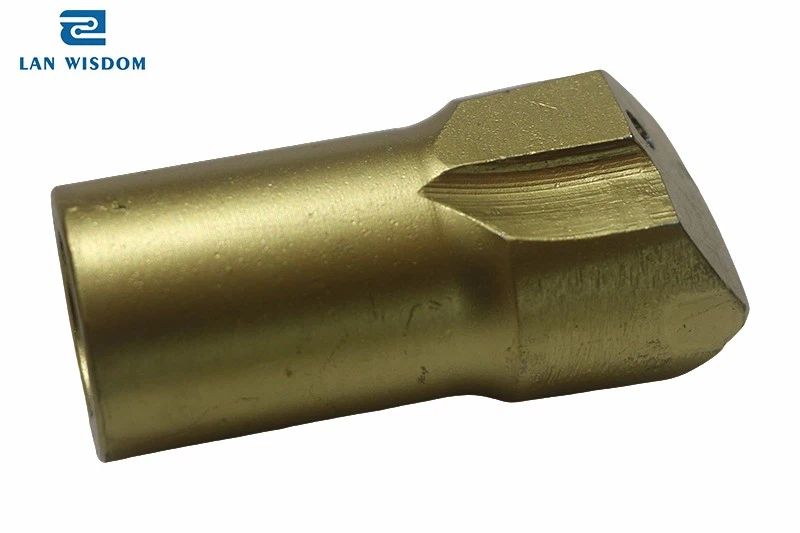
However, when it comes to very hard or abrasive rocks, standard tools may start to show signs of wear more quickly. The cutting edges may dull faster, and the overall drilling efficiency may decrease.
Non - Standard Rock Drilling Tools
Non - standard tools shine in challenging rock conditions. If you're drilling in a granite formation, a non - standard button bit with a unique button arrangement and a harder carbide grade can penetrate the rock more effectively. The custom - designed tool can maintain its cutting performance for a longer time, reducing the frequency of bit changes and increasing the overall productivity of the drilling operation.
4. Cost
Standard Rock Drilling Tools
One of the biggest advantages of standard tools is their cost - effectiveness. Since they are mass - produced and use commonly available materials, the manufacturing cost is relatively low. This cost savings is passed on to the customers. If you have a large - scale drilling project where you need a large number of drill rods and bits, standard tools can be a budget - friendly option.
Non - Standard Rock Drilling Tools
Non - standard tools, due to their custom design and use of specialized materials, are generally more expensive. The cost of research and development for a custom - designed tool, as well as the cost of acquiring specialized materials, adds up. However, in some cases, the increased cost can be justified by the improved performance and productivity in difficult drilling conditions. For example, if a non - standard tool can reduce the drilling time by half in a high - priority project, the overall cost savings in terms of labor and equipment rental can outweigh the higher initial cost of the tool.
5. Availability and Lead Time
Standard Rock Drilling Tools
Standard tools are usually readily available in the market. Most suppliers keep a large inventory of standard drill rods, bits, and other accessories. This means that you can get the tools you need quickly, which is crucial for keeping your drilling project on schedule. If a bit breaks during a drilling operation, you can easily replace it with a standard one from your local supplier.
Non - Standard Rock Drilling Tools
Non - standard tools often have a longer lead time. Since they are custom - made, the manufacturing process involves more steps, including design, material sourcing, and quality control. You may have to wait several weeks or even months for a non - standard tool to be manufactured and delivered. This is something to consider when planning your drilling project.
6. Compatibility with Drilling Equipment
Standard Rock Drilling Tools
As mentioned earlier, standard tools are designed to be compatible with a wide range of drilling equipment. Whether you have a small - scale portable drill or a large - scale industrial drill rig, standard drill rods and bits can usually be easily integrated. This compatibility makes it easier for drillers to switch between different tools and equipment without having to worry about fitting issues.
Non - Standard Rock Drilling Tools
Non - standard tools may require some modifications to the drilling equipment. Since they are custom - designed, the connection points or the overall dimensions may not match the standard equipment. However, in some cases, the drilling equipment can be adjusted or adapted to work with the non - standard tools. This may involve some additional cost and time, but it can be worth it for the improved performance.
In conclusion, both standard and non - standard rock drilling tools have their own advantages and disadvantages. The choice between them depends on your specific drilling needs, budget, and the rock conditions you're dealing with. If you need a cost - effective solution for general - purpose drilling, standard tools are a great option. But if you're facing a challenging drilling project with unique requirements, non - standard tools can provide the performance you need.
If you're interested in learning more about our rock drilling tools, whether standard or non - standard, we'd love to have a chat with you. Contact us to start a discussion about your specific drilling needs and let's find the best solution together.
References
- Rock Drilling Handbook, Various Industry Publications
- Technical Papers on Advanced Drilling Materials and Tool Design


