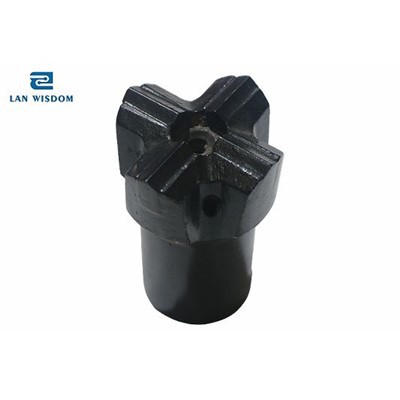
In the intricate world of medical device manufacturing, precision and hygiene are not just desirable qualities; they are non - negotiable requirements. As a trusted Cross Drill Bit supplier, I am acutely aware of the critical role these drill bits play in the process and the high standards they must meet.
Hygiene Requirements for Using a Cross Drill Bit in Medical Device Manufacturing
Sterilization
One of the primary hygiene concerns in medical device manufacturing is sterilization. Cross drill bits must be thoroughly sterilized before use to prevent any form of contamination. This is crucial as medical devices are often used in invasive procedures, and even the slightest presence of bacteria or other microorganisms can lead to serious infections in patients.
There are several methods of sterilization available, each with its own advantages and limitations. Autoclaving is a widely used method that involves subjecting the drill bits to high - pressure steam at a temperature of around 121 - 134°C for a specific period. This method is effective in killing a wide range of microorganisms, including bacteria, viruses, and fungi. However, some drill bits may be sensitive to high temperatures, and autoclaving could potentially damage their structural integrity.
Another method is chemical sterilization, which uses chemicals such as ethylene oxide or hydrogen peroxide. These chemicals can penetrate the drill bit's surface and kill microorganisms. Ethylene oxide is particularly effective against a broad spectrum of pathogens, but it requires special handling due to its toxicity. Hydrogen peroxide, on the other hand, is a more environmentally friendly option and can be used in low - temperature plasma sterilization processes.
Cleanliness During Use
Maintaining cleanliness during the use of cross drill bits is equally important. The manufacturing environment should be a cleanroom, which is designed to minimize the presence of airborne particles. The air in the cleanroom is filtered to remove dust, dirt, and other contaminants. Operators must wear appropriate protective clothing, such as gowns, gloves, and masks, to prevent the introduction of external contaminants.
Regular cleaning of the drill bits during the manufacturing process is also essential. This can be done using specialized cleaning agents that are designed to remove debris, metal shavings, and other residues. Ultrasonic cleaning is a popular method, where the drill bits are placed in a tank filled with a cleaning solution and subjected to ultrasonic waves. These waves create tiny bubbles that implode, effectively removing contaminants from the drill bit's surface.
Storage
Proper storage of cross drill bits is crucial to maintain their hygiene. Drill bits should be stored in a clean, dry environment, preferably in a sealed container. This helps to prevent the accumulation of dust and moisture, which can lead to corrosion and the growth of microorganisms. The storage area should also be regularly cleaned and disinfected to ensure a hygienic environment.
Precision Requirements for Using a Cross Drill Bit in Medical Device Manufacturing
Dimensional Accuracy
Medical devices often have very strict dimensional requirements. Cross drill bits must be manufactured with high precision to ensure that they can create holes of the exact size and shape required. Even a slight deviation in the drill bit's diameter or length can lead to significant problems in the final medical device.
For example, in the manufacturing of orthopedic implants, the holes drilled by the cross drill bit must be of the correct size to ensure a proper fit with screws or other fasteners. If the holes are too large, the fasteners may not hold securely, and if they are too small, the fasteners may not fit at all. Therefore, the drill bits must be manufactured with a high degree of dimensional accuracy, typically within a tolerance of a few micrometers.
Cutting Edge Quality
The cutting edge of a cross drill bit is critical for achieving precision in drilling. A sharp and well - maintained cutting edge ensures clean and accurate holes. The cutting edge should be made of high - quality materials, such as high - speed steel or carbide, to ensure durability and resistance to wear.
The geometry of the cutting edge also plays a crucial role in precision. The angle of the cutting edge, the rake angle, and the clearance angle must be carefully designed to optimize the drilling process. For example, a proper rake angle can reduce the cutting force and improve the chip evacuation, resulting in a smoother and more accurate drilling operation.
Stability and Rigidity
During the drilling process, the cross drill bit must be stable and rigid to prevent any vibrations or deflections. Vibrations can cause the drill bit to deviate from the intended drilling path, leading to inaccurate holes. Therefore, the drill bit must be designed and manufactured to have high stiffness and stability.

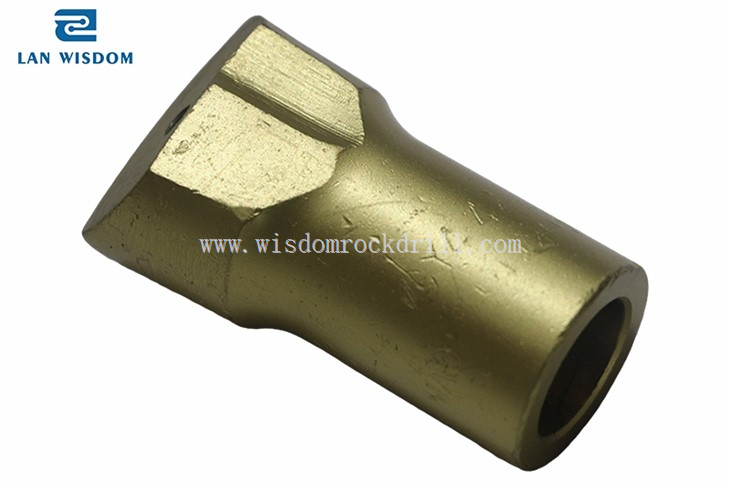
This can be achieved through proper material selection and design. For example, using a solid and well - balanced drill bit body can help to reduce vibrations. Additionally, the drill bit should be properly mounted in the drilling machine to ensure a stable and secure connection.
The Role of Our Cross Drill Bits in Meeting These Requirements
As a Cross Drill Bit supplier, we are committed to meeting the highest hygiene and precision requirements in medical device manufacturing. Our cross drill bits are made from high - quality materials, such as Steel Drill Rod, which provides excellent strength and durability. We use advanced manufacturing processes to ensure the dimensional accuracy of our drill bits, with tolerances that meet or exceed industry standards.
In terms of hygiene, our drill bits are subjected to rigorous sterilization processes before they are shipped to our customers. We also provide detailed instructions on how to maintain the cleanliness of the drill bits during use and storage.
Our cross drill bits are designed with a sharp and precise cutting edge, which is optimized for clean and accurate drilling. We understand the importance of stability and rigidity in the drilling process, and our drill bits are engineered to minimize vibrations and deflections.
Comparison with Other Drill Bits
When compared to other types of drill bits, such as Chisel Bit, our cross drill bits offer several advantages in medical device manufacturing. Chisel bits are typically used for more heavy - duty applications and may not provide the same level of precision as cross drill bits. Cross drill bits are designed to create clean and accurate holes, which is essential in medical device manufacturing.
Conclusion
In conclusion, the hygiene and precision requirements for using a cross drill bit in medical device manufacturing are extremely high. Hygiene is crucial to prevent contamination and ensure the safety of patients, while precision is necessary to meet the strict dimensional requirements of medical devices.
As a Cross Drill Bit supplier, we are dedicated to providing high - quality drill bits that meet these requirements. Our commitment to quality, precision, and hygiene makes us a reliable partner for medical device manufacturers.
If you are in the medical device manufacturing industry and are looking for high - quality cross drill bits that meet the strictest hygiene and precision standards, we invite you to contact us for a detailed discussion. We are ready to provide you with the best solutions for your manufacturing needs.
References
- Smith, J. (2018). Precision Manufacturing in the Medical Device Industry. Journal of Medical Manufacturing, 12(3), 45 - 56.
- Johnson, A. (2019). Hygiene Standards in Medical Device Production. International Journal of Medical Hygiene, 20(2), 78 - 89.
- Brown, C. (2020). Drill Bit Technology for Medical Applications. Advances in Medical Engineering, 15(4), 112 - 123.