Hey there! As a rock drill supplier, I've seen firsthand how crucial it is to boost the efficiency of these powerful machines. Whether you're in mining, construction, or any other industry that relies on rock drills, improving efficiency can save you time, money, and a whole lot of hassle. In this blog, I'll share some practical tips and tricks to help you get the most out of your rock drill.
1. Choose the Right Rock Drill for the Job
Not all rock drills are created equal. Different types of rock drills are designed for specific applications and rock conditions. For instance, if you're working on hard rock, a Hydraulic Rock Drill might be your best bet. These drills offer high power and precision, making them ideal for tough jobs. On the other hand, if you need a more portable option for smaller projects, a handheld drill like the YSP45 Stoper Drill could be the way to go.
Before you start any project, take the time to assess the rock type, the depth of the hole you need to drill, and the overall scope of the job. This will help you select the most suitable rock drill and ensure that it can handle the task efficiently.
2. Keep Your Rock Drill Well - Maintained
Regular maintenance is the key to keeping your rock drill in top shape. A well - maintained drill will not only perform better but also have a longer lifespan. Here are some maintenance tasks you should do regularly:


- Cleaning: After each use, clean the drill thoroughly to remove any dirt, dust, or debris. This will prevent clogs and ensure smooth operation.
- Lubrication: Proper lubrication is essential for reducing friction and wear. Make sure to use the recommended lubricants and follow the manufacturer's guidelines for lubrication intervals.
- Inspection: Regularly inspect the drill for any signs of damage or wear. Check the drill bits, hoses, and other components for cracks, leaks, or other issues. Replace any worn - out parts immediately to avoid further damage.
3. Optimize Drill Bit Selection
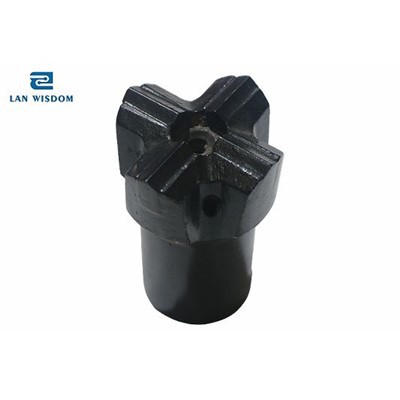
The drill bit is one of the most important parts of a rock drill. Choosing the right drill bit can significantly improve drilling efficiency. Consider the following factors when selecting a drill bit:
- Rock Type: Different rock types require different drill bits. For example, for soft rock, a carbide - tipped bit might be sufficient. However, for hard rock, you'll need a more durable bit, such as a diamond - tipped bit.
- Hole Size: The size of the hole you need to drill will also determine the appropriate drill bit. Make sure to choose a bit that is the right diameter for your project.
- Drilling Speed: Some drill bits are designed for high - speed drilling, while others are better suited for slower, more precise drilling. Select a bit that matches your desired drilling speed.
4. Adjust Drilling Parameters
Properly adjusting the drilling parameters can have a big impact on efficiency. Here are some key parameters to consider:
- Rotation Speed: The rotation speed of the drill should be adjusted based on the rock type and the drill bit. For softer rocks, a higher rotation speed can be used, while for harder rocks, a slower speed may be more appropriate.
- Feed Pressure: The feed pressure determines how fast the drill bit advances into the rock. Too much feed pressure can cause the drill bit to wear out quickly, while too little pressure can result in slow drilling. Find the right balance for your specific application.
- Impact Energy: The impact energy of the drill affects the penetration rate. Adjust the impact energy according to the rock hardness and the desired drilling speed.
5. Train Your Operators
Even the best rock drill won't perform well if the operator doesn't know how to use it properly. Training your operators is essential for improving efficiency. Provide comprehensive training on the operation, maintenance, and safety of the rock drill. Make sure your operators understand the importance of following the manufacturer's guidelines and best practices.
Encourage your operators to share their experiences and feedback. They may have valuable insights on how to improve the drilling process and increase efficiency.
6. Use Advanced Technology
Advancements in technology have led to the development of more efficient rock drills. Consider investing in drills that feature advanced technologies such as automation, remote control, and real - time monitoring. These features can help optimize the drilling process, reduce human error, and improve overall efficiency.
For example, some modern rock drills can automatically adjust the drilling parameters based on the rock conditions, ensuring optimal performance at all times. Remote control capabilities allow operators to control the drill from a safe distance, which is especially useful in hazardous environments.
7. Plan Your Drilling Operations
Proper planning is crucial for efficient drilling. Before you start drilling, create a detailed plan that includes the location of the holes, the depth of the holes, and the sequence of drilling. This will help you avoid unnecessary movements and ensure that the drilling process is carried out in an organized manner.
Consider using software tools to plan your drilling operations. These tools can help you visualize the drilling pattern, calculate the required resources, and optimize the drilling sequence.
8. Monitor and Analyze Performance
Regularly monitor the performance of your rock drill to identify any issues or areas for improvement. Keep track of key performance indicators such as drilling speed, penetration rate, and bit wear. Analyze this data to identify trends and make informed decisions about maintenance, bit selection, and drilling parameters.
By monitoring and analyzing performance, you can continuously improve the efficiency of your rock drill and reduce downtime.
Conclusion
Improving the efficiency of a rock drill is a multi - faceted process that involves choosing the right drill, maintaining it properly, optimizing drill bit selection, adjusting drilling parameters, training operators, using advanced technology, planning operations, and monitoring performance. By implementing these tips, you can significantly enhance the performance of your rock drill and achieve better results in your projects.
If you're interested in learning more about our rock drills, including the Hydraulic Rock Drill, YGZ100 Drifter Drill, and YSP45 Stoper Drill, feel free to reach out to us for a consultation. We're here to help you find the best solutions for your drilling needs.
References
- Manufacturer's manuals for rock drills
- Industry research on rock drilling efficiency
- Technical papers on advanced rock drilling technologies