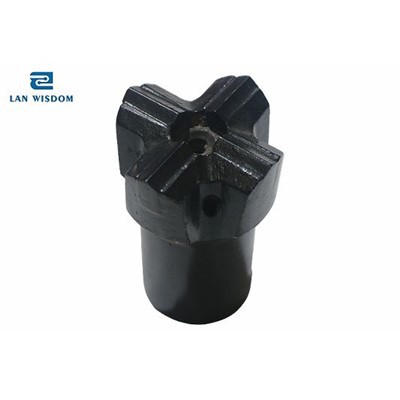
When it comes to the demanding world of rock drilling, the performance and durability of button bits are of utmost importance. One critical factor that significantly impacts their effectiveness is temperature resistance. As a leading button bit supplier, I understand the intricacies of this aspect and its influence on the overall performance of these essential tools.
Understanding the Basics of Button Bits
Button bits are widely used in various rock - drilling applications, from mining and quarrying to construction projects. They are designed with carbide buttons on the bit face, which are responsible for breaking through hard rock formations. These buttons are typically made of tungsten carbide, a material known for its high hardness and wear resistance.
The temperature resistance of button bits refers to their ability to withstand the high temperatures generated during the drilling process. When a button bit rotates and grinds against the rock, friction is produced, which can cause a significant increase in temperature. If the bit cannot handle these high temperatures, it can lead to a range of problems, including premature wear, loss of cutting efficiency, and even bit failure.
Factors Affecting Temperature Resistance
Several factors contribute to the temperature resistance of button bits.
Material Composition
The choice of materials plays a crucial role. Tungsten carbide, as mentioned earlier, is the primary material for the buttons. The quality and composition of the tungsten carbide can vary, and higher - grade carbides generally offer better temperature resistance. For example, carbides with a higher percentage of cobalt binder can have improved toughness and heat - resistance properties.
Design and Geometry
The design of the button bit also affects its temperature resistance. Bits with well - designed flutes can help in better cooling by allowing the drilling fluid to flow more efficiently around the bit. Additionally, the arrangement and shape of the buttons can influence heat distribution. A proper button layout can ensure that the heat is evenly spread across the bit face, reducing the risk of hot spots that could lead to overheating.
Drilling Parameters
The parameters used during drilling, such as rotational speed, feed rate, and the type of drilling fluid, also impact the temperature. Higher rotational speeds and feed rates can generate more heat, while the right drilling fluid can help in cooling the bit and reducing friction. For instance, using a coolant - based drilling fluid can significantly lower the temperature of the bit during operation.
Measuring Temperature Resistance
Measuring the temperature resistance of button bits is a complex process. One common method is to use thermal sensors during actual drilling operations. These sensors can be placed on the bit or in the drilling environment to monitor the temperature changes. Another approach is to conduct laboratory tests, where the bit is subjected to simulated drilling conditions, and the temperature is measured under controlled settings.
Importance of Temperature Resistance in Different Applications
Mining
In mining operations, button bits are often used to drill through extremely hard rock formations. The high - pressure and high - speed drilling in mines can generate a substantial amount of heat. A button bit with good temperature resistance can maintain its cutting edge for a longer time, reducing the need for frequent bit changes. This not only improves productivity but also reduces the overall cost of drilling.
Quarrying
Quarrying involves the extraction of large blocks of stone. Button bits are used to create holes for blasting or to cut through the rock. The temperature resistance of the bits is crucial in this application because the continuous drilling can cause the bit to heat up rapidly. A bit that can withstand high temperatures will be more reliable and efficient, leading to better - quality quarrying operations.
Construction
In construction projects, button bits are used for tasks such as foundation drilling and rock excavation. The ability of the bit to resist high temperatures ensures smooth and efficient drilling, even in challenging rock conditions. This is especially important in urban construction sites, where time is of the essence, and any delay due to bit failure can be costly.
Our Product Offerings
As a button bit supplier, we offer a wide range of products with excellent temperature resistance. Our X Drill Bit is designed with high - grade tungsten carbide buttons and a unique flute design that promotes efficient cooling. This bit is suitable for various drilling applications, from soft to hard rock formations.
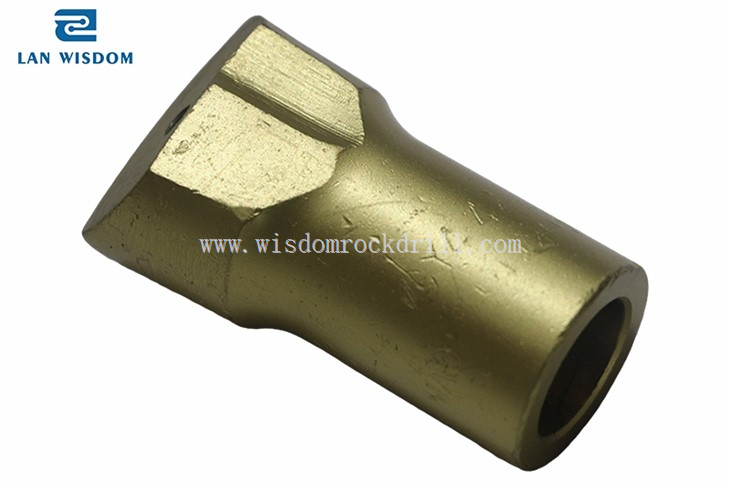

Our Chisel Bit is another popular choice. It features a chisel - shaped button that provides a powerful cutting action. The bit's design helps in dissipating heat quickly, ensuring long - lasting performance even under high - temperature conditions.
The Cross Drill Bit is also a great option. Its cross - shaped button arrangement distributes the heat evenly across the bit face, reducing the risk of overheating. This bit is ideal for high - speed drilling in hard rocks.
Ensuring Optimal Performance
To ensure the optimal performance of our button bits, we recommend following some best practices. First, always use the right drilling fluid for the specific rock type and drilling conditions. The drilling fluid not only cools the bit but also helps in removing the rock cuttings. Second, adjust the drilling parameters according to the rock hardness and the bit's specifications. This will help in reducing the heat generated during drilling.
Contact Us for Procurement
If you are in the market for high - quality button bits with excellent temperature resistance, we invite you to get in touch with us. Our team of experts can provide you with detailed information about our products, help you choose the right bit for your specific application, and discuss the best procurement options. Whether you are a mining company, a quarry operator, or a construction firm, we have the right button bit solution for you.
References
- Smith, J. (2018). "Advanced Rock Drilling Techniques." Mining Journal, 25(3), 45 - 56.
- Johnson, R. (2019). "The Role of Material Science in Button Bit Design." Construction Technology Review, 12(4), 78 - 85.
- Brown, A. (2020). "Temperature Management in Rock Drilling." Drilling Industry Magazine, 30(2), 32 - 40.