Can a Chisel Bit be used in a sensor - interface design?
Hey there! I'm a supplier of chisel bits, and today I want to dig deep into a rather interesting question: Can a chisel bit be used in a sensor - interface design? It might sound a bit out of the box at first, but let's break it down and see if there's any merit to this idea.
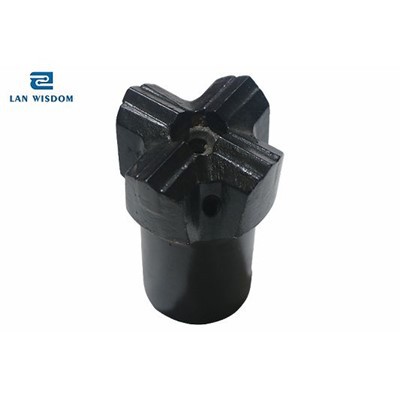
First off, let's understand what a chisel bit is. A chisel bit is a tool commonly used in rock - drilling operations. It's designed to break through hard materials like rocks and concrete. These bits come in different shapes and sizes, and they're built to withstand high levels of stress and wear. We've got Cross Drill Bit and Button Bit, which are popular types of chisel bits, and they're often paired with Steel Drill Rod to get the job done.
Now, when we talk about sensor - interface design, we're dealing with a whole different ballgame. Sensor - interface design is all about creating a connection between sensors and other components in a system. Sensors are used to detect various physical quantities like temperature, pressure, and motion, and the interface is what allows the sensor to communicate this data effectively.
So, can a chisel bit fit into this picture? Well, at first glance, it seems like an odd combination. Chisel bits are made for heavy - duty mechanical work, while sensor - interface design is more about electronics and data transfer. But there are some aspects where we might find a connection.
One possible way a chisel bit could be involved in sensor - interface design is in the context of industrial monitoring. In a mining or construction environment, where chisel bits are commonly used, there's a need to monitor the performance of the drilling equipment. Sensors can be used to measure things like the force applied to the chisel bit, the vibration levels, and the temperature during the drilling process.
For example, if we attach a force sensor to the chisel bit, we can get real - time data on how much pressure is being exerted. This information can be crucial for ensuring the efficiency of the drilling operation. If the force is too high, it could lead to premature wear of the chisel bit or even damage to the drilling equipment. On the other hand, if the force is too low, the drilling process might be inefficient.
Vibration sensors can also be used in conjunction with chisel bits. Excessive vibration can indicate problems such as misalignment of the drilling equipment or a dull chisel bit. By monitoring the vibration levels, we can take preventive measures to avoid costly breakdowns.
Temperature sensors are another important component. Drilling generates a lot of heat, and if the temperature of the chisel bit gets too high, it can affect its performance and lifespan. By having a temperature sensor on the chisel bit, we can monitor the heat and take steps to cool it down if necessary.
However, integrating a chisel bit with sensors isn't without its challenges. One of the main issues is the harsh environment in which chisel bits operate. The high - pressure, high - temperature, and dusty conditions can damage the sensors. So, we need to find sensors that are rugged enough to withstand these conditions.
Another challenge is the power supply for the sensors. In a drilling operation, it might be difficult to provide a continuous power source to the sensors. We could use wireless sensors that are powered by batteries, but then we need to ensure that the batteries have a long enough lifespan and can be easily replaced.
Despite these challenges, the potential benefits of using chisel bits in sensor - interface design are significant. By having real - time data on the performance of the chisel bit, we can optimize the drilling process, reduce downtime, and increase the lifespan of the equipment.
Let's take a look at some real - world examples. In large - scale mining operations, companies are starting to explore the use of sensor - enabled chisel bits. These bits are equipped with multiple sensors that collect data on various parameters. The data is then transmitted to a central control system, where it can be analyzed to make informed decisions about the drilling operation.
For instance, if the data shows that a particular chisel bit is experiencing high levels of wear, the operator can schedule a replacement before it fails completely. This proactive approach can save a lot of time and money in the long run.


In the construction industry, sensor - enabled chisel bits can also be used to ensure the quality of the drilling. By monitoring the force and vibration levels, contractors can ensure that the holes are drilled to the correct specifications.
So, in conclusion, while it might seem like an unlikely combination at first, a chisel bit can indeed be used in a sensor - interface design. There are challenges to overcome, but the potential benefits are too significant to ignore.
If you're interested in exploring the possibilities of using chisel bits in sensor - interface design or if you're looking for high - quality chisel bits for your drilling operations, I'd love to have a chat with you. We can discuss your specific needs and see how we can work together to achieve your goals. Reach out, and let's start this exciting journey together!
References
- General knowledge on rock - drilling tools and sensor - interface design.
- Industry reports on the use of sensors in mining and construction equipment.