Can a steel drill rod be used for drilling in concrete blocks?
As a supplier of Steel Drill Rods, I often encounter inquiries from customers about the suitability of our products for various applications, especially when it comes to drilling in concrete blocks. This blog post aims to explore the viability of using a steel drill rod for this purpose, taking into account the characteristics of both the drill rod and the concrete blocks.
Understanding the Properties of Steel Drill Rods
Steel drill rods are known for their strength and durability. They are typically made from high - quality steel alloys that can withstand the rigors of drilling operations. The steel's hardness allows it to penetrate different materials, and its toughness helps prevent breakage during the drilling process.
The design of a steel drill rod also plays a crucial role. It usually has a specific diameter and length, which can be chosen according to the requirements of the drilling task. For example, a thicker drill rod may provide more stability and power, while a longer one can reach deeper into the material.
Characteristics of Concrete Blocks
Concrete blocks are a common building material, composed of cement, aggregates, and water. They vary in density and hardness depending on their composition and manufacturing process. Some concrete blocks are relatively soft and porous, while others are extremely hard and dense, such as those used in high - strength construction projects.
The hardness of concrete blocks is a key factor when considering drilling. Harder concrete blocks can pose more challenges to the drill rod, as they require more force to penetrate. Additionally, the presence of aggregates in the concrete can cause wear and tear on the drill bit.
Can a Steel Drill Rod Be Used?
The answer is yes, a steel drill rod can be used for drilling in concrete blocks, but several factors need to be considered.


Drill Bit Selection
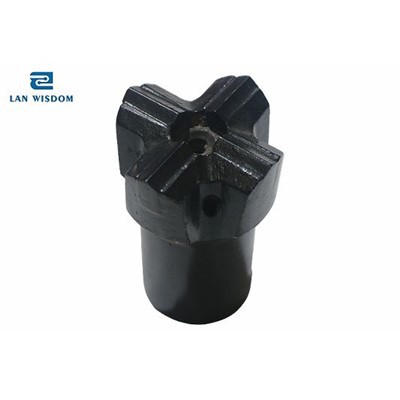
The type of drill bit attached to the steel drill rod is crucial. For concrete block drilling, Chisel Bit and Cross Drill Bit are commonly used. A chisel bit is designed to break through the concrete by chipping away at the material. It is effective for softer concrete blocks. On the other hand, a cross drill bit has multiple cutting edges, which can provide more efficient drilling in harder concrete.
Drilling Equipment
The drilling equipment used in conjunction with the steel drill rod also matters. A high - powered drill with the appropriate speed and torque settings is necessary. A drill with variable speed control allows the operator to adjust the drilling speed according to the hardness of the concrete block. For example, slower speeds are often required for harder concrete to prevent overheating and excessive wear on the drill bit.
Drilling Technique
Proper drilling technique is essential. The operator should apply consistent pressure while drilling, and avoid applying too much force, which can cause the drill bit to break or the drill rod to bend. It is also important to keep the drill bit cool during the drilling process. This can be achieved by using a water - cooling system or by periodically pausing the drilling to allow the bit to cool down.
Advantages of Using a Steel Drill Rod for Concrete Block Drilling
- Cost - effective: Steel drill rods are generally more affordable compared to some specialized drilling tools. They offer a good balance between cost and performance, making them a popular choice for many construction projects.
- Versatility: A steel drill rod can be used with different types of drill bits, allowing it to adapt to various drilling requirements. This versatility makes it suitable for a wide range of applications, not just concrete block drilling.
- Durability: The high - quality steel used in the drill rod ensures long - term use. With proper maintenance, a steel drill rod can withstand multiple drilling operations, reducing the need for frequent replacements.
Limitations and Challenges
- Wear and Tear: Drilling in concrete blocks can cause significant wear on the drill bit and the drill rod. The hard aggregates in the concrete can quickly dull the cutting edges of the drill bit, and the repeated impact can lead to fatigue in the drill rod.
- Hardness Variations: As mentioned earlier, the hardness of concrete blocks can vary widely. Some extremely hard concrete blocks may require more powerful drilling equipment and specialized drill bits, which may limit the effectiveness of a standard steel drill rod.
Maintenance and Care
To ensure the longevity and performance of the steel drill rod when drilling in concrete blocks, proper maintenance is crucial.
- Cleaning: After each use, the drill rod should be cleaned to remove any concrete debris. This can prevent the build - up of material, which can affect the drilling performance.
- Inspection: Regularly inspect the drill rod for signs of wear, such as cracks or bends. If any damage is detected, the drill rod should be replaced immediately to avoid safety issues.
- Lubrication: Applying a suitable lubricant to the drill rod can reduce friction during drilling, which helps to extend the life of the drill bit and the drill rod.
Conclusion
In conclusion, a steel drill rod can be a viable option for drilling in concrete blocks, provided that the right drill bit is selected, the appropriate drilling equipment is used, and proper drilling techniques are employed. While there are some limitations and challenges, the cost - effectiveness, versatility, and durability of steel drill rods make them a popular choice for many construction projects.
If you are interested in purchasing high - quality Steel Drill Rod for your concrete block drilling needs, please feel free to contact us for further discussion and procurement. We are committed to providing you with the best products and services to meet your specific requirements.
References
- "Drilling Techniques in Construction Materials", Construction Industry Research Institute.
- "Properties of Steel Alloys for Drilling Tools", Journal of Materials Science and Engineering.