Hey there! As a supplier of pneumatic picks, I'm super stoked to share with you how these amazing tools work. Pneumatic picks are a staple in many industries, from construction to mining, and understanding their inner workings can help you make the most of them. So, let's dive in!
First off, what exactly is a pneumatic pick? Well, it's a powerful hand-held tool that uses compressed air to generate high-impact blows. These blows are used to break up or remove various materials like concrete, rock, asphalt, and more. It's like having a mini jackhammer in your hands!
Now, let's get to the nitty-gritty of how it all works. At the heart of a pneumatic pick is the air motor. The air motor is responsible for converting the energy from the compressed air into mechanical motion. This motion is then transferred to the pick's chisel or bit, which does the actual work of breaking up the material.
Here's a step-by-step breakdown of the process:
1. Air Supply
The first step is to connect the pneumatic pick to a compressed air source. This is usually done using an air hose. The compressed air is typically supplied by an air compressor, which can be either stationary or portable depending on the application.
2. Inlet Valve
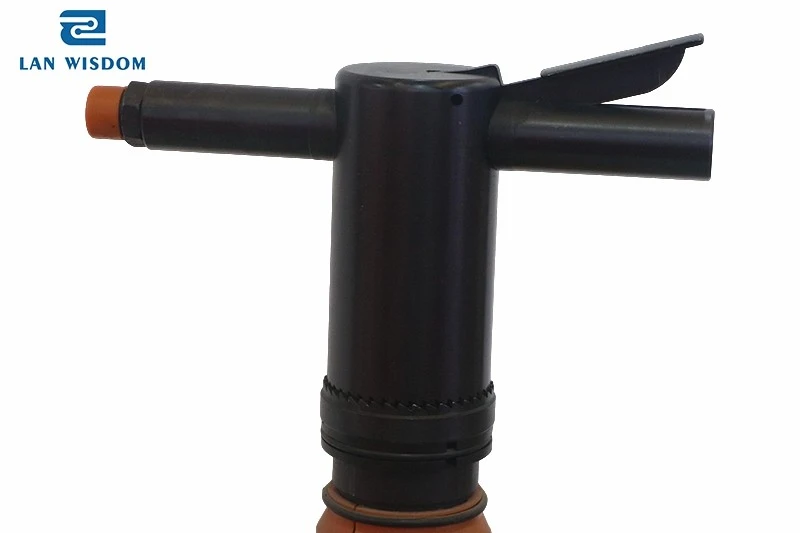
Once the air is connected, it enters the pneumatic pick through an inlet valve. The inlet valve controls the flow of air into the tool. When the trigger on the pick is pulled, the inlet valve opens, allowing compressed air to enter the air motor.
3. Air Motor
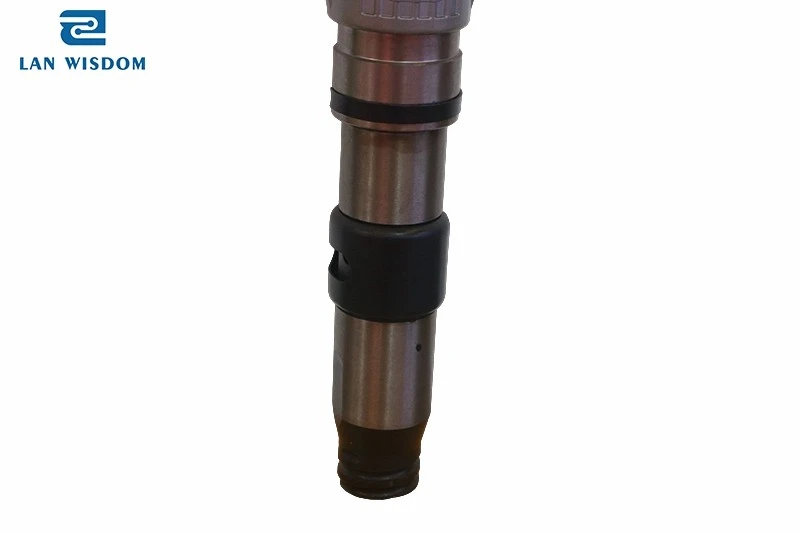
The air motor is a vital part of the pneumatic pick. It consists of a piston and a cylinder. When the compressed air enters the air motor, it pushes the piston back and forth inside the cylinder. This back-and-forth motion is what generates the power needed to drive the pick's chisel.
4. Hammering Mechanism
As the piston moves back and forth, it strikes a hammer or striker. The hammer then transfers the impact force to the chisel or bit at the end of the pick. This high-impact blow is what breaks up the material you're working on.
5. Exhaust
After the air has done its job in the air motor, it needs to be released. This is where the exhaust system comes in. The exhaust ports allow the used air to escape from the tool, creating a continuous cycle.
6. Chisel or Bit
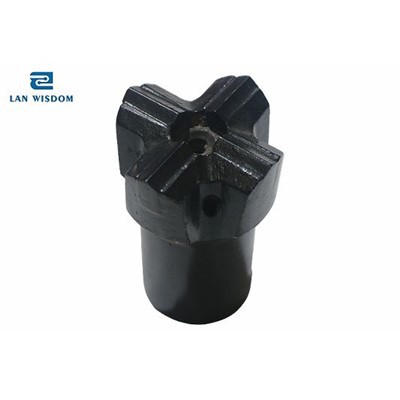
The chisel or bit is the part of the pneumatic pick that comes into direct contact with the material. There are different types of chisels and bits available, each designed for specific applications. For example, a pointed chisel is great for breaking up hard materials like rock, while a flat chisel is better for removing asphalt or concrete surfaces.
One of the great things about pneumatic picks is their versatility. They can be used in a wide range of applications, from small DIY projects to large-scale industrial operations. Whether you're a professional contractor or a weekend warrior, there's a pneumatic pick out there that's perfect for you.
Here at our company, we offer a variety of pneumatic picks to suit different needs. For instance, the G15 Air Pick is a popular choice for light to medium-duty applications. It's lightweight and easy to handle, making it great for tasks like removing tile or small concrete slabs.
If you need a bit more power, the G20 Air Pick is a great option. It's designed for heavier-duty work, such as breaking through thick concrete or rock. With its high-impact force, it can get the job done quickly and efficiently.
And for those really tough jobs, we have the G10 Air Pick. This is our top-of-the-line model, built to handle the most demanding applications. Whether you're working in a mining operation or a large construction site, the G10 Air Pick won't let you down.
In addition to their power and versatility, pneumatic picks also have several other advantages. They're relatively easy to maintain, with fewer moving parts compared to other types of tools. This means less downtime and lower maintenance costs in the long run.
They're also more environmentally friendly than some other options. Since they run on compressed air, they don't produce any emissions, making them a great choice for indoor or enclosed spaces.
So, if you're in the market for a pneumatic pick, we've got you covered. Our team of experts is here to help you choose the right tool for your needs. Whether you're a seasoned professional or just starting out, we can provide you with all the information and support you need.
If you're interested in learning more or want to discuss your specific requirements, feel free to reach out. We're always happy to have a chat and help you find the perfect pneumatic pick for your project.
References
- Pneumatic Tool Handbook
- Air Compression and its Applications
So, what are you waiting for? Let's get your next project off to a great start with a high-quality pneumatic pick from us!