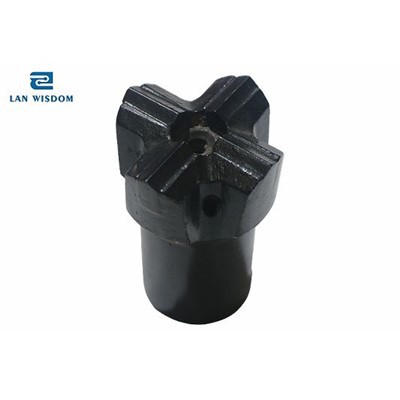
Maintaining button bits is crucial for ensuring their longevity, efficiency, and overall performance in rock drilling operations. As a button bit supplier, I understand the significance of proper maintenance in maximizing the value of these essential tools. In this blog post, I will share some valuable insights and practical tips on how to maintain button bits effectively.
Understanding Button Bits
Before delving into maintenance strategies, it's essential to have a basic understanding of button bits. Button Bit are specialized cutting tools used in various rock drilling applications, such as mining, construction, and quarrying. They are typically made of high-quality steel bodies with tungsten carbide buttons embedded on the cutting surface. These buttons are designed to withstand the extreme forces and abrasion encountered during drilling, making them highly durable and efficient.
Importance of Maintenance
Proper maintenance of button bits offers several benefits, including:
- Extended Lifespan: Regular maintenance helps prevent premature wear and damage to the button bits, extending their lifespan and reducing the frequency of replacements.
- Improved Performance: Well-maintained button bits provide better cutting efficiency, resulting in faster drilling speeds and reduced energy consumption.
- Cost Savings: By maximizing the lifespan and performance of button bits, maintenance can significantly reduce operational costs associated with tool replacement and downtime.
- Enhanced Safety: Properly maintained button bits are less likely to malfunction or break during drilling, reducing the risk of accidents and injuries.
Maintenance Tips
Here are some practical tips on how to maintain button bits effectively:


1. Inspection
Regular inspection is the first step in maintaining button bits. Before and after each use, carefully examine the button bits for any signs of wear, damage, or abnormal conditions. Look for the following:
- Button Wear: Check the tungsten carbide buttons for signs of wear, such as chipping, cracking, or excessive abrasion. Replace any worn or damaged buttons promptly to prevent further damage to the bit.
- Body Damage: Inspect the steel body of the button bit for cracks, dents, or other forms of damage. Damaged bodies can compromise the structural integrity of the bit and affect its performance.
- Thread Condition: Examine the threads on the button bit for signs of wear or damage. Proper thread engagement is essential for secure attachment to the Steel Drill Rod and efficient power transmission.
2. Cleaning
Cleaning the button bits after each use is essential to remove dirt, debris, and rock particles that can accumulate on the cutting surface and body. Use a wire brush or compressed air to clean the buttons and body thoroughly. Avoid using abrasive cleaners or solvents that can damage the tungsten carbide buttons or the steel body.
3. Lubrication
Proper lubrication is crucial for reducing friction and wear between the button bits and the rock formation. Apply a high-quality lubricant to the cutting surface and threads of the button bit before each use. This will help improve cutting efficiency, extend the lifespan of the buttons, and prevent corrosion.
4. Storage
Proper storage is essential for protecting button bits from damage and corrosion when not in use. Store the button bits in a dry, clean, and well-ventilated area away from moisture, chemicals, and extreme temperatures. Use a dedicated storage rack or case to keep the button bits organized and prevent them from coming into contact with each other.
5. Reconditioning
Over time, button bits may experience wear and damage that can affect their performance. Reconditioning the button bits by reshaping the buttons, sharpening the cutting edges, and repairing any damage can restore their functionality and extend their lifespan. Consider working with a professional reconditioning service to ensure the best results.
6. Operator Training
Proper operator training is essential for ensuring the correct use and maintenance of button bits. Train operators on the proper drilling techniques, including the correct rotation speed, feed pressure, and flushing rate. Encourage operators to report any issues or abnormalities with the button bits immediately to prevent further damage.
Common Maintenance Mistakes to Avoid
In addition to following the maintenance tips outlined above, it's important to avoid common maintenance mistakes that can compromise the performance and lifespan of button bits. Here are some common mistakes to avoid:
- Overloading: Avoid overloading the button bits by applying excessive feed pressure or rotation speed. Overloading can cause premature wear and damage to the buttons and body.
- Using the Wrong Bit: Using the wrong type of button bit for the specific rock formation or drilling application can result in poor performance and premature wear. Make sure to select the appropriate button bit based on the rock hardness, drilling conditions, and desired results.
- Neglecting Maintenance: Neglecting regular maintenance can lead to premature wear, damage, and failure of the button bits. Make sure to establish a regular maintenance schedule and follow it consistently.
- Improper Storage: Storing the button bits in a damp or dirty environment can cause corrosion and damage to the buttons and body. Make sure to store the button bits in a dry, clean, and well-ventilated area.
Conclusion
Maintaining button bits is essential for ensuring their longevity, efficiency, and overall performance in rock drilling operations. By following the maintenance tips outlined in this blog post, you can extend the lifespan of your button bits, improve their performance, and reduce operational costs. Remember to inspect, clean, lubricate, store, and recondition your button bits regularly, and provide proper operator training to ensure the correct use and maintenance of these essential tools.
If you have any questions or need further information on button bit maintenance or would like to discuss your specific drilling needs, please feel free to contact me. I am here to help you find the best solutions for your rock drilling operations.
References
- Smith, J. (2020). Rock Drilling Tools: A Comprehensive Guide. Publisher Name.
- Johnson, R. (2019). Maintenance Best Practices for Drilling Equipment. Journal of Drilling Technology, 25(3), 45-52.
- Brown, A. (2018). The Importance of Proper Tool Selection in Rock Drilling. International Journal of Mining and Minerals Engineering, 12(2), 78-85.