Hey there! I'm a supplier of Steel Drill Rod, and I know how frustrating it can be when these rods start to rust. Rust not only affects the appearance of the drill rods but also their performance and lifespan. In this blog, I'll share some practical tips on how to prevent a steel drill rod from rusting.
Understanding Why Steel Drill Rods Rust
Before we dive into the prevention methods, it's important to understand why steel drill rods rust in the first place. Rust is basically the result of a chemical reaction called oxidation. When steel, which is an alloy of iron and carbon, comes into contact with oxygen and moisture, it forms iron oxide – that reddish - brown stuff we call rust.
Drill rods are often used in tough environments. They might be exposed to water, humidity, or even chemicals. For example, in mining operations, they can be in contact with wet soil, groundwater, or acidic substances that speed up the rusting process.
Keep the Drill Rods Clean
One of the simplest yet most effective ways to prevent rust is to keep the drill rods clean. After each use, make sure to remove any dirt, debris, or residue from the surface of the rod. You can use a wire brush or a cloth to wipe it down. If there are stubborn stains or contaminants, you might need to use a mild detergent and water solution. Just make sure to dry the rod thoroughly afterward.
Let's say you've been using a Steel Drill Rod in a construction site where there's a lot of dust and mud. Once you're done, take a few minutes to clean it. This simple step can go a long way in preventing rust from forming.
Apply a Protective Coating
Another great way to prevent rust is by applying a protective coating to the drill rod. There are several types of coatings available, such as paint, oil, and wax.
- Paint: A good quality paint can create a barrier between the steel and the environment. It's important to choose a paint that's suitable for metal surfaces and can withstand the conditions the drill rod will be exposed to. For example, if the rod will be used outdoors, you'll need a paint that's resistant to UV rays and weathering.
- Oil: Applying a thin layer of oil to the drill rod can also prevent rust. Oil helps to displace moisture and create a protective film on the surface. You can use machine oil, mineral oil, or even WD - 40. Just make sure to apply it evenly and wipe off any excess.
- Wax: Wax coatings are also effective in preventing rust. They provide a smooth, protective layer that repels water and dirt. You can use a commercial wax product designed for metal surfaces or even car wax in a pinch.
Store the Drill Rods Properly
Proper storage is crucial in preventing rust. Here are some storage tips:
- Keep them dry: Store the drill rods in a dry place. If possible, use a storage facility with a controlled environment, such as a warehouse with dehumidifiers. Avoid storing them in areas prone to flooding or high humidity, like basements or near water sources.
- Use racks or stands: Instead of just piling the drill rods on the ground, use racks or stands to keep them off the floor. This allows air to circulate around the rods and helps to prevent moisture from accumulating.
- Separate from other materials: Make sure to store the drill rods separately from other materials that might cause corrosion. For example, don't store them next to wet wood or chemicals that could react with the steel.
Use Desiccants
Desiccants are substances that absorb moisture from the air. You can place desiccant packs in the storage area with the drill rods. Silica gel is a common desiccant that's widely available. These packs can help to keep the air around the drill rods dry and reduce the risk of rust.
Regular Inspections
Regularly inspect the drill rods for any signs of rust or damage. Catching rust early can prevent it from spreading and causing more serious problems. If you notice any small rust spots, you can use a wire brush to remove them and then apply a protective coating.
Consider Galvanization
Galvanization is a process where a layer of zinc is applied to the steel drill rod. Zinc is more reactive than iron, so it corrodes first, protecting the underlying steel. Galvanized drill rods are more resistant to rust and can last longer in harsh environments. If you're in an area with high humidity or where the drill rods will be exposed to water frequently, galvanized rods might be a good option.
Use Rust - Inhibiting Additives
There are rust - inhibiting additives available that you can add to the lubricants or coolants used with the drill rod. These additives can help to prevent rust from forming on the surface of the rod during operation. They work by creating a protective film on the metal surface and reducing the chemical reactions that lead to rust.


Match the Drill Rod with the Right Drill Bit
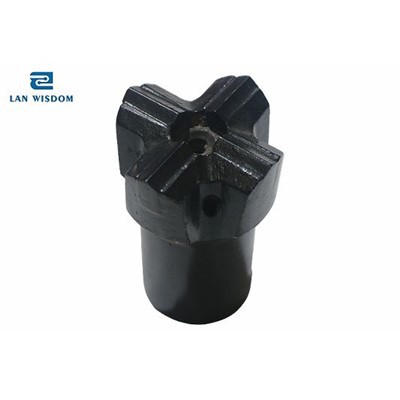
Using the right drill bit can also have an impact on the lifespan and rust - resistance of the drill rod. For example, X Drill Bit and Cross Drill Bit are designed to work efficiently with steel drill rods. When the drill bit is properly matched with the rod, it reduces the stress on the rod, which can in turn reduce the risk of damage and rust.
Conclusion
Preventing a steel drill rod from rusting is all about taking a proactive approach. By keeping the rods clean, applying protective coatings, storing them properly, and using the right techniques and products, you can significantly extend their lifespan and keep them in good working condition.
If you're in the market for high - quality Steel Drill Rods or have any questions about rust prevention, I'd love to hear from you. Whether you're a contractor, a miner, or just someone in need of a reliable drill rod, I can provide you with the best products and advice. Feel free to reach out to start a conversation about your needs.
References
- "Corrosion of Metals: Causes and Prevention" - A basic guide on metal corrosion and how to stop it.
- "Best Practices for Storing Metal Tools" - A resource that provides tips on proper storage to prevent rust.
- "Galvanization: A Solution for Rust - Prone Metals" - An article explaining the process and benefits of galvanization.