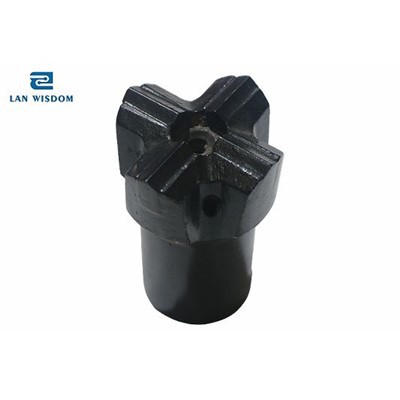
Steel drill rods are essential tools in various industries, known for their durability, strength, and versatility. As a leading supplier of steel drill rods, I have witnessed firsthand the wide range of applications these remarkable tools serve. In this blog post, I will explore the diverse uses of steel drill rods across different sectors, highlighting their importance and the benefits they offer.
Mining Industry
The mining industry is one of the primary consumers of steel drill rods. In mining operations, drill rods are used to create holes in the earth's crust for various purposes, such as exploration, blasting, and ore extraction.
Exploration Drilling
During the exploration phase, geologists use drill rods to collect core samples from the ground. These samples provide valuable information about the composition of the rock, the presence of minerals, and the potential for ore deposits. Steel drill rods are preferred for this application because they can withstand the high pressures and abrasive forces encountered during drilling in hard rock formations. The ability to extract long, continuous core samples is crucial for accurate geological analysis, and steel drill rods offer the strength and stability needed to achieve this.
Blasting
In open-pit and underground mining, drill rods are used to drill blast holes. These holes are filled with explosives, which are then detonated to break up large rock masses. The size and depth of the blast holes depend on the type of rock, the mining method, and the desired fragmentation. Steel drill rods are capable of drilling deep, straight holes with precision, ensuring that the explosives are placed in the optimal position for efficient rock fragmentation. This helps to reduce the amount of energy required for blasting and minimize the environmental impact of mining operations.
Ore Extraction
Once the ore has been blasted, it needs to be extracted from the mine. In some cases, drill rods are used to create holes for the installation of rock bolts or other support systems to stabilize the mine walls and prevent collapses. In other cases, drill rods are used in conjunction with drilling rigs to extract the ore directly from the ground. For example, in diamond drilling, a diamond-tipped drill bit is attached to the end of the drill rod to cut through the rock and extract a core sample. The core sample is then analyzed to determine the quality and quantity of the ore.
Construction Industry
The construction industry also relies heavily on steel drill rods for a variety of applications. From building foundations to road construction, drill rods play a crucial role in ensuring the stability and durability of structures.
Foundation Drilling
When constructing buildings, bridges, or other large structures, it is essential to have a solid foundation. Steel drill rods are used to drill holes for the installation of foundation piles, which transfer the weight of the structure to the underlying soil or rock. The type of drill rod used depends on the soil conditions, the depth of the foundation, and the load-bearing capacity required. In soft soil, a larger diameter drill rod may be used to create a wider hole for the pile. In hard rock, a smaller diameter drill rod with a more powerful drilling rig may be necessary to penetrate the rock.
Tunneling
Tunneling is a complex and challenging construction process that requires specialized equipment and techniques. Steel drill rods are used in tunneling to create holes for the installation of rock bolts, shotcrete, and other support systems. These support systems help to stabilize the tunnel walls and prevent collapses. Drill rods are also used to drill holes for the placement of explosives in tunnel blasting operations. The ability to drill accurately and efficiently in hard rock is essential for the success of tunneling projects, and steel drill rods offer the performance and reliability needed to meet these challenges.


Road Construction
In road construction, drill rods are used to create holes for the installation of guardrails, traffic signs, and other infrastructure. They are also used to drill holes for the placement of dowel bars in concrete pavements, which help to transfer the load between adjacent concrete slabs and prevent cracking. Steel drill rods are preferred for these applications because they can drill through a variety of materials, including asphalt, concrete, and rock, with minimal damage to the surrounding area.
Geotechnical Engineering
Geotechnical engineering is the branch of engineering that deals with the behavior of soil and rock under various conditions. Steel drill rods are used in geotechnical investigations to collect soil and rock samples for testing and analysis. These samples provide valuable information about the soil's properties, such as its strength, density, and permeability, which are essential for designing safe and stable structures.
Soil Sampling
In soil sampling, drill rods are used to extract undisturbed soil samples from the ground. These samples are then analyzed in the laboratory to determine the soil's physical and mechanical properties. The type of drill rod used depends on the soil type and the depth of the sample. For example, in soft soils, a thin-walled tube sampler may be attached to the end of the drill rod to collect a continuous soil sample. In hard soils or rock, a core barrel may be used to extract a cylindrical core sample.
Rock Sampling
In rock sampling, drill rods are used to collect core samples from rock formations. These samples are then analyzed to determine the rock's strength, durability, and other properties. The type of drill rod used depends on the rock type and the depth of the sample. For example, in hard rock, a diamond-tipped drill bit may be attached to the end of the drill rod to cut through the rock and extract a core sample. In softer rock, a carbide-tipped drill bit may be used.
Oil and Gas Industry
The oil and gas industry is another major user of steel drill rods. In oil and gas exploration and production, drill rods are used to drill wells for the extraction of oil and gas from the ground.
Exploration Drilling
During the exploration phase, drill rods are used to drill exploratory wells to determine the presence and extent of oil and gas reserves. These wells are typically drilled to great depths, often exceeding several thousand meters. Steel drill rods are preferred for this application because they can withstand the high pressures, temperatures, and corrosive environments encountered in deep drilling operations. The ability to drill accurately and efficiently in challenging conditions is essential for the success of oil and gas exploration projects, and steel drill rods offer the performance and reliability needed to meet these challenges.
Production Drilling
Once oil and gas reserves have been discovered, drill rods are used to drill production wells to extract the oil and gas from the ground. These wells are typically drilled to a shallower depth than exploratory wells and are designed to produce oil and gas over a long period of time. Steel drill rods are used in production drilling to create holes for the installation of casing, tubing, and other equipment. The type of drill rod used depends on the wellbore diameter, the depth of the well, and the type of formation being drilled.
Other Applications
In addition to the industries mentioned above, steel drill rods are also used in a variety of other applications, including:
Water Well Drilling
Steel drill rods are used to drill water wells to access groundwater sources. These wells are typically drilled to a depth of several hundred meters and are used for domestic, agricultural, and industrial purposes. The type of drill rod used depends on the soil and rock conditions, the depth of the well, and the diameter of the wellbore.
Quarrying
In quarrying operations, drill rods are used to drill holes for the placement of explosives to break up large rock masses. The rock is then crushed and processed into various products, such as aggregates, sand, and gravel. Steel drill rods are preferred for this application because they can drill through hard rock formations with ease and provide the precision and accuracy needed for efficient quarrying operations.
Manufacturing
Steel drill rods are used in manufacturing processes to drill holes in various materials, such as metal, plastic, and wood. These holes are used for a variety of purposes, such as assembly, fastening, and ventilation. The type of drill rod used depends on the material being drilled, the size and depth of the hole, and the required precision.
Conclusion
As a supplier of steel drill rods, I am proud to offer high-quality products that meet the diverse needs of our customers across various industries. The applications of steel drill rods are vast and varied, ranging from mining and construction to geotechnical engineering and oil and gas exploration. Their strength, durability, and versatility make them an essential tool in many industrial processes.
If you are in need of steel drill rods for your business, I encourage you to [contact us for procurement and further discussion]. Our team of experts is ready to assist you in selecting the right drill rods for your specific application and providing you with the support and service you need to ensure the success of your projects.
References
- "Drilling and Blasting in Mines" by International Society for Explosives Engineers
- "Geotechnical Engineering Handbook" by H. Bolton Seed
- "Oil and Gas Drilling Engineering" by John P. Gates