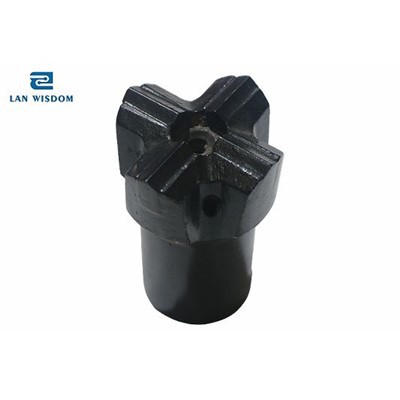
Hey there! As a drill rig supplier, I often get asked about the dust emission level of drill rigs during operation. It's a crucial topic, especially considering the environmental impact and the health of the workers on-site. So, let's dive right in and explore what the dust emission level of a drill rig during operation really means.
First off, what causes dust emissions in a drill rig? Well, when a drill rig is in action, it's essentially breaking up the ground. Whether it's rock, soil, or some other material, this process creates tiny particles that get thrown into the air. These particles are what we call dust. The amount of dust generated can vary depending on several factors.
One of the main factors is the type of drill rig. For instance, a Disc Drill Rig has its own unique way of operating. It uses discs to cut through the ground, and this cutting action can produce a certain amount of dust. The design of the drill rig plays a big role here. Some drill rigs are more enclosed, which can help contain the dust to some extent. Others might have open structures that allow more dust to escape into the environment.
The nature of the material being drilled is another significant factor. If you're drilling through soft, sandy soil, you're likely to generate less dust compared to drilling through hard rock. Hard rock drilling requires more force, and as the drill bit grinds against the rock, it shatters the material into smaller pieces, creating a larger amount of dust.
The drilling speed also affects dust emissions. When a drill rig operates at a high speed, it can create more dust. This is because the faster the drill bit moves, the more force it applies to the material, causing more particles to be dislodged. On the other hand, a slower drilling speed might result in less dust, but it could also mean a longer drilling time.
Now, let's talk about measuring the dust emission level. There are several methods to do this. One common way is to use dust monitors. These devices are placed near the drill rig to measure the concentration of dust particles in the air. They can provide real - time data on how much dust is being emitted. Another method is to take air samples and analyze them in a laboratory. This can give a more accurate picture of the types of particles present in the dust and their sizes.
Why is it important to know the dust emission level? Well, from an environmental perspective, excessive dust emissions can have a negative impact on the surrounding area. Dust can settle on plants, reducing their ability to photosynthesize. It can also contaminate water sources and affect the quality of the air. For the workers on-site, high dust levels can be a serious health hazard. Inhaling dust particles can lead to respiratory problems such as asthma, bronchitis, and even more severe conditions like silicosis.
So, what can be done to control the dust emission level of a drill rig? There are several measures that can be taken. One of the most effective ways is to use dust suppression systems. These systems can spray water or other liquids onto the drilling area. The liquid helps to weigh down the dust particles, preventing them from becoming airborne. Some drill rigs are also equipped with filters that can trap dust particles before they are released into the environment.
Proper maintenance of the drill rig is also crucial. A well - maintained drill rig is less likely to generate excessive dust. This includes regularly checking and replacing worn - out drill bits, as a dull drill bit can create more dust during the drilling process.
As a drill rig supplier, we understand the importance of keeping dust emissions in check. That's why we offer a range of drill rigs that are designed with dust control in mind. Our Disc Drill Rig, for example, has features that help reduce dust emissions. It has an optimized design that minimizes the amount of material that gets thrown into the air during operation.
If you're in the market for a drill rig, it's essential to consider the dust emission level. You don't want to end up with a drill rig that causes environmental problems or puts your workers' health at risk. When you choose our drill rigs, you can be confident that you're getting a product that meets high environmental and safety standards.
We also provide support and advice on how to further reduce dust emissions. Our team of experts can help you set up dust suppression systems and maintain your drill rig properly. We believe that by working together, we can make the drilling process more sustainable and safer for everyone involved.


If you're interested in learning more about our drill rigs and how they can help you manage dust emissions, don't hesitate to reach out. We're always ready to have a chat and discuss your specific needs. Whether you're a small - scale contractor or a large - scale mining company, we have the right drill rig for you.
In conclusion, the dust emission level of a drill rig during operation is influenced by many factors, including the type of drill rig, the material being drilled, and the drilling speed. Measuring and controlling dust emissions is crucial for environmental protection and worker health. As a drill rig supplier, we're committed to providing high - quality drill rigs that minimize dust emissions. So, if you're looking for a reliable drill rig, give us a shout, and let's start a conversation about your drilling needs.
References
- "Dust Control in Mining and Quarrying Operations" - A technical report on dust management in the mining industry.
- "Health Effects of Dust Exposure" - A study on the impact of dust inhalation on human health.