Hey there! As a button bit supplier, I often get asked about the wear rate of button bits. It's a crucial topic, especially for those in the drilling industry. So, let's dive right in and explore what the wear rate of button bits really means.
What Are Button Bits?
First off, for those who might not be too familiar, button bits are essential tools in rock drilling. They're used in various applications, from mining to construction. These bits have buttons on the face, which are made of hard materials like tungsten carbide. These buttons are what do the actual cutting and grinding when drilling into rock.
Understanding Wear Rate
The wear rate of button bits refers to how quickly the buttons on the bit wear down during the drilling process. It's measured in different ways, but a common metric is the amount of material lost over a certain period of drilling or a specific distance drilled.
There are several factors that can affect the wear rate of button bits. One of the most significant factors is the type of rock being drilled. Harder rocks, like granite, will cause more wear on the buttons compared to softer rocks like limestone. The hardness of the rock determines how much force the buttons need to apply to break through it, and the more force, the more wear and tear.
Another factor is the drilling parameters. The rotation speed, feed rate, and pressure applied during drilling all play a role in the wear rate. If the rotation speed is too high or the feed rate is too fast, it can cause excessive wear on the buttons. On the other hand, if the pressure is too low, the bit might not cut efficiently, leading to uneven wear.
The quality of the button bit itself also matters. High - quality button bits made with better materials and manufacturing processes tend to have a lower wear rate. At our company, we take pride in providing button bits that are made with top - notch tungsten carbide buttons and are designed to withstand the rigors of drilling.
Measuring Wear Rate
Measuring the wear rate of button bits can be a bit tricky. One common method is to measure the change in the height of the buttons before and after drilling. You can use a caliper or a micrometer to get accurate measurements. Another way is to weigh the bit before and after drilling. The difference in weight can give you an idea of how much material has been lost due to wear.
Some advanced techniques involve using 3D scanning to create a detailed model of the bit before and after drilling. This allows for a more precise analysis of the wear pattern and the amount of material lost.
Impact of Wear Rate on Drilling
A high wear rate can have a significant impact on the drilling process. Firstly, it means that the bit needs to be replaced more frequently. This not only increases the cost of drilling but also leads to downtime as the bit is being changed. In a mining or construction project, downtime can be extremely costly, as it can delay the entire operation.
Secondly, a worn - out bit may not drill as efficiently. The buttons may not be able to cut through the rock as effectively, which can lead to slower drilling speeds and poor hole quality. This can affect the overall productivity of the project.
Reducing Wear Rate
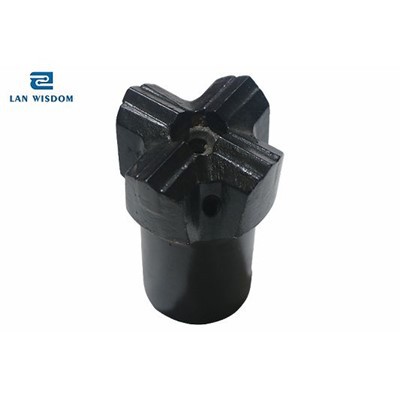
There are several ways to reduce the wear rate of button bits. One is to choose the right bit for the job. If you're drilling in a hard rock formation, you'll need a bit with harder buttons and a more robust design. Our company offers a wide range of button bits, including Cross Drill Bit and X Drill Bit, which are designed for different types of rock and drilling conditions.
Proper maintenance of the bit is also crucial. Regularly cleaning the bit and checking for signs of wear can help identify problems early on. You can also use lubricants during drilling to reduce friction and wear.
Another important aspect is to optimize the drilling parameters. By adjusting the rotation speed, feed rate, and pressure, you can ensure that the bit is operating at its most efficient level, which can help reduce wear.
Our Products and Services
As a button bit supplier, we're committed to providing high - quality products. Our button bits are made with the latest technology and the best materials. We also offer Steel Drill Rod to complement our button bits, ensuring a complete drilling solution.
We understand that every drilling project is unique, and we're here to help you choose the right products for your specific needs. Whether you're a small construction company or a large mining operation, we have the expertise and the products to support you.
Why Choose Us?
- Quality Assurance: Our button bits undergo strict quality control measures to ensure they meet the highest standards.
- Expert Advice: Our team of experts is always available to provide advice on choosing the right bit and optimizing your drilling process.
- Competitive Pricing: We offer competitive prices without compromising on quality.
Get in Touch
If you're interested in purchasing button bits or have any questions about our products, don't hesitate to reach out. We're here to help you with all your drilling needs. Whether you're looking for a specific type of bit or need advice on reducing wear rate, we've got you covered.


References
- Rock Drilling Handbook, Various Authors
- Journal of Drilling Technology, Multiple Issues
- Industry Reports on Drilling Equipment and Materials