As an airleg drill supplier, I often get asked if our airleg drills can be used in high - altitude areas. It's a valid question, considering the unique environmental conditions at high altitudes. Let's dig into this topic and find out if our airleg drills are up for the challenge.

Understanding High - Altitude Conditions
First off, high - altitude areas come with a set of distinct environmental factors. The most significant one is the lower air pressure. As you go higher, the air becomes thinner, which means there's less oxygen and lower air density. This can have a big impact on how machinery, including airleg drills, operates.
Another factor is the temperature. High - altitude regions can be extremely cold, especially at night. Cold temperatures can affect the performance of the drill's components, like the lubricants and the metal parts. Also, the terrain in high - altitude areas is often rough and rocky, which puts extra stress on the drill.
How Airleg Drills Work
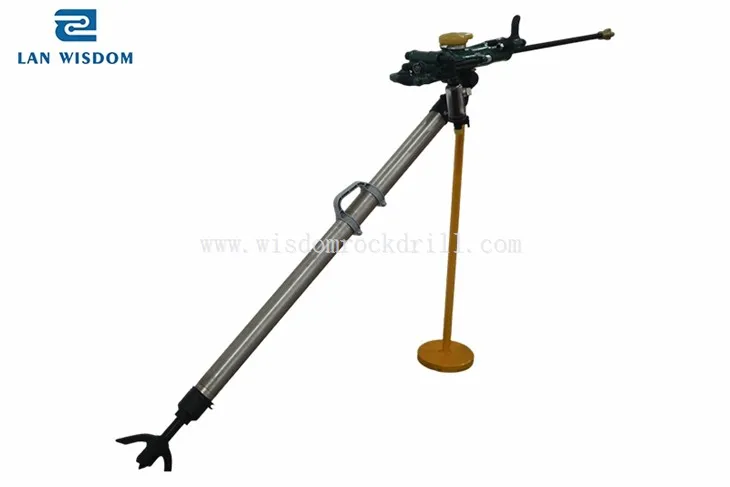
Before we discuss their performance at high altitudes, let's quickly go over how airleg drills work. These drills use compressed air to power the drilling mechanism. The air is fed into the drill through a hose, and it drives a piston that moves back and forth, creating the drilling action. The airleg provides support and stability during the drilling process.
Impact of High - Altitude Conditions on Airleg Drills
Air Pressure
The lower air pressure at high altitudes can be a real problem for airleg drills. Since the drills rely on compressed air, the reduced air density means that there's less air available to power the drill. This can lead to a decrease in the drill's performance. The drill may not be able to generate as much power, which means it might take longer to drill through the rock.
Temperature
Cold temperatures can cause the lubricants in the drill to thicken. When the lubricants thicken, they don't flow as easily, which can increase friction between the moving parts. This can lead to more wear and tear on the drill and may even cause it to break down. Additionally, the cold can make the metal parts of the drill more brittle, increasing the risk of cracking.
Terrain
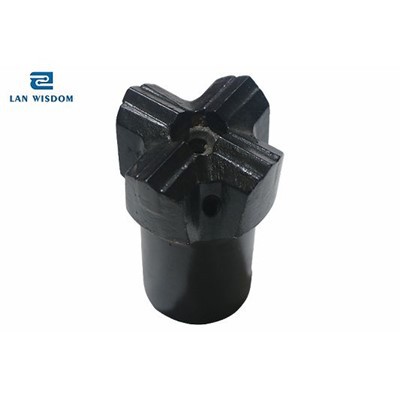
The rough and rocky terrain in high - altitude areas can put a lot of stress on the drill. The drill bit has to work harder to penetrate the tough rock, which can cause it to wear out more quickly. Also, the vibrations from drilling on uneven ground can affect the stability of the drill and its components.
Our Airleg Drills and High - Altitude Performance
At our company, we've designed our airleg drills to handle a variety of conditions, including high - altitude environments. Take our YT24 Air Leg Rock Drill for example. It's built with high - quality materials that can withstand the cold temperatures and the rough terrain. The drill's air system is optimized to work efficiently even in lower air pressure conditions.
The YT30G Air Leg Rock Drill is another great option. It has a powerful motor that can generate enough force to drill through tough rock, even at high altitudes. The drill's design also includes features that help reduce the impact of cold temperatures on its performance.
Our YT28 Rock Drill is known for its durability and reliability. It's been tested in various high - altitude conditions and has proven to be a great choice for drilling in these challenging environments.
Tips for Using Airleg Drills in High - Altitude Areas
If you're planning to use our airleg drills in high - altitude areas, here are some tips to ensure optimal performance:
- Pre - warm the drill: Before starting the drill, let it warm up for a few minutes. This can help the lubricants flow more easily and reduce the risk of damage to the drill.
- Use the right lubricants: Make sure to use lubricants that are designed for cold temperatures. These lubricants will stay fluid even in low temperatures and provide better protection for the drill's components.
- Check the air supply: Ensure that the air supply to the drill is sufficient. You may need to adjust the air pressure or use a larger air compressor to compensate for the lower air density at high altitudes.
- Inspect the drill regularly: Regularly inspect the drill for any signs of wear and tear. Replace any damaged parts immediately to prevent further damage.
Conclusion
So, can an airleg drill be used in high - altitude areas? The answer is yes, but it's important to take into account the unique challenges that high - altitude environments present. Our airleg drills are designed to handle these challenges, but proper maintenance and operation are key to ensuring their performance.
If you're in the market for an airleg drill for high - altitude applications, we'd love to talk to you. Our team of experts can help you choose the right drill for your needs and provide you with all the support you need. Don't hesitate to reach out and start a conversation about your airleg drill requirements.
References
- Engineering textbooks on pneumatic machinery
- Research papers on equipment performance in high - altitude environments