


Adjusting the rotation speed of an airleg drill is a crucial skill for operators in various mining and construction applications. As an airleg drill supplier, we understand the importance of providing our customers with comprehensive knowledge on how to optimize the performance of our products. In this blog post, we will delve into the details of adjusting the rotation speed of an airleg drill, including the factors that affect it, the methods of adjustment, and some practical tips.
Factors Affecting the Rotation Speed of an Airleg Drill
Several factors can influence the rotation speed of an airleg drill. Understanding these factors is essential for making accurate adjustments.
Air Pressure
Air pressure is one of the most significant factors affecting the rotation speed of an airleg drill. The drill relies on compressed air to operate, and the higher the air pressure, the faster the drill will rotate. However, it's important to note that exceeding the recommended air pressure can cause damage to the drill and reduce its lifespan. Most airleg drills have a specified operating air pressure range, typically between 0.4 - 0.6 MPa. Operators should ensure that the air pressure supplied to the drill is within this range.
Bit Type and Size
The type and size of the drill bit also play a role in determining the rotation speed. Different bit types are designed for specific applications, and each has an optimal rotation speed. For example, a larger bit may require a lower rotation speed to prevent overheating and excessive wear. Similarly, a bit with a different cutting geometry may perform better at a specific speed. It's important to choose the right bit for the job and adjust the rotation speed accordingly.
Rock Hardness
The hardness of the rock being drilled is another crucial factor. Softer rocks generally allow for higher rotation speeds, while harder rocks require slower speeds to ensure efficient drilling and prevent bit damage. When drilling in hard rock, it's important to reduce the rotation speed and increase the feed pressure to maintain a steady drilling rate.
Methods of Adjusting the Rotation Speed
There are several ways to adjust the rotation speed of an airleg drill, depending on the model and design of the drill.
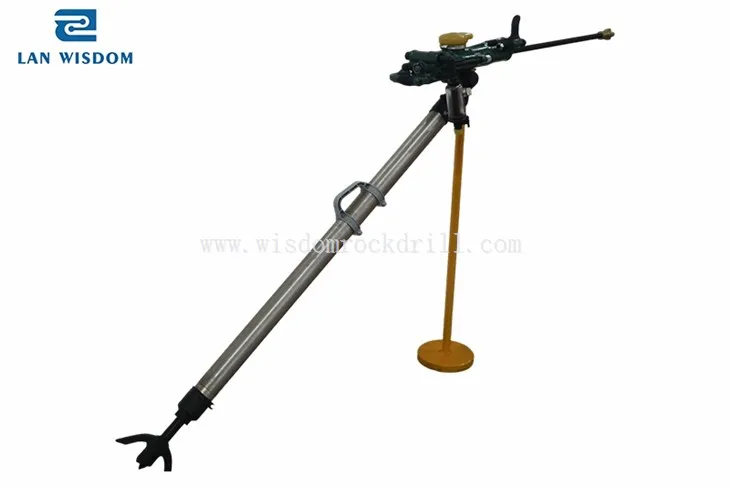

Air Flow Control
Most airleg drills are equipped with an air flow control valve. By adjusting this valve, operators can regulate the amount of compressed air supplied to the drill, which in turn affects the rotation speed. Opening the valve wider allows more air to flow into the drill, increasing the rotation speed, while closing it reduces the air flow and slows down the drill.
Gearbox Adjustment
Some airleg drills are equipped with a gearbox that allows for multiple rotation speeds. Operators can switch between different gears to adjust the rotation speed according to the requirements of the job. This method provides more precise control over the rotation speed and is suitable for a wide range of applications.
Using a Variable Speed Motor
In some advanced airleg drills, a variable speed motor is used to control the rotation speed. This allows for a continuous range of speeds, providing greater flexibility and precision. Operators can adjust the speed using a control panel or a remote control, depending on the design of the drill.
Practical Tips for Adjusting the Rotation Speed
Here are some practical tips to help you adjust the rotation speed of an airleg drill effectively:
Start with a Low Speed
When starting a new drilling operation, it's recommended to start with a low rotation speed. This allows you to assess the rock conditions and make any necessary adjustments before increasing the speed. Starting at a low speed also helps to prevent bit damage and ensures a smooth drilling process.
Monitor the Drilling Performance
During the drilling process, it's important to monitor the performance of the drill. Pay attention to the sound, vibration, and cutting efficiency. If the drill is making excessive noise or vibrating too much, it may indicate that the rotation speed is too high. In this case, reduce the speed and make any necessary adjustments.
Follow the Manufacturer's Recommendations
Always follow the manufacturer's recommendations for operating the airleg drill. The manufacturer provides specific guidelines on the optimal rotation speed, air pressure, and other operating parameters. By following these recommendations, you can ensure the safe and efficient operation of the drill.
Our Airleg Drill Products
As an airleg drill supplier, we offer a wide range of high - quality airleg drills, including the YT24 Air Leg Rock Drill, YT28 Rock Drill, and YT30G Air Leg Rock Drill. These drills are designed to provide reliable performance and are suitable for various mining and construction applications. Our products are equipped with advanced features and technologies to ensure easy operation and precise control of the rotation speed.
Conclusion
Adjusting the rotation speed of an airleg drill is a critical skill that can significantly impact the efficiency and performance of the drilling operation. By understanding the factors that affect the rotation speed, using the appropriate adjustment methods, and following the practical tips, operators can optimize the performance of their airleg drills. If you are in the market for an airleg drill or need more information on adjusting the rotation speed, please feel free to contact us. We are committed to providing our customers with the best products and services.
References
Manufacturer's manuals for airleg drills
Industry standards and guidelines for airleg drill operation


