


Hey there! As a button bit supplier, I often get asked about the vibration level when using button bits. In this blog, I'll share some insights on this topic and how it impacts your drilling operations.
First off, let's understand what button bits are. Button bits are a type of drill bit commonly used in rock drilling. They have small, round buttons on the cutting surface, which are designed to break through hard rock. These bits are known for their durability and efficiency, making them a popular choice in the mining, construction, and quarrying industries.
Now, let's talk about vibration. Vibration is an inevitable part of the drilling process. When a button bit is in use, it creates vibrations as it rotates and cuts through the rock. The level of vibration can vary depending on several factors, including the type of rock, the drilling speed, the bit design, and the drilling equipment.
One of the main factors that affect the vibration level is the type of rock. Different rocks have different hardness and density, which can impact how the button bit interacts with them. For example, drilling through hard granite will typically generate more vibration than drilling through softer limestone. This is because the bit has to work harder to break through the dense and hard rock, resulting in more force and vibration.
The drilling speed also plays a crucial role in determining the vibration level. If the drilling speed is too high, it can cause excessive vibration, which can lead to premature wear and tear on the bit and the drilling equipment. On the other hand, if the drilling speed is too low, it can reduce the efficiency of the drilling process. Therefore, it's important to find the right balance and adjust the drilling speed according to the type of rock and the bit being used.
The design of the button bit itself can also affect the vibration level. Some button bits are designed to reduce vibration by incorporating features such as shock absorbers or special cutting geometries. These features help to dampen the vibrations and improve the overall stability of the bit during drilling. For example, a bit with a more rounded button shape may generate less vibration compared to a bit with a sharp-edged button.
Another factor to consider is the drilling equipment. The quality and condition of the drilling rig, the drill rods, and the other components can all impact the vibration level. A well-maintained and properly calibrated drilling rig will generally produce less vibration compared to an old or poorly maintained one. Additionally, using high-quality drill rods that are designed to reduce vibration can also make a significant difference.
So, why is it important to control the vibration level when using button bits? Well, excessive vibration can have several negative effects. Firstly, it can cause discomfort and fatigue for the operator, which can lead to reduced productivity and safety risks. Secondly, it can increase the wear and tear on the bit and the drilling equipment, which can result in higher maintenance costs and shorter equipment lifespan. Finally, it can also affect the quality of the drilling, leading to uneven holes or poor penetration rates.
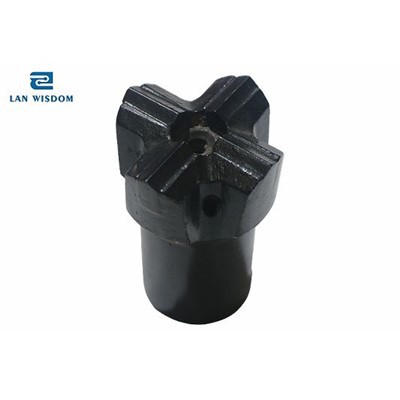
To minimize the vibration level, there are several steps you can take. Firstly, make sure to choose the right button bit for the type of rock you're drilling. Different bits are designed for different rock types, so selecting the appropriate bit can help to reduce vibration. Secondly, adjust the drilling speed and pressure according to the rock conditions. This will help to optimize the drilling process and reduce the amount of vibration generated. Thirdly, use high-quality drilling equipment and maintain it regularly to ensure its proper functioning. Finally, consider using vibration-dampening accessories such as shock absorbers or anti-vibration gloves to further reduce the impact of vibration on the operator.

In addition to button bits, there are other types of drill bits available in the market, such as Chisel Bit, X Drill Bit, and Cross Drill Bit. Each type of bit has its own unique features and advantages, and the choice of bit will depend on the specific drilling requirements.
If you're in the market for button bits or other drill bits, I encourage you to get in touch with us. We're a leading supplier of high-quality button bits and other drilling tools, and we can provide you with the right products and solutions for your drilling needs. Whether you're a small mining operation or a large construction company, we have the expertise and experience to help you achieve your drilling goals.
In conclusion, understanding the vibration level when using button bits is essential for optimizing the drilling process and ensuring the safety and efficiency of your operations. By considering the factors that affect vibration and taking the necessary steps to minimize it, you can improve the performance of your button bits and extend their lifespan. If you have any questions or need further information, don't hesitate to contact us. We're here to help you make the most of your drilling operations.
References
Drilling Handbook, Industry Standard Publication
Rock Mechanics and Drilling Technology, Academic Research Paper


