Hey there! As a drill rig supplier, I often get asked this question: Can a drill rig be used for different types of drilling? Well, the short answer is yes, but there's a lot more to it than that. In this blog post, I'll break down the ins and outs of using a drill rig for various drilling applications.
First off, let's understand what a drill rig is. A drill rig is a machine that creates holes in the earth's subsurface. These holes can be used for a variety of purposes, like extracting oil and gas, getting water, or for construction projects such as building foundations. There are different types of drill rigs out there, each designed with specific features to suit different drilling needs.
One of the most common types of drill rigs is the rotary drill rig. This type uses a rotating drill bit to break through the ground. Rotary drill rigs are pretty versatile and can be used for different types of drilling. For instance, in the oil and gas industry, they're used to drill deep wells. The drill bit rotates at high speeds, grinding through rocks and other materials to reach the oil or gas reserves below. At the same time, in water well drilling, rotary drill rigs can also be used. They're capable of creating holes in different types of soil and rock formations to access groundwater.
Another type is the percussion drill rig. This rig works by repeatedly lifting and dropping a heavy drill bit. It's great for drilling in hard rock areas. The impact of the falling drill bit breaks the rock into smaller pieces, which can then be removed from the hole. Percussion drill rigs can be used in mining operations to drill blast holes or in construction for tasks like installing piles.
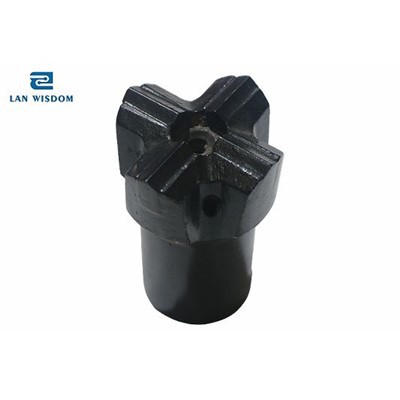
Now, let's talk about the factors that determine whether a drill rig can be used for different types of drilling. The first factor is the drill bit. Different drill bits are designed for different materials. For example, a diamond - tipped drill bit is very effective for drilling through hard rocks like granite. On the other hand, a carbide - tipped drill bit might be more suitable for softer materials. As a drill rig supplier, we offer a wide range of drill bits to ensure that our customers can use their rigs for different applications.
The power of the drill rig is also crucial. If you're drilling a shallow hole in soft soil, a less powerful rig might do the job just fine. But if you're aiming for a deep well in hard rock, you'll need a high - powered drill rig. The power is usually measured in horsepower (HP). A more powerful rig can handle tougher drilling conditions and can drill faster.
The drill rig's mobility is another important aspect. Some drill rigs are designed to be stationary, which is ideal for large - scale projects where the rig can stay in one place for a long time. Other rigs are mobile, like truck - mounted or trailer - mounted drill rigs. These are great for projects that require the rig to be moved frequently, such as in different construction sites around a city.
Let's take a look at some specific examples of how a drill rig can be used in different scenarios. In environmental drilling, drill rigs are used to collect soil and water samples for testing. This helps in assessing the quality of the environment, detecting pollution, and planning remediation projects. Drilling for geothermal energy is another area. Drill rigs are used to create holes to access the earth's heat, which can then be used for heating and cooling buildings.
Now, I want to mention our Disc Drill Rig. This rig is a real workhorse. It combines the latest technology with durability and efficiency. It can be configured to handle different drilling techniques, whether it's rotary or percussion. With the right drill bits and settings, it can drill through various materials, from soft clay to hard limestone. It's also relatively easy to transport, making it suitable for different job sites.
In the construction industry, drill rigs are used for a variety of tasks. They're used for drilling holes for foundation piles, which provide stability for buildings. They can also be used for installing underground utilities, like water pipes and sewer lines. In road construction, drill rigs are used to create holes for traffic signs and guardrails.
When it comes to using a drill rig for different types of drilling, maintenance is key. Regular maintenance ensures that the rig operates at its best and reduces the risk of breakdowns. This includes checking the drill bit for wear, lubricating moving parts, and inspecting the hydraulic and electrical systems. As a drill rig supplier, we offer maintenance services and can provide our customers with the necessary spare parts.
Training is also important. Operators need to be trained on how to use the drill rig safely and effectively, especially when switching between different types of drilling. We offer training programs for our customers to make sure that their operators are well - equipped to handle any drilling task.
In conclusion, a drill rig can definitely be used for different types of drilling. With the right drill bits, proper power, mobility, and maintenance, a single drill rig can serve multiple purposes in various industries. Whether you're in the oil and gas sector, construction, environmental science, or any other field that requires drilling, there's a drill rig solution for you.
If you're interested in purchasing a drill rig or have any questions about using a drill rig for different types of drilling, don't hesitate to get in touch. We're here to help you find the perfect drill rig for your needs and ensure that you get the most out of your investment.


References
- Drilling Engineering Handbook, various authors
- Oil and Gas Drilling Technology Manual, industry experts