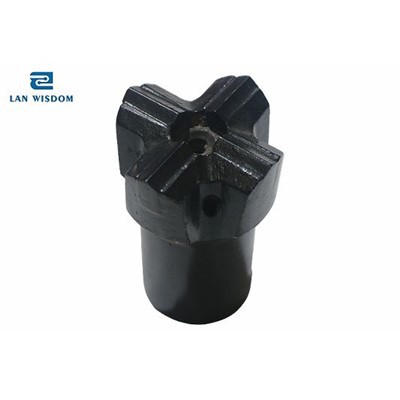
Hey there! As a rock drill supplier, I've seen firsthand how important it is to keep your rock drills in tip - top shape. Whether you're a construction pro or just someone who uses rock drills occasionally, proper maintenance can save you a ton of money and hassle in the long run. So, let's dive into how to maintain a rock drill.
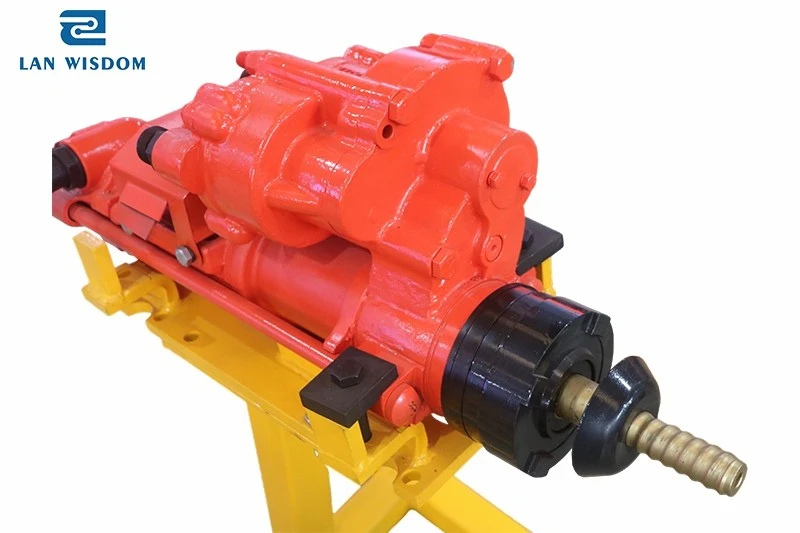

Regular Cleaning
One of the most basic yet crucial steps in maintaining a rock drill is regular cleaning. Rock drills work in some pretty dirty environments, and dust, debris, and rock particles can quickly build up inside the drill. This buildup can lead to all sorts of problems, like reduced performance, increased wear and tear, and even breakdowns.
After each use, take a few minutes to clean the outside of the drill. Use a brush to remove any loose dirt and debris. For more stubborn grime, you can use a mild detergent and a damp cloth. But make sure the drill is completely dry before you store it.
Inside the drill, you'll need to be a bit more careful. Some drills have removable parts that you can clean separately. For example, if your drill has a filter, check it regularly and clean or replace it as needed. A clogged filter can restrict air flow, which will make the drill work harder and may cause it to overheat.
Lubrication
Lubrication is another key aspect of rock drill maintenance. Just like any other machine with moving parts, a rock drill needs proper lubrication to function smoothly. Without enough lubricant, the parts can rub against each other, causing friction, heat, and premature wear.
Check your drill's manual to see what type of lubricant it requires. Most rock drills use a special lubricating oil. You'll usually need to lubricate the drill at regular intervals, which could be after a certain number of hours of use or at the beginning and end of each workday.
When lubricating the drill, be sure to apply the oil in the right places. This may include the piston, valves, and other moving components. You can use an oil gun or a similar tool to apply the lubricant precisely. Don't over - lubricate, though, as too much oil can also cause problems, like attracting more dirt and clogging the drill.
Inspecting for Wear and Tear
Regular inspections are essential for catching small problems before they turn into big ones. Every once in a while, take a close look at your rock drill for signs of wear and tear. Check the drill bits, for instance. Over time, the bits will wear down and become less effective. If you notice that the bit is dull, chipped, or damaged in any way, it's time to replace it.
Inspect the hoses and connectors as well. Cracks, leaks, or loose connections can lead to a loss of pressure, which will affect the drill's performance. If you find any issues with the hoses or connectors, repair or replace them immediately.
Also, look at the body of the drill for any signs of damage, such as cracks or dents. Structural damage can compromise the integrity of the drill and make it unsafe to use. If you notice any serious damage, it's best to consult a professional or contact the manufacturer for advice.
Correct Storage
Proper storage is just as important as the other maintenance steps. When you're not using your rock drill, store it in a clean, dry place. Moisture can cause rust and corrosion, which will damage the drill's components over time.
If possible, store the drill in a protective case or cabinet. This will not only protect it from dust and moisture but also from accidental damage. If you're storing the drill for an extended period, make sure to disassemble any removable parts, clean them thoroughly, and lubricate them before storage.
Different Maintenance for Different Types of Rock Drills
There are several types of rock drills out there, and each may have slightly different maintenance requirements. For example, the YGZ90 Drifter Drill is a powerful and versatile tool often used in large - scale mining and tunneling operations. This type of drill may require more frequent inspections and specialized lubricants due to its heavy - duty use.
The YT24 Air Leg Rock Drill is another popular option. It's commonly used in construction and quarrying. When maintaining an air - leg rock drill, pay special attention to the air system. Make sure the air filter is clean and the air pressure is within the recommended range.
The YSP45 Stoper Drill is a handheld drill that's great for smaller jobs. Since it's more portable, it may be exposed to different environmental conditions. Keep it clean and well - lubricated, and check the handle and trigger for any signs of wear or malfunction.
Training for Operators
It's not just about the maintenance itself; it's also about how the drill is used. Proper training for operators can go a long way in ensuring the longevity of the rock drill. Operators should know how to use the drill correctly, including how to start and stop it, how to adjust the settings, and how to handle it safely.
A well - trained operator is less likely to misuse the drill, which can lead to unnecessary wear and tear. For example, using the drill at the wrong speed or with too much force can damage the drill bits and other components. Make sure your operators are familiar with the drill's manual and any safety guidelines.
Troubleshooting
Even with the best maintenance practices, you may encounter some problems with your rock drill from time to time. Here are a few common issues and how to troubleshoot them:
Reduced Performance: If your drill seems to be working less effectively, check the air pressure (if it's an air - powered drill), the condition of the drill bit, and whether there's any blockage in the drill.
Overheating: Overheating can be caused by a variety of factors, such as lack of lubrication, a clogged air filter, or using the drill for too long without a break. Stop using the drill, let it cool down, and then check and fix the underlying issue.
Strange Noises: Unusual noises coming from the drill can be a sign of a problem. It could be due to loose parts, worn - out components, or improper assembly. Turn off the drill and inspect it carefully to find the source of the noise.
Conclusion
Maintaining a rock drill is not rocket science, but it does require a bit of time and effort. By following these simple steps - regular cleaning, proper lubrication, inspections, correct storage, and operator training - you can keep your rock drill in great working condition for years to come.
If you're in the market for a new rock drill or need more advice on maintenance, feel free to reach out. We're here to help you make the best choices for your rock - drilling needs. Whether you're looking for a YGZ90 Drifter Drill, a YT24 Air Leg Rock Drill, or a YSP45 Stoper Drill, we've got you covered. Let's start a conversation about your specific requirements and how we can assist you in getting the most out of your rock - drilling equipment.
References
- Rock Drill Manufacturer's Manuals
- Industry - Standard Rock Drill Maintenance Guides