

How often should a rock drill be lubricated? This is a question that many of our customers, from mining operators to construction contractors, often ask. As a rock drill supplier, we understand the importance of proper lubrication in maintaining the performance and longevity of these powerful tools. In this blog post, we'll delve into the factors that influence lubrication frequency and provide some general guidelines to help you keep your rock drills in top condition.
Why Lubrication Matters
Before we discuss how often to lubricate a rock drill, let's first understand why lubrication is so crucial. Rock drills operate under extremely harsh conditions, with high levels of vibration, friction, and dust. These factors can cause significant wear and tear on the drill's moving parts, leading to decreased performance, increased maintenance costs, and even premature failure.
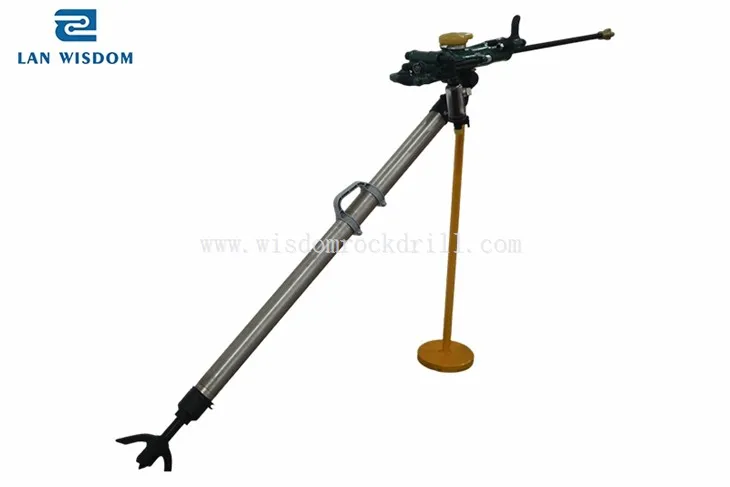

Lubrication serves several important functions in a rock drill:
- Reduces Friction: By creating a thin film between moving parts, lubricants minimize friction, which in turn reduces heat generation and wear. This helps to extend the life of components such as pistons, valves, and bearings.
- Prevents Corrosion: The harsh environments in which rock drills operate can expose them to moisture and corrosive substances. Lubricants form a protective barrier that helps to prevent rust and corrosion, keeping the drill's internal components in good condition.
- Seals and Protects: Lubricants can also help to seal gaps and prevent dust and debris from entering the drill's internal mechanisms. This helps to maintain the integrity of the drill and reduces the risk of damage caused by foreign particles.
Factors Affecting Lubrication Frequency
The frequency at which a rock drill should be lubricated depends on several factors, including:
- Type of Rock Drill: Different types of rock drills have different lubrication requirements. For example, air leg rock drills, such as the YT24 Air Leg Rock Drill and YT28 Rock Drill, typically require more frequent lubrication than drifter drills like the YG80 Drifter Drill. This is because air leg rock drills have more moving parts and operate at higher speeds, which generate more heat and friction.
- Operating Conditions: The conditions in which the rock drill is used also play a significant role in determining lubrication frequency. Drills that are used in dusty or dirty environments, or in applications that require continuous operation, will generally need to be lubricated more often than those used in cleaner, less demanding conditions.
- Lubricant Type: The type of lubricant used can also affect how often it needs to be replenished. Some lubricants are designed to last longer than others, and may require less frequent application. It's important to choose a high-quality lubricant that is specifically formulated for use in rock drills and to follow the manufacturer's recommendations regarding lubricant type and change intervals.
- Usage Intensity: The amount of time the rock drill is used each day, as well as the intensity of its use, will also impact lubrication frequency. Drills that are used for extended periods or at high speeds will generally require more frequent lubrication than those used intermittently or at lower speeds.
General Lubrication Guidelines
While the specific lubrication requirements for each rock drill will vary depending on the factors mentioned above, here are some general guidelines to help you determine how often to lubricate your equipment:
- Daily Inspection: Before each use, it's a good idea to visually inspect the rock drill for any signs of lubricant leakage or low lubricant levels. If you notice any issues, address them immediately to prevent damage to the drill.
- Regular Lubrication: As a general rule, air leg rock drills should be lubricated at least once per shift, or more frequently if they are used in particularly harsh conditions. Drifter drills may only need to be lubricated every few shifts or after a certain number of operating hours, depending on the manufacturer's recommendations.
- Follow Manufacturer's Instructions: Always refer to the manufacturer's operating manual for specific lubrication instructions and recommendations. The manual will provide detailed information on the type of lubricant to use, the lubrication points on the drill, and the recommended lubrication intervals.
- Monitor Lubricant Levels: Keep an eye on the lubricant levels in the drill's lubrication system and refill as needed. Some rock drills are equipped with sight glasses or level indicators that make it easy to check the lubricant level at a glance.
- Use the Right Lubricant: Using the correct type of lubricant is essential for ensuring the proper operation and longevity of your rock drill. Make sure to use a lubricant that is specifically formulated for use in rock drills and that meets the manufacturer's specifications.
Tips for Proper Lubrication
In addition to following the general lubrication guidelines outlined above, here are some tips to help you ensure that your rock drill is properly lubricated:
- Clean the Lubrication Points: Before applying lubricant, make sure to clean the lubrication points on the drill to remove any dirt, dust, or debris. This will help to ensure that the lubricant can penetrate the moving parts and provide effective lubrication.
- Apply the Right Amount of Lubricant: Using too little lubricant can result in insufficient lubrication, while using too much can cause excessive buildup and may even lead to problems such as clogging or leakage. Follow the manufacturer's recommendations regarding the amount of lubricant to apply at each lubrication point.
- Use a Quality Lubrication System: Investing in a high-quality lubrication system can make it easier to apply lubricant evenly and consistently to the drill's moving parts. Some rock drills are equipped with automatic lubrication systems that can help to ensure that the drill is lubricated at the right intervals without the need for manual intervention.
- Keep Records: Maintaining a record of your rock drill's lubrication schedule and maintenance history can help you to track the performance of the equipment and identify any potential issues early on. This can also be useful for warranty purposes and for demonstrating compliance with safety and maintenance regulations.
Conclusion
Proper lubrication is essential for maintaining the performance and longevity of your rock drill. By understanding the factors that affect lubrication frequency and following the general guidelines outlined in this blog post, you can ensure that your equipment is properly lubricated and operating at its best.
If you have any questions about lubricating your rock drill or need assistance in choosing the right lubricant for your equipment, please don't hesitate to contact us. As a leading rock drill supplier, we have the expertise and experience to help you find the solutions you need to keep your equipment running smoothly. Whether you're in the market for a new rock drill or need replacement parts and accessories, we're here to help. Contact us today to learn more about our products and services and to discuss your specific needs.
References
- Manufacturer's operating manuals for YT24 Air Leg Rock Drill, YT28 Rock Drill, and YG80 Drifter Drill.
- Industry best practices for rock drill maintenance and lubrication.


