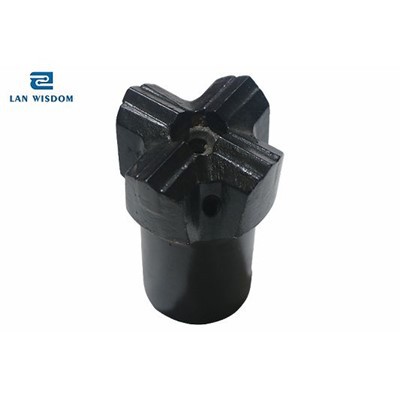
An air leg rock drill is a crucial piece of equipment in mining, tunneling, and construction industries. As a supplier of air leg rock drills, I understand the importance of ensuring that our products operate at their best performance. In this blog post, I will share some effective ways to check the performance of an air leg rock drill.
1. Visual Inspection
The first step in checking the performance of an air leg rock drill is a thorough visual inspection. Before starting the drill, carefully examine the entire machine. Look for any visible signs of damage, such as cracks in the drill body, bent air legs, or loose connections. Check the drill bits for wear and tear. A worn - out drill bit can significantly reduce the drilling efficiency and increase the workload on the drill.
Inspect the air hoses for any leaks. Leaky air hoses can lead to a decrease in air pressure, which is essential for the proper functioning of the air leg rock drill. You can use a simple method to detect air leaks. Apply a soapy water solution to the air hoses and connections. If there are any leaks, bubbles will form at the leak points. For example, our YT24 Air Leg Rock Drill has a well - designed air delivery system, but any damage to the hoses can affect its performance.


2. Air Pressure Test
Air pressure is the driving force behind an air leg rock drill. To ensure optimal performance, you need to check the air pressure at the source and at the drill. Use a reliable air pressure gauge to measure the pressure. The recommended air pressure for most air leg rock drills typically ranges between 0.4 - 0.6 MPa (4 - 6 bar).
Connect the pressure gauge to the air inlet of the drill. Turn on the air supply and monitor the pressure reading. If the pressure is too low, it can cause the drill to operate sluggishly, with reduced impact energy and penetration rate. On the other hand, excessive air pressure can put unnecessary stress on the drill components and may lead to premature wear or even damage.
Our YT28 Rock Drill is designed to work efficiently within a specific air pressure range. Regular air pressure checks can help maintain its performance and extend its service life.
3. Impact Energy Assessment
The impact energy of an air leg rock drill determines its ability to break through rock. There are several ways to assess the impact energy. One common method is to use a special impact energy testing device. However, in practical situations, you can also evaluate it subjectively to some extent.
Operate the drill on a test rock sample. Observe the drilling speed and the power with which the drill bit penetrates the rock. A drill with sufficient impact energy will drill through the rock smoothly and quickly. If you notice that the drill is struggling to make progress or the penetration rate is much lower than normal, it may indicate a problem with the impact energy.
The impact energy can be affected by factors such as air pressure, the condition of the drill's internal components (such as the piston and valve), and the quality of the drill bit. For our YT30G Air Leg Rock Drill, we ensure that it has high - quality internal components to provide consistent impact energy.
4. Rotation Function Check
The rotation of the drill bit is another important aspect of the air leg rock drill's performance. A smooth and consistent rotation helps in better drilling and prevents the drill bit from getting stuck.
Start the drill and observe the rotation of the drill bit. It should rotate freely without any jerks or abnormal noises. You can also measure the rotation speed using a tachometer. Compare the measured rotation speed with the manufacturer's specifications. If the rotation speed is too slow or too fast, it can affect the drilling quality and efficiency.
Check the rotation mechanism for any signs of damage or wear. Some of the common problems include worn - out gears, loose belts (if applicable), or a malfunctioning motor (for electric - assisted rotation). A well - maintained rotation function is essential for the overall performance of the air leg rock drill.
5. Air Leg Performance
The air leg provides support and thrust for the drill. It is important to ensure that the air leg is functioning properly. Check the extension and retraction of the air leg. It should move smoothly and without any resistance. If the air leg gets stuck or moves unevenly, it may be due to a blockage in the air cylinder or a problem with the control valve.
Inspect the rubber pads at the end of the air leg. These pads provide stability during drilling. Worn - out or damaged pads can cause the drill to vibrate excessively or lose stability, which can affect the drilling accuracy and safety.
Adjust the air pressure in the air leg according to the drilling requirements. The air leg should be able to provide sufficient thrust to keep the drill bit in contact with the rock surface. Our air leg rock drills are designed with reliable air leg systems, but regular checks are necessary to maintain their performance.
6. Testing in Different Conditions
To fully evaluate the performance of an air leg rock drill, it is advisable to test it in different working conditions. Try drilling in rocks of different hardness levels. This will help you understand how the drill performs under various stress conditions.
Test the drill in different angles. In some mining and construction projects, the drill may need to work at inclined or horizontal angles. Ensure that the drill can operate effectively at different angles without any loss of performance.
Monitor the drill's performance over an extended period. Continuous operation can reveal potential problems that may not be apparent during short - term testing. For example, overheating or excessive wear of components may occur after several hours of use. Regular monitoring in different conditions can help you identify and address these issues in a timely manner.
Conclusion
Checking the performance of an air leg rock drill is a comprehensive process that involves visual inspection, air pressure testing, impact energy assessment, rotation function check, air leg performance evaluation, and testing in different conditions. As a supplier of high - quality air leg rock drills, we are committed to providing our customers with products that meet the highest standards of performance and reliability.
If you are in the market for an air leg rock drill or want to learn more about our products, we encourage you to contact us for a detailed discussion. Our team of experts is ready to answer all your questions and assist you in making the right purchasing decision.
References
- Mining Equipment Handbook: A guide to the operation and maintenance of rock drills and related equipment.
- Engineering Papers on Air - Powered Machinery: Publications on the principles and performance evaluation of air leg rock drills.