Operating a drill rig safely is of paramount importance in the drilling industry. As a well - established drill rig supplier, we understand the critical role that safety plays in every drilling operation. In this blog, we will delve into the key aspects of safe drill rig operation, providing you with comprehensive guidelines and best practices.
Pre - operation Preparation
Before starting any drill rig operation, a series of pre - operation checks are essential. First and foremost, familiarize yourself thoroughly with the drill rig's user manual. Each drill rig model has its unique features, functions, and safety precautions. The manual provides detailed information on how to operate the rig correctly, including startup procedures, shutdown steps, and safety specifications.
Next, conduct a visual inspection of the entire drill rig. Check for any visible signs of damage, such as cracks in the frame, loose bolts, or worn - out parts. Inspect the hydraulic hoses for leaks, as hydraulic fluid leaks can not only reduce the rig's performance but also pose a significant safety hazard. Additionally, examine the drill bits for wear and tear. A dull or damaged drill bit can cause uneven drilling, increase the risk of breakage, and even lead to accidents.
Another critical step is to ensure that all safety devices are in proper working condition. These devices include emergency stop buttons, safety guards, and warning lights. Test the emergency stop button to make sure it can immediately halt all operations in case of an emergency. Check the safety guards to ensure they are securely in place, protecting operators from moving parts. The warning lights should be visible and functional, alerting operators and other personnel to potential hazards.
Operator Training
One of the most crucial factors in safe drill rig operation is well - trained operators. Operators should receive comprehensive training that covers both theoretical knowledge and practical skills.
Theoretical training should include an understanding of the drill rig's mechanical and electrical systems, drilling principles, and safety regulations. Operators need to know how the different components of the drill rig work together, what the normal operating parameters are, and how to troubleshoot common problems. This knowledge allows them to make informed decisions during the drilling process and respond appropriately to unexpected situations.
Practical training involves hands - on experience with the drill rig. Operators should practice starting, stopping, and operating the rig under the guidance of experienced trainers. They should also learn how to handle different types of drilling materials and adjust the drilling parameters accordingly. For example, when drilling through hard rock, the drill speed and pressure need to be adjusted to prevent damage to the drill bit and the rig.
Regular refresher courses are also necessary to keep operators updated on the latest safety standards and best practices. The drilling industry is constantly evolving, with new technologies and safety regulations emerging all the time. By participating in refresher courses, operators can ensure that they are using the most up - to - date techniques and following the strictest safety guidelines.
On - site Safety Management
When operating a drill rig on - site, proper safety management is crucial. First, establish a clear safety zone around the drill rig. This zone should be marked with warning signs to prevent unauthorized personnel from entering. All workers on - site should be aware of the safety zone and understand the importance of staying outside it unless they are directly involved in the drilling operation.
Maintain a clean and organized work area. Remove any debris, tools, or equipment that is not needed for the current operation. A cluttered work area can increase the risk of slips, trips, and falls, as well as make it more difficult to access emergency equipment.
Ensure proper ventilation in the drilling area, especially when using diesel - powered drill rigs. Diesel engines produce harmful exhaust gases, such as carbon monoxide, which can be dangerous if inhaled in high concentrations. Adequate ventilation helps to disperse these gases and maintain a safe working environment.
In addition, have a first - aid kit readily available on - site. All workers should be trained in basic first - aid procedures, so they can provide immediate assistance in case of an injury. Regularly check the first - aid kit to ensure that all supplies are in good condition and within their expiration dates.
Drilling Process Safety
During the drilling process, several safety measures need to be followed. First, monitor the drilling parameters closely. These parameters include drill speed, pressure, and torque. Deviations from the normal operating parameters can indicate a problem, such as a stuck drill bit or a mechanical failure. If any abnormal readings are detected, stop the drilling operation immediately and investigate the cause.
When adding or removing drill rods, follow the correct procedures. Make sure the drill rig is in a stable position and that all safety locks are engaged. Use the appropriate tools to handle the drill rods, and avoid using excessive force. Improper handling of drill rods can lead to injuries, such as pinched fingers or dropped rods.
Be aware of the surrounding environment during drilling. If the drilling site is near power lines, water sources, or other sensitive areas, take additional precautions. For example, maintain a safe distance from power lines to prevent electrical accidents. If drilling near a water source, be careful not to contaminate the water with drilling fluids or other pollutants.
Maintenance and Inspection
Regular maintenance and inspection of the drill rig are essential for safe operation. Develop a maintenance schedule based on the manufacturer's recommendations. This schedule should include tasks such as oil changes, filter replacements, and lubrication of moving parts.
Conduct daily inspections before starting each drilling operation. Check for any signs of wear, damage, or leaks. Inspect the electrical systems for loose connections or exposed wires. A daily inspection can help identify potential problems early, preventing them from developing into more serious issues.
In addition to daily inspections, perform more in - depth inspections at regular intervals. These inspections may involve disassembling certain components of the drill rig to check for internal damage. For example, inspect the gears and bearings for wear and tear, and replace them if necessary.


The Role of Quality Equipment
As a drill rig supplier, we emphasize the importance of using high - quality equipment. High - quality drill rigs are designed with safety in mind, featuring advanced safety features and robust construction. For example, Disc Drill Rig is one of our star products. It is equipped with state - of - the - art safety systems, such as automatic shut - off in case of abnormal conditions, to ensure the safety of operators and the integrity of the drilling operation.
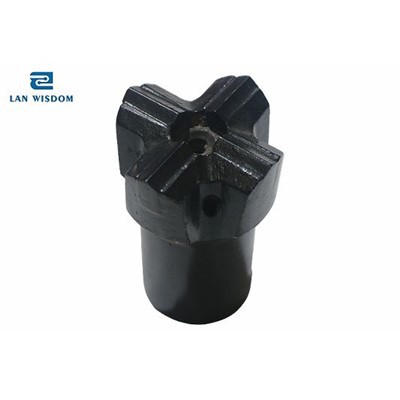
Good quality drill bits also play a crucial role in safe drilling. They are more durable and can maintain their cutting performance for longer periods, reducing the risk of breakage during drilling. Invest in high - quality drill bits to improve the efficiency and safety of your drilling operations.
Conclusion
Safe drill rig operation is a multi - faceted process that requires careful pre - operation preparation, well - trained operators, proper on - site safety management, adherence to safety procedures during the drilling process, and regular maintenance and inspection. As a reliable drill rig supplier, we are committed to providing you with high - quality equipment and comprehensive support to ensure the safety of your drilling operations.
If you are interested in purchasing our drill rig products or have any questions about safe drill rig operation, we encourage you to contact our team for procurement negotiations. We are here to help you find the best solutions for your drilling needs.
References
- Drilling Safety Manual, International Association of Drilling Contractors.
- Safety Standards for Construction Equipment, Occupational Safety and Health Administration.
- Handbook of Drill Rig Operations, Industry - leading experts in the drilling field.