Testing the performance of rock drilling tools is a crucial aspect of ensuring their effectiveness and reliability in various drilling applications. As a rock drilling tools supplier, we understand the significance of providing high-quality products that meet the demands of our customers. In this blog post, we will explore the different methods and factors involved in testing the performance of rock drilling tools, including drill bits and drill rods.
Understanding the Importance of Performance Testing
Before delving into the testing methods, it's essential to understand why performance testing is so important. Rock drilling tools are subjected to extreme conditions, including high pressures, abrasive materials, and varying rock formations. These factors can significantly impact the tool's performance and lifespan. By conducting thorough performance tests, we can identify any potential issues and make necessary improvements to ensure the tools meet the required standards.
Types of Rock Drilling Tools
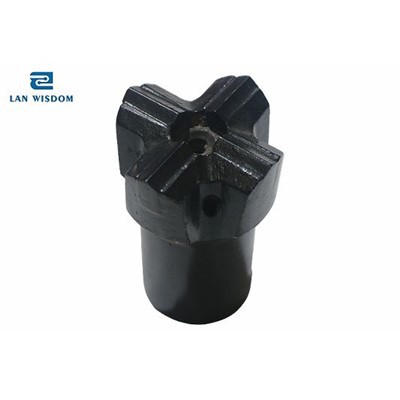
There are several types of rock drilling tools available in the market, each designed for specific applications. The most common types include X Drill Bit, Cross Drill Bit, and Steel Drill Rod. Each tool has its unique features and performance characteristics, which need to be tested to ensure optimal performance.
Testing Methods for Drill Bits
Drill bits are one of the most critical components of a rock drilling system. Their performance directly affects the drilling speed, efficiency, and the quality of the borehole. Here are some of the common testing methods for drill bits:
Penetration Rate Testing
Penetration rate testing measures the speed at which the drill bit can penetrate the rock. This test is conducted by drilling a hole in a sample of rock under controlled conditions. The penetration rate is calculated by dividing the depth of the hole by the time taken to drill it. A higher penetration rate indicates better performance.
Wear Resistance Testing
Wear resistance testing evaluates the ability of the drill bit to withstand wear and tear during drilling. This test involves drilling a specified number of holes in a rock sample and then measuring the wear on the drill bit. The wear can be measured in terms of the loss of material from the cutting edges or the change in the shape of the bit.
Impact Resistance Testing
Impact resistance testing assesses the drill bit's ability to withstand the impact forces generated during drilling. This test is typically conducted by subjecting the drill bit to a series of impacts using a hammer or a drop weight. The drill bit is then inspected for any signs of damage or deformation.


Testing Methods for Drill Rods
Drill rods are used to transmit the drilling force from the drill rig to the drill bit. Their performance is crucial for ensuring the stability and efficiency of the drilling process. Here are some of the common testing methods for drill rods:
Tensile Strength Testing
Tensile strength testing measures the maximum amount of tensile force that a drill rod can withstand before breaking. This test is conducted by applying a gradually increasing tensile force to the drill rod until it fails. The tensile strength is calculated by dividing the maximum force by the cross-sectional area of the drill rod.
Torque Testing
Torque testing evaluates the drill rod's ability to transmit torque from the drill rig to the drill bit. This test is conducted by applying a known torque to the drill rod and measuring the resulting rotation. The torque capacity of the drill rod is determined by the maximum torque it can transmit without slipping or breaking.
Fatigue Testing
Fatigue testing assesses the drill rod's ability to withstand repeated loading and unloading cycles. This test is typically conducted by subjecting the drill rod to a series of cyclic loading conditions using a fatigue testing machine. The drill rod is then inspected for any signs of fatigue cracks or other damage.
Factors Affecting the Performance of Rock Drilling Tools
Several factors can affect the performance of rock drilling tools, including:
Rock Type
The type of rock being drilled has a significant impact on the performance of the drilling tools. Different rock types have different hardness, abrasiveness, and fracture characteristics, which can affect the penetration rate, wear resistance, and impact resistance of the tools.
Drilling Parameters
The drilling parameters, such as the rotation speed, feed rate, and pressure, also play a crucial role in the performance of the drilling tools. These parameters need to be optimized based on the rock type and the specific drilling application to ensure optimal performance.
Tool Design
The design of the drilling tools, including the shape, size, and material of the drill bit and drill rod, can also affect their performance. A well-designed tool can provide better penetration, wear resistance, and impact resistance.
Conclusion
Testing the performance of rock drilling tools is essential for ensuring their effectiveness and reliability in various drilling applications. By using the appropriate testing methods and considering the factors that affect the performance of the tools, we can provide high-quality products that meet the needs of our customers. If you are interested in purchasing rock drilling tools or have any questions about our products, please feel free to contact us for further discussion.
References
- [Author 1], [Title 1], [Publication Year 1]
- [Author 2], [Title 2], [Publication Year 2]
- [Author 3], [Title 3], [Publication Year 3]