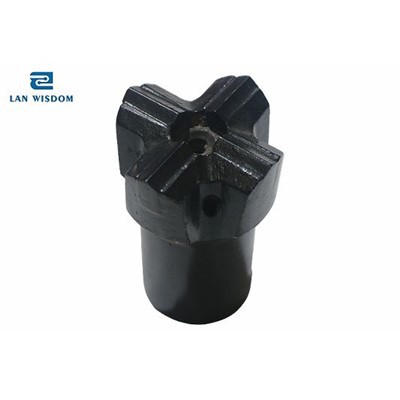
As a drill rig supplier, ensuring electrical safety is of utmost importance when it comes to operating drill rigs. Drill rigs are complex pieces of equipment that rely heavily on electrical systems to function properly. Any negligence in electrical safety can lead to serious accidents, injuries, and even fatalities. In this blog post, I will discuss the essential electrical safety precautions for a drill rig.
1. Regular Inspections and Maintenance
Regular inspections and maintenance of the electrical systems on a drill rig are crucial to prevent electrical hazards. This includes checking for loose connections, damaged wires, and worn-out components. Inspections should be carried out by qualified electricians at regular intervals, and any issues should be addressed immediately.
For example, loose connections can cause arcing, which can lead to fires. Damaged wires can expose live conductors, increasing the risk of electric shock. By conducting regular inspections, these potential hazards can be identified and rectified before they cause any harm.
2. Proper Grounding
Proper grounding is essential for the safety of the drill rig and its operators. Grounding provides a path for electrical current to flow safely into the ground in the event of a fault. This helps to prevent electric shock and reduces the risk of electrical fires.
All electrical equipment on the drill rig should be properly grounded. This includes the drill rig itself, as well as any auxiliary equipment such as generators and lighting systems. Grounding conductors should be of the appropriate size and should be securely connected to the ground.
3. Use of Personal Protective Equipment (PPE)
Operators of drill rigs should always wear appropriate personal protective equipment (PPE) when working with electrical systems. This includes insulated gloves, safety glasses, and protective clothing. PPE helps to protect the operator from electric shock and other electrical hazards.
Insulated gloves are designed to provide electrical insulation and prevent electric shock. Safety glasses protect the eyes from flying debris and electrical arcs. Protective clothing helps to prevent burns and other injuries in the event of an electrical fire.
4. Training and Education
Proper training and education are essential for drill rig operators and maintenance personnel. They should be trained on the safe operation of the drill rig's electrical systems, as well as the proper use of PPE. Training should also include emergency procedures in case of an electrical accident.


Operators should be familiar with the electrical schematics of the drill rig and should know how to identify and troubleshoot electrical problems. They should also be aware of the potential hazards associated with working with electricity and should take appropriate precautions to prevent accidents.
5. Lockout/Tagout Procedures
Lockout/tagout procedures are used to prevent accidental energization of electrical equipment during maintenance or repair. This involves isolating the electrical power source and applying a lock and tag to prevent anyone from turning the power back on.
Before performing any maintenance or repair on the drill rig's electrical systems, the power source should be locked out and tagged. This ensures that the equipment is de-energized and that the operator is protected from electric shock.
6. Avoiding Overloading
Overloading electrical circuits can cause overheating and increase the risk of electrical fires. It is important to ensure that the electrical load on the drill rig is within the rated capacity of the electrical system.
This can be achieved by carefully managing the use of electrical equipment on the drill rig. Operators should avoid using multiple high-power devices simultaneously and should ensure that the electrical load is evenly distributed across the circuits.
7. Protection Against Environmental Factors
Drill rigs are often used in harsh environments, such as construction sites and oil fields. These environments can expose the electrical systems to moisture, dust, and other contaminants, which can damage the electrical components and increase the risk of electrical hazards.
To protect the electrical systems from environmental factors, they should be properly sealed and protected. This includes using waterproof enclosures for electrical equipment and ensuring that all electrical connections are protected from moisture and dust.
8. Use of Electrical Safety Devices
Electrical safety devices, such as circuit breakers and ground fault circuit interrupters (GFCIs), are essential for protecting the drill rig and its operators from electrical hazards. Circuit breakers are designed to automatically trip and cut off the electrical power in the event of an overload or short circuit. GFCIs are used to detect and prevent electric shock by quickly shutting off the power when a ground fault is detected.
All electrical circuits on the drill rig should be protected by circuit breakers and GFCIs. These devices should be regularly tested to ensure that they are functioning properly.
9. Emergency Response Planning
In the event of an electrical accident, it is important to have an emergency response plan in place. This plan should include procedures for evacuating the drill rig, providing first aid to injured personnel, and notifying the appropriate authorities.
Operators should be trained on the emergency response plan and should know what to do in case of an electrical accident. Regular drills should be conducted to ensure that the operators are familiar with the emergency procedures.
10. Quality Electrical Components
Using high-quality electrical components is essential for the safety and reliability of the drill rig's electrical systems. Low-quality components are more likely to fail, which can lead to electrical hazards.
When purchasing electrical components for the drill rig, it is important to choose products from reputable manufacturers. These components should meet the relevant safety standards and should be tested and certified.
In conclusion, electrical safety is a critical aspect of operating a drill rig. By following these electrical safety precautions, drill rig operators and maintenance personnel can reduce the risk of electrical accidents and ensure the safety of themselves and others. As a drill rig supplier, we are committed to providing our customers with high-quality drill rigs that meet the highest safety standards. If you are in the market for a drill rig, we encourage you to Disc Drill Rig and contact us for more information. Our team of experts will be happy to assist you with your drill rig needs and help you choose the right equipment for your project.
References
- Electrical Safety Foundation International. (n.d.). Electrical Safety for Construction. Retrieved from [Website URL]
- Occupational Safety and Health Administration. (n.d.). Electrical Safety Standards. Retrieved from [Website URL]
- National Fire Protection Association. (n.d.). Electrical Safety Codes and Standards. Retrieved from [Website URL]