As a trusted supplier of air leg rock drills, I understand the importance of ensuring these powerful tools operate at their best. Over the years, I've encountered numerous common faults that can impede the performance of air leg rock drills. In this blog, I will delve into these issues and provide practical solutions to keep your equipment running smoothly.
1. Poor Drilling Performance
One of the most prevalent problems with air leg rock drills is poor drilling performance. When the drill fails to penetrate the rock effectively or the drilling speed is significantly slower than normal, several factors could be at play.
Insufficient Air Pressure: Air leg rock drills rely on compressed air to function. If the air pressure is too low, the drill will lack the power needed to break through the rock. To address this issue, check the air compressor to ensure it is operating at the recommended pressure. Most air leg rock drills require an air pressure of around 0.4 - 0.6 MPa. Adjust the compressor settings if necessary, and inspect the air hoses for any leaks or blockages.
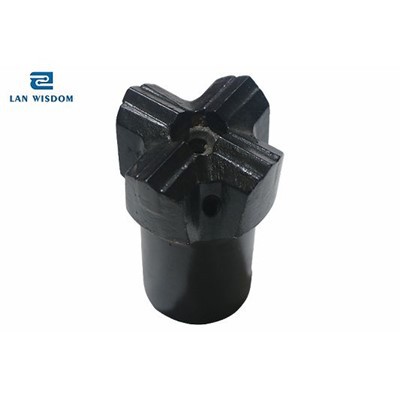
Worn Drill Bits: A dull or worn drill bit can also cause poor drilling performance. Over time, the cutting edges of the drill bit can become blunt, reducing its ability to penetrate the rock. Regularly inspect the drill bits for signs of wear and replace them as needed. For different types of rocks, choose the appropriate drill bit with the right size and shape. For example, our YT30G Air Leg Rock Drill is compatible with high - quality drill bits designed for efficient rock drilling.
2. Excessive Vibration
Excessive vibration during operation is not only uncomfortable for the operator but can also indicate underlying problems with the air leg rock drill.


Loose Components: Loose bolts, nuts, or other components can cause the drill to vibrate excessively. Before each use, carefully inspect the drill for any loose parts and tighten them securely. Pay special attention to the connection between the drill body and the air leg, as well as the components within the drill head.
Imbalanced Piston: The piston inside the drill is a critical component that generates the impact force. If the piston becomes imbalanced, it can lead to uneven operation and excessive vibration. In this case, the piston may need to be inspected and, if necessary, replaced. Professional maintenance may be required to ensure the proper installation and alignment of the new piston.
3. Air Leakage
Air leakage is another common issue that can affect the performance and efficiency of air leg rock drills.
Damaged Air Hoses: Air hoses are prone to damage over time, especially in harsh working environments. Cracks, holes, or loose connections in the air hoses can cause air to leak, reducing the available air pressure for the drill. Regularly inspect the air hoses for any signs of damage. Replace damaged hoses immediately and ensure all connections are tight and secure.
Worn Seals: Seals inside the drill, such as piston seals and valve seals, can wear out over time, leading to air leakage. If you suspect a seal is worn, disassemble the relevant parts of the drill and replace the seals with new ones. Make sure to use high - quality seals that are compatible with your specific model of air leg rock drill, like the YT24 Air Leg Rock Drill.
4. Malfunctioning Valves
The valves in an air leg rock drill control the flow of compressed air, and any malfunction can disrupt the normal operation of the drill.
Sticky Valves: Sticky valves can occur due to dirt, debris, or lack of lubrication. If the valves do not open or close properly, the drill may not function correctly. To clean sticky valves, disassemble the valve assembly and use a suitable cleaning solution to remove any dirt or debris. Ensure the valves are properly lubricated with a high - quality air tool lubricant before reassembling the drill.
Damaged Valve Seats: Over time, the valve seats can become damaged, causing air leakage or improper valve operation. If the valve seats are damaged, they need to be replaced. This may require some technical expertise, so it's recommended to consult a professional or refer to the drill's user manual for detailed instructions.
5. Air Leg Issues
The air leg is an essential part of an air leg rock drill, providing support and allowing for adjustable drilling angles. Problems with the air leg can affect the overall performance of the drill.
Weak Support: If the air leg fails to provide sufficient support, the drill may move unpredictably during operation. This can be caused by low air pressure in the air leg cylinder or a malfunctioning air leg control valve. Check the air pressure in the air leg cylinder and ensure the control valve is functioning properly. If necessary, adjust the air pressure or replace the control valve.
Difficulty in Adjustment: Sometimes, it may be difficult to adjust the length or angle of the air leg. This could be due to a jammed mechanism or worn parts. Inspect the adjustment mechanism for any signs of damage or blockage. Lubricate the moving parts and, if needed, replace any worn components.
Solutions Summary
To summarize, here are some key steps to solve the common faults of air leg rock drills:
- Regular Maintenance: Establish a regular maintenance schedule for your air leg rock drills. This includes cleaning, lubrication, and inspection of all components. Regular maintenance can help detect and prevent potential problems before they become serious.
- Use High - Quality Parts: When replacing parts, always use high - quality parts that are compatible with your specific drill model. This ensures the reliability and performance of the drill.
- Training for Operators: Provide proper training for drill operators. Operators should be familiar with the correct operation, maintenance, and troubleshooting procedures of the air leg rock drills.
As a reliable supplier of air leg rock drills, we offer a wide range of high - quality products, such as the YT28 Rock Drill, YT24 Air Leg Rock Drill, and YT30G Air Leg Rock Drill. Our products are designed for durability, efficiency, and ease of maintenance.
If you are experiencing any issues with your air leg rock drills or are looking to purchase new equipment, we are here to assist you. Our team of experts can provide professional advice and support. Contact us to discuss your requirements and let us help you find the best solution for your rock - drilling needs.
References
- Manufacturer's manuals for YT30G Air Leg Rock Drill, YT24 Air Leg Rock Drill, and YT28 Rock Drill.
- Industry standards and guidelines for air leg rock drill operation and maintenance.