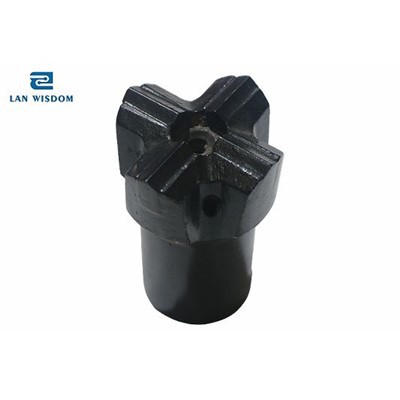
What is the size of a rock drill? This is a question that often comes up when customers are looking to purchase a rock drill for various applications. As a rock drill supplier, I've had the opportunity to work with a wide range of clients, each with their unique requirements. In this blog post, I'll delve into the factors that determine the size of a rock drill and how it impacts its performance and suitability for different tasks.
Understanding the Basics of Rock Drill Sizes
When we talk about the size of a rock drill, we're referring to several key dimensions and specifications. These include the overall length, diameter, weight, and power output of the drill. Each of these factors plays a crucial role in determining the drill's effectiveness in different rock drilling scenarios.
The overall length of a rock drill is an important consideration, especially when working in confined spaces. Longer drills may offer greater reach but can be more difficult to maneuver in tight areas. On the other hand, shorter drills are more compact and easier to handle but may have limitations in terms of the depth they can reach.
The diameter of the drill bit is another critical factor. Larger diameter bits are typically used for larger holes and more heavy-duty applications, such as mining and quarrying. Smaller diameter bits, on the other hand, are suitable for lighter tasks, such as drilling holes for anchor bolts or installing small pipes.
Weight is also an important consideration, particularly for handheld rock drills. Heavier drills may offer more power and stability but can be more tiring to use for extended periods. Lighter drills are more portable and easier to handle but may have limitations in terms of their power output.
Finally, the power output of a rock drill is measured in terms of horsepower (HP) or kilowatts (kW). Higher power drills are capable of drilling through harder rocks and at faster rates but may also consume more energy and require more maintenance.
Factors Affecting Rock Drill Size
Several factors influence the size of a rock drill, including the type of rock being drilled, the depth and diameter of the hole, and the specific application.
Type of Rock
The hardness and density of the rock being drilled are the primary factors that determine the size and power requirements of a rock drill. Softer rocks, such as limestone and sandstone, can be drilled with smaller, less powerful drills. Harder rocks, such as granite and basalt, require larger, more powerful drills to achieve efficient drilling.
Depth and Diameter of the Hole
The depth and diameter of the hole being drilled also play a significant role in determining the size of the rock drill. Deeper holes require longer drills, while larger diameter holes require larger drill bits and more powerful drills to ensure efficient drilling.
Specific Application
The specific application for which the rock drill is being used also affects its size. For example, rock drills used in mining and quarrying operations are typically larger and more powerful than those used in construction or landscaping applications.
Common Sizes of Rock Drills
Rock drills come in a wide range of sizes to suit different applications. Here are some of the most common sizes and their typical uses:
Small Handheld Rock Drills
Small handheld rock drills are typically lightweight and portable, making them ideal for light-duty applications, such as drilling holes for anchor bolts, installing small pipes, and performing minor rock breaking tasks. These drills usually have a power output of less than 5 HP and are suitable for drilling holes up to 1-2 inches in diameter and a few feet in depth.
Medium-Sized Rock Drills
Medium-sized rock drills are more powerful and versatile than small handheld drills. They are commonly used in construction, mining, and quarrying applications for drilling holes up to 4-6 inches in diameter and depths of up to 20-30 feet. These drills typically have a power output of 5-15 HP and may be either handheld or mounted on a drill rig.
Large Rock Drills
Large rock drills are heavy-duty machines designed for large-scale mining and quarrying operations. They are capable of drilling holes up to 12 inches or more in diameter and depths of several hundred feet. These drills typically have a power output of 15 HP or more and are usually mounted on large drill rigs.
Choosing the Right Size Rock Drill
Choosing the right size rock drill for your application is crucial to ensure efficient and effective drilling. Here are some tips to help you make the right choice:
Consider the Type of Rock
As mentioned earlier, the type of rock being drilled is the primary factor that determines the size and power requirements of a rock drill. Make sure to choose a drill that is capable of handling the hardness and density of the rock you'll be working with.
Determine the Depth and Diameter of the Hole
The depth and diameter of the hole you need to drill will also influence the size of the rock drill you choose. Make sure to select a drill that can reach the required depth and has a drill bit of the appropriate diameter.
Evaluate the Specific Application
Consider the specific application for which you'll be using the rock drill. If you're working in a confined space, a smaller, more portable drill may be more suitable. If you're working on a large-scale mining or quarrying project, a larger, more powerful drill may be necessary.
Consult with a Professional
If you're unsure which size rock drill is right for your application, it's always a good idea to consult with a professional. As a rock drill supplier, I have extensive experience in helping customers choose the right equipment for their needs. I can provide you with expert advice and recommendations based on your specific requirements.
The Hydraulic Rock Drill Advantage
One type of rock drill that has gained popularity in recent years is the hydraulic rock drill. Hydraulic rock drills offer several advantages over traditional pneumatic and electric drills, including:


Higher Power and Efficiency
Hydraulic rock drills are capable of delivering higher power and torque, making them more efficient at drilling through hard rocks. They also have a faster drilling rate, which can save time and increase productivity.
Better Control and Precision
Hydraulic rock drills offer better control and precision than pneumatic and electric drills. They allow for more accurate drilling and can be adjusted to suit different rock conditions and drilling requirements.
Reduced Noise and Vibration
Hydraulic rock drills produce less noise and vibration than pneumatic drills, making them more comfortable and safer to use. They also have a lower environmental impact, as they do not produce exhaust emissions.
Contact Us for Your Rock Drill Needs
If you're in the market for a rock drill, I encourage you to contact us to discuss your specific requirements. As a leading rock drill supplier, we offer a wide range of high-quality rock drills in various sizes and configurations to suit different applications. Our team of experts can help you choose the right drill for your needs and provide you with comprehensive support and after-sales service.
Whether you're a small construction company looking for a handheld rock drill or a large mining operation in need of a heavy-duty drill rig, we have the expertise and resources to meet your needs. Contact us today to learn more about our products and services and to get a free quote.
References
- "Rock Drilling Handbook" by Sandvik Mining and Rock Technology
- "Drilling and Blasting of Rocks" by Ove Dahl, Svein Fjaer, and Jostein Nygaard