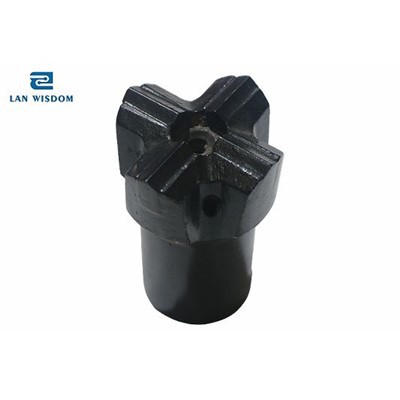
As a seasoned supplier of air leg rock drills, I've encountered numerous inquiries from customers regarding the suitability of these powerful tools for wet drilling conditions. In this blog post, I'll delve into the technical aspects, advantages, limitations, and best practices associated with using air leg rock drills in wet drilling scenarios.
Understanding Air Leg Rock Drills
Before we explore wet drilling, let's briefly understand what air leg rock drills are. These drills are pneumatic tools powered by compressed air. They consist of a drill bit, a piston mechanism, and an air leg that provides support and feed force during drilling. Air leg rock drills are widely used in mining, tunneling, and construction industries due to their high efficiency, reliability, and portability.
Our company offers a range of air leg rock drills, including the YT30G Air Leg Rock Drill, YT28 Rock Drill, and YT24 Air Leg Rock Drill. Each model is designed to meet specific drilling requirements and offers unique features and benefits.
Wet Drilling Conditions
Wet drilling involves the use of water or other drilling fluids during the drilling process. This technique is commonly employed to cool the drill bit, reduce dust generation, and improve the overall drilling efficiency. Wet drilling is particularly useful in hard rock formations, where the heat generated during drilling can cause the drill bit to wear out quickly.


Advantages of Using Air Leg Rock Drills in Wet Drilling
- Cooling Effect: Water or drilling fluids used in wet drilling act as a coolant, dissipating the heat generated during the drilling process. This helps to extend the lifespan of the drill bit and reduces the risk of overheating, which can lead to premature failure.
- Dust Suppression: One of the major advantages of wet drilling is its ability to suppress dust. Dust generated during dry drilling can be a health hazard for workers and can also cause environmental pollution. By using water or drilling fluids, the dust is captured and settled, creating a safer and cleaner working environment.
- Improved Drilling Efficiency: The presence of water or drilling fluids lubricates the drill bit, reducing friction and improving the cutting performance. This results in faster drilling speeds and better hole quality.
- Reduced Wear and Tear: Wet drilling helps to reduce the wear and tear on the drill bit and other components of the air leg rock drill. The lubricating effect of the drilling fluid reduces the friction between the drill bit and the rock, minimizing the damage caused by abrasion.
Limitations and Challenges
While air leg rock drills can be used in wet drilling conditions, there are some limitations and challenges that need to be considered.
- Corrosion: Water and drilling fluids can cause corrosion to the metal components of the air leg rock drill. To prevent corrosion, it is important to use high-quality materials and ensure proper maintenance and lubrication.
- Clogging: The use of water or drilling fluids can lead to clogging of the drill bit and the air passages. This can reduce the efficiency of the drill and may require frequent cleaning and maintenance.
- Water Supply: Wet drilling requires a continuous supply of water or drilling fluids. In some remote locations, it may be difficult to access a reliable water source, which can limit the use of wet drilling techniques.
- Environmental Impact: The disposal of used drilling fluids can have an environmental impact. It is important to follow proper environmental regulations and guidelines when disposing of drilling fluids to minimize the pollution.
Best Practices for Using Air Leg Rock Drills in Wet Drilling
To ensure the safe and efficient use of air leg rock drills in wet drilling conditions, it is important to follow these best practices:
- Select the Right Drill Bit: Choose a drill bit that is specifically designed for wet drilling. These drill bits are usually made of high-quality materials and have a special coating to resist corrosion and wear.
- Use the Right Drilling Fluid: Select a drilling fluid that is compatible with the rock formation and the air leg rock drill. The drilling fluid should have good lubricating and cooling properties and should be able to suppress dust effectively.
- Maintain Proper Water Pressure: Ensure that the water pressure is maintained at the recommended level. Too low a pressure may not provide sufficient cooling and lubrication, while too high a pressure can cause damage to the drill bit and other components.
- Clean and Maintain the Drill Regularly: Clean the drill bit and the air passages regularly to prevent clogging. Lubricate the moving parts of the air leg rock drill to reduce friction and wear.
- Follow Safety Procedures: Wear appropriate personal protective equipment (PPE) such as safety glasses, gloves, and respirators when working with air leg rock drills in wet drilling conditions. Follow all safety procedures and guidelines to prevent accidents and injuries.
Conclusion
In conclusion, air leg rock drills can be used in wet drilling conditions with proper precautions and maintenance. The advantages of wet drilling, such as cooling effect, dust suppression, improved drilling efficiency, and reduced wear and tear, make it a popular choice in many industries. However, it is important to be aware of the limitations and challenges associated with wet drilling and to follow the best practices to ensure the safe and efficient use of air leg rock drills.
If you are interested in purchasing an air leg rock drill for wet drilling applications, please feel free to contact us. Our team of experts will be happy to assist you in selecting the right drill for your specific needs and provide you with all the necessary information and support.
References
- "Rock Drilling Handbook" by Atlas Copco
- "Mining Engineering Handbook" by Paul A. La Camera