As a supplier of airleg drills, I've often been asked whether our airleg drills can be used for anchor drilling. This is a crucial question for many in the mining, construction, and tunneling industries, where anchor drilling plays a vital role in ensuring structural stability. In this blog post, I'll delve into the capabilities of airleg drills for anchor drilling, exploring their advantages, limitations, and the specific models that are well - suited for this task.
Understanding Airleg Drills
Airleg drills are pneumatic tools that are widely used in various rock - related operations. They are powered by compressed air and are typically mounted on an air - powered leg, which provides support and thrust during the drilling process. The airleg can be adjusted to different angles and heights, allowing for flexibility in drilling positions. These drills are known for their portability, relatively low cost, and ease of use.
One of the key features of airleg drills is their ability to generate high - frequency impacts, which are essential for breaking through hard rock. The impact mechanism, combined with the rotation of the drill bit, enables efficient rock penetration. Some of the popular airleg drill models we offer include the YT28 Rock Drill, YT30G Air Leg Rock Drill, and YT24 Air Leg Rock Drill.
Anchor Drilling: What is it?
Anchor drilling is a process used to create holes in rock or concrete for the installation of anchors. These anchors are used to provide support and stability to structures such as tunnels, mines, and buildings. The holes are typically drilled to a specific depth and diameter, depending on the type and size of the anchor being used. Anchor drilling requires precision, as the quality of the hole directly affects the performance of the anchor.
Advantages of Using Airleg Drills for Anchor Drilling
1. Portability
One of the main advantages of airleg drills is their portability. They are relatively lightweight and can be easily transported to different work sites. This is especially beneficial in mining and tunneling operations, where access to the drilling location may be limited. Workers can quickly move the airleg drill to the desired position and start drilling without the need for heavy - duty equipment for transportation.
2. Cost - effectiveness
Airleg drills are generally more cost - effective compared to other types of drilling equipment. They have a lower initial purchase price and require less maintenance. The use of compressed air as a power source is also relatively inexpensive, making airleg drills an economical choice for anchor drilling, especially for small - to - medium - scale projects.
3. Flexibility
The adjustable airleg allows for drilling at different angles and heights. This flexibility is crucial in anchor drilling, as anchors may need to be installed at various orientations depending on the structural requirements. Workers can easily adjust the airleg to achieve the desired drilling angle, ensuring that the anchor holes are drilled accurately.
4. High - frequency Impact
As mentioned earlier, airleg drills generate high - frequency impacts, which are effective in breaking through hard rock. This is essential for anchor drilling, as the rock in many construction and mining sites is often hard and dense. The high - frequency impacts help to create clean and precise holes, which are necessary for proper anchor installation.
Limitations of Using Airleg Drills for Anchor Drilling
1. Depth Limitations
Airleg drills are generally suitable for relatively shallow anchor holes. While they can drill holes up to a certain depth, they may not be the best choice for very deep anchor drilling. As the depth increases, the efficiency of the airleg drill may decrease, and it may become more difficult to maintain the required drilling speed and accuracy.
2. Power Output
Compared to some larger, more powerful drilling machines, airleg drills have a relatively lower power output. This can be a limitation when drilling through extremely hard or thick rock layers. In such cases, the drilling process may be slower, and the drill bit may wear out more quickly.


3. Dust Generation
Airleg drills can generate a significant amount of dust during the drilling process. This can be a health hazard for workers, especially in enclosed spaces such as mines and tunnels. Proper dust control measures, such as the use of dust collectors or water sprays, need to be implemented to ensure a safe working environment.
Suitable Airleg Drill Models for Anchor Drilling
YT28 Rock Drill
The YT28 Rock Drill is a popular choice for anchor drilling. It has a high - impact frequency and a relatively large power output, making it suitable for drilling in medium - to - hard rock. The drill is also known for its reliability and durability, which are important factors in anchor drilling operations.
YT30G Air Leg Rock Drill
The YT30G Air Leg Rock Drill is another excellent option. It offers improved performance compared to some other models, with a more efficient impact mechanism and better control. The adjustable airleg allows for precise drilling at different angles, making it well - suited for anchor drilling.
YT24 Air Leg Rock Drill
The YT24 Air Leg Rock Drill is a lightweight and compact option. It is easy to operate and is suitable for smaller - scale anchor drilling projects. Despite its smaller size, it still provides sufficient power and impact for drilling anchor holes in softer to medium - hard rock.
Considerations for Using Airleg Drills in Anchor Drilling
Drill Bit Selection
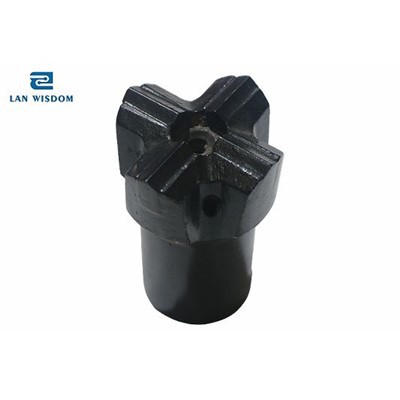
The choice of drill bit is crucial for successful anchor drilling. Different types of drill bits are available, each designed for specific rock conditions. For example, tungsten carbide - tipped drill bits are suitable for hard rock, while diamond - tipped drill bits can be used for extremely hard or abrasive rock. It is important to select the right drill bit to ensure efficient drilling and to prevent premature wear of the drill bit.
Maintenance
Regular maintenance of the airleg drill is essential to ensure its optimal performance. This includes checking and replacing worn - out parts, lubricating the moving components, and ensuring that the air supply is clean and dry. Proper maintenance not only extends the lifespan of the drill but also helps to prevent breakdowns during anchor drilling operations.
Safety
Safety should always be a top priority when using airleg drills for anchor drilling. Workers should wear appropriate personal protective equipment (PPE), such as hard hats, safety glasses, and dust masks. The work area should be properly ventilated, and dust control measures should be in place to minimize the risk of respiratory problems.
Conclusion
In conclusion, airleg drills can be effectively used for anchor drilling, especially in small - to - medium - scale projects and in situations where portability and cost - effectiveness are important. They offer several advantages, such as portability, flexibility, and high - frequency impact, which make them suitable for creating anchor holes in a variety of rock conditions. However, they also have some limitations, such as depth limitations and power output.
If you are considering using airleg drills for your anchor drilling needs, we encourage you to explore our range of models, including the YT28 Rock Drill, YT30G Air Leg Rock Drill, and YT24 Air Leg Rock Drill. Our team of experts is ready to assist you in selecting the right drill for your specific requirements. Contact us to start a discussion about your anchor drilling project and explore how our airleg drills can meet your needs.
References
- "Drilling and Blasting Handbook" by Orica Mining Services
- "Rock Mechanics in Mining" by Evert Hoek and John W. Bray