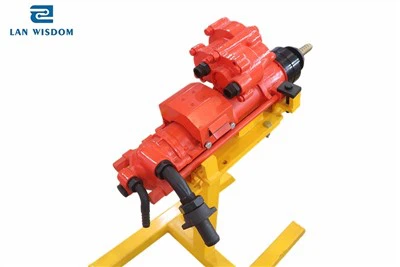
Hey there! As a supplier of air leg rock drills, I've seen firsthand how crucial reliability is in the mining and construction industries. An unreliable air leg rock drill can lead to downtime, increased maintenance costs, and even safety hazards. So, in this blog post, I'm going to share some tips on how to improve the reliability of an air leg rock drill.
1. Choose the Right Drill for the Job
The first step in improving the reliability of an air leg rock drill is to choose the right one for the job. Different drills are designed for different types of rock and applications. For example, if you're working in hard rock, you'll need a drill with more power and a stronger bit. On the other hand, if you're working in softer rock, a less powerful drill may be sufficient.


At our company, we offer a range of air leg rock drills to suit different needs. For instance, the YT24 Air Leg Rock Drill is a popular choice for medium-hard rock drilling. It's lightweight, easy to operate, and has a high drilling efficiency. The YT30G Air Leg Rock Drill is another great option for more demanding applications. It has a larger piston diameter and more power, making it suitable for hard rock drilling. And if you're looking for a versatile drill that can handle a variety of rock types, the YT28 Rock Drill is a good choice.
2. Proper Maintenance
Regular maintenance is essential for keeping your air leg rock drill in good working condition. Here are some maintenance tips to follow:
- Clean the Drill Regularly: Dirt and debris can accumulate in the drill, causing it to malfunction. Make sure to clean the drill after each use, especially the air intake and exhaust ports.
- Lubricate the Drill: Proper lubrication is crucial for reducing friction and wear. Follow the manufacturer's recommendations for lubrication intervals and use the recommended lubricant.
- Check the Bits: The drill bits are the most important part of the drill. Check the bits regularly for wear and replace them when necessary. Dull bits can cause the drill to work harder, leading to increased wear and tear on the drill.
- Inspect the Air Hoses: The air hoses are responsible for delivering compressed air to the drill. Inspect the hoses regularly for leaks and damage. Replace any damaged hoses immediately.
3. Train Your Operators
Proper training is essential for ensuring that your operators know how to use the air leg rock drill safely and effectively. Here are some training tips to follow:
- Provide Comprehensive Training: Make sure your operators receive comprehensive training on the operation, maintenance, and safety of the air leg rock drill. The training should include both classroom instruction and hands-on practice.
- Emphasize Safety: Safety should be the top priority when using an air leg rock drill. Make sure your operators understand the potential hazards associated with the drill and how to prevent accidents.
- Encourage Regular Maintenance: Encourage your operators to perform regular maintenance on the drill. This will help to prevent breakdowns and extend the life of the drill.
4. Use High-Quality Parts
Using high-quality parts is essential for improving the reliability of your air leg rock drill. Here are some tips for choosing high-quality parts:
- Choose Parts from a Reputable Manufacturer: Make sure you choose parts from a reputable manufacturer. This will ensure that the parts are made to high standards and are compatible with your drill.
- Use Genuine Parts: Whenever possible, use genuine parts from the manufacturer. Genuine parts are designed specifically for your drill and are more likely to fit properly and perform well.
- Avoid Cheap Imitations: Avoid using cheap imitations of parts. These parts may be less expensive, but they are often of lower quality and may not perform as well as genuine parts.
5. Monitor the Drill's Performance
Monitoring the performance of your air leg rock drill is essential for detecting problems early and preventing breakdowns. Here are some tips for monitoring the drill's performance:
- Keep a Maintenance Log: Keep a maintenance log for your drill. This will help you to track the maintenance history of the drill and identify any patterns or trends.
- Check the Drill's Performance Regularly: Check the drill's performance regularly, including the drilling speed, air pressure, and water flow. If you notice any changes in the performance of the drill, investigate the cause immediately.
- Use Diagnostic Tools: Use diagnostic tools, such as vibration analyzers and temperature sensors, to monitor the performance of the drill. These tools can help you to detect problems early and prevent breakdowns.
Conclusion
Improving the reliability of an air leg rock drill is essential for ensuring the safety and efficiency of your mining or construction operations. By choosing the right drill for the job, performing regular maintenance, training your operators, using high-quality parts, and monitoring the drill's performance, you can significantly improve the reliability of your air leg rock drill.
If you're in the market for an air leg rock drill, or if you need help improving the reliability of your existing drill, please don't hesitate to contact us. We're here to help you find the right solution for your needs.
References
- Manufacturer's manuals for YT24, YT30G, and YT28 air leg rock drills.
- Industry best practices for air leg rock drill maintenance and operation.