Maintaining an air leg rock drill is crucial for ensuring its long - term performance and reliability. As an air leg rock drill supplier, I've seen firsthand how proper maintenance can extend the lifespan of these powerful tools and save operators a ton of money in the long run. In this blog, I'll share some practical tips on how to keep your air leg rock drill in top - notch condition.
Regular Cleaning
One of the simplest yet most effective ways to maintain an air leg rock drill is through regular cleaning. After each use, it's essential to remove any dust, debris, or rock particles from the drill. These contaminants can cause premature wear and tear on the drill's components, leading to malfunctions and reduced efficiency.
Start by using a brush to clean the exterior of the drill, paying special attention to the air intake and exhaust ports. Make sure these ports are clear of any blockages, as this can affect the drill's air flow and performance. You can also use compressed air to blow out any stubborn debris from hard - to - reach areas.
For the internal components, it's a good idea to disassemble the drill periodically (following the manufacturer's instructions) and clean each part thoroughly. Use a suitable cleaning solvent to remove any grease, oil, or dirt. Once cleaned, dry the parts completely before reassembling the drill.
Lubrication
Proper lubrication is another key aspect of air leg rock drill maintenance. Lubricating the moving parts reduces friction, prevents wear, and ensures smooth operation. Different parts of the drill require different types of lubricants, so it's important to use the right ones.
The air motor, for example, usually requires a high - quality air tool oil. You can add a few drops of oil into the air inlet before each use. The piston and other reciprocating parts also need to be lubricated regularly. Some drills come with an automatic lubrication system, but it's still a good practice to check the oil level and quality frequently.
When lubricating the drill, make sure not to over - lubricate, as this can attract dust and debris, which may cause more harm than good. Follow the manufacturer's recommendations on the type and amount of lubricant to use.
Inspection of Components
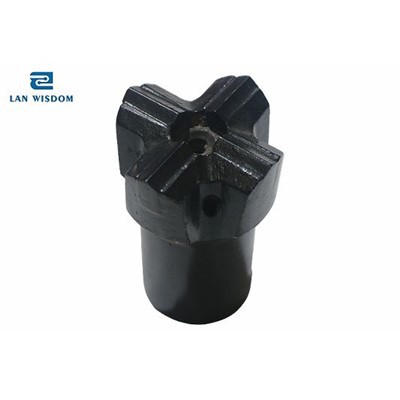
Regular inspection of the drill's components is vital for detecting any potential problems early on. Check the drill bit for signs of wear, such as dull edges or cracks. A worn - out drill bit can not only reduce drilling efficiency but also put extra stress on the drill, leading to more serious issues. Replace the drill bit as soon as it shows significant wear.
Inspect the air hoses for any signs of damage, such as cuts, leaks, or kinks. A damaged air hose can cause a loss of air pressure, which will affect the drill's performance. If you find any issues with the air hoses, replace them immediately.
The air leg is another important part to check. Look for any signs of bending, cracking, or loose connections. The air leg provides support and stability during drilling, so it's essential that it's in good working condition. Make sure the locking mechanisms on the air leg are functioning properly.
Adjustment of Settings
Over time, the settings of the air leg rock drill may need to be adjusted to maintain optimal performance. For example, the air pressure can affect the drill's speed and power. You should check the air pressure regularly using a pressure gauge and adjust it according to the manufacturer's specifications.


The feed force of the air leg also needs to be adjusted correctly. If the feed force is too high, it can cause excessive wear on the drill bit and other components. On the other hand, if the feed force is too low, the drilling efficiency will be reduced. Experiment with different feed forces to find the optimal setting for the type of rock you're drilling.
Storage
Proper storage of the air leg rock drill when it's not in use is also important for its maintenance. Store the drill in a clean, dry place away from direct sunlight and extreme temperatures. If possible, store the drill in a protective case to prevent it from getting damaged.
Before storing the drill, make sure it's clean and dry. Drain any remaining oil or water from the air system. You can also apply a light coat of rust - preventive oil to the metal parts to protect them from corrosion.
Our Product Range
As an air leg rock drill supplier, we offer a wide range of high - quality products. For example, the YT30G Air Leg Rock Drill is a popular choice among our customers. It's known for its powerful performance and durability. The YT24 Air Leg Rock Drill is another great option, especially for smaller - scale drilling projects. And if you're looking for a reliable and versatile drill, the YT28 Rock Drill might be just what you need.
Contact Us for Purchase and Consultation
If you're in the market for a new air leg rock drill or need more information on maintenance, don't hesitate to reach out to us. We have a team of experts who can provide you with professional advice and guidance. Whether you're a small - scale contractor or a large - scale mining company, we can help you find the right drill for your needs.
References
- Manufacturer's manuals for air leg rock drills
- Industry best practices for air tool maintenance
- Technical articles on rock drilling equipment maintenance