As an air leg drill supplier, I've encountered a wide array of issues with these powerful tools over the years. Air leg drills are essential equipment in mining, construction, and other industries where rock drilling is required. However, like any mechanical device, they are prone to several common problems. In this blog, I'll discuss these issues and provide practical solutions.


1. Low Drilling Efficiency
One of the most frequent complaints from users is low drilling efficiency. This can manifest as slow penetration rates, difficulty in starting holes, or the drill bit getting stuck easily.
Possible Causes
- Inadequate Air Supply: Air leg drills rely on compressed air to function. If the air supply is insufficient in terms of pressure or volume, the drill will not operate at its optimal capacity. This can be due to a faulty compressor, leaks in the air hoses, or improper sizing of the air supply system.
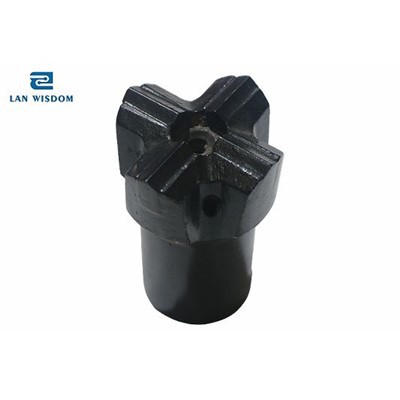
- Worn Drill Bits: Over time, drill bits can become dull or damaged, reducing their ability to cut through rock effectively. This is especially true if the drill is used in hard or abrasive rock formations.
- Incorrect Drill Bit Selection: Using the wrong type of drill bit for the specific rock type can also lead to low drilling efficiency. For example, a drill bit designed for soft rock may struggle in hard granite.
Solutions
- Check and Optimize Air Supply: Regularly inspect the compressor to ensure it is functioning properly and delivering the required air pressure and volume. Check for leaks in the air hoses and repair them promptly. Consider upgrading the compressor or the air supply system if necessary.
- Replace Worn Drill Bits: Inspect the drill bits regularly and replace them when they show signs of wear or damage. Using high - quality drill bits can also improve drilling efficiency and reduce the frequency of replacements.
- Select the Right Drill Bit: Consult the manufacturer's guidelines or an experienced technician to choose the appropriate drill bit for the rock type you are working with. Our YT24 Air Leg Rock Drill, YT28 Rock Drill, and YT30G Air Leg Rock Drill are compatible with a variety of drill bits, allowing you to make the best selection for your needs.
2. Excessive Vibration
Excessive vibration can make the drill difficult to control, cause operator fatigue, and even lead to premature wear of the drill components.
Possible Causes
- Imbalanced Drill Components: If the drill components, such as the piston or the drill bit, are not properly balanced, it can result in excessive vibration. This can happen due to manufacturing defects, damage during use, or improper installation.
- Loose Fasteners: Loose bolts, nuts, or other fasteners can cause the drill to vibrate more than normal. Over time, the constant vibration can cause these fasteners to loosen further.
- Hard or Uneven Rock Surfaces: Drilling in hard or uneven rock can also increase vibration levels as the drill bit encounters varying resistance.
Solutions
- Balance the Drill Components: If you suspect that the drill components are imbalanced, have them inspected and balanced by a professional technician. This may involve replacing damaged or worn parts.
- Tighten Loose Fasteners: Regularly check and tighten all the fasteners on the drill. Use a torque wrench to ensure that the fasteners are tightened to the correct specifications.
- Adjust Drilling Technique: When drilling in hard or uneven rock, adjust your drilling technique to reduce vibration. This may include reducing the drilling speed, increasing the air pressure slightly, or using a more aggressive drill bit.
3. Air Leaks
Air leaks are a common problem in air leg drills and can lead to reduced performance, increased energy consumption, and even safety hazards.
Possible Causes
- Damaged Seals: The seals in the drill, such as piston seals, valve seals, or air hose connections, can wear out or get damaged over time. This can allow air to leak out of the system.
- Cracked or Damaged Hoses: Air hoses can develop cracks or holes due to abrasion, excessive bending, or exposure to harsh environmental conditions. These leaks can reduce the air pressure and volume reaching the drill.
- Loose Fittings: If the fittings connecting the air hoses to the drill or the compressor are not tightened properly, it can result in air leaks.
Solutions
- Replace Damaged Seals: Inspect the seals regularly and replace any that show signs of wear or damage. Use high - quality seals to ensure a proper seal and prevent air leaks.
- Repair or Replace Damaged Hoses: If you notice any cracks or holes in the air hoses, repair them using a suitable hose repair kit or replace the hoses altogether. Make sure to use hoses that are rated for the appropriate air pressure and temperature.
- Tighten Loose Fittings: Check all the fittings regularly and tighten them to prevent air leaks. Use thread sealant on the fittings to ensure a tight seal.
4. Overheating
Overheating can cause damage to the drill components, reduce the lifespan of the drill, and even pose a safety risk.
Possible Causes
- Insufficient Lubrication: Air leg drills require proper lubrication to reduce friction between moving parts. If the drill is not lubricated adequately, the friction can generate excessive heat.
- Continuous Operation: Extended periods of continuous operation without breaks can cause the drill to overheat. This is especially true in hot or humid environments.
- Clogged Air Passages: If the air passages in the drill are clogged with dirt, dust, or debris, it can restrict the airflow and cause the drill to overheat.
Solutions
- Ensure Proper Lubrication: Follow the manufacturer's lubrication guidelines and use the recommended lubricant. Regularly check the oil level in the lubricator and refill it as needed.
- Take Breaks During Operation: To prevent overheating, take regular breaks during extended periods of operation. This allows the drill to cool down and reduces the risk of damage.
- Clean Air Passages: Regularly clean the air passages in the drill to remove any dirt, dust, or debris. Use a compressed air gun or a suitable cleaning solution to clean the passages.
5. Malfunctioning Valves
The valves in an air leg drill control the flow of compressed air and play a crucial role in the operation of the drill. Malfunctioning valves can cause a variety of problems, including reduced performance, inconsistent drilling, and even complete drill failure.
Possible Causes
- Dirt and Debris: Dirt, dust, and debris can accumulate in the valves over time, causing them to stick or malfunction. This is especially common in dirty or dusty work environments.
- Worn Valve Seats: The valve seats can wear out over time due to constant use, resulting in leaks or improper valve operation.
- Incorrect Adjustment: If the valves are not adjusted correctly, they may not function properly. This can happen during installation or after maintenance.
Solutions
- Clean the Valves: Regularly clean the valves to remove any dirt, dust, or debris. Use a soft brush or compressed air to clean the valves thoroughly.
- Replace Worn Valve Seats: If the valve seats are worn out, replace them with new ones. Make sure to use high - quality valve seats that are compatible with your drill.
- Adjust the Valves Correctly: Refer to the manufacturer's manual for the correct valve adjustment procedure. If you are unsure, consult a professional technician.
In conclusion, while air leg drills are reliable and powerful tools, they are not without their problems. By understanding the common issues and their solutions, you can ensure the optimal performance and longevity of your air leg drill. As an air leg drill supplier, we are committed to providing high - quality products and comprehensive support to our customers. If you are experiencing any problems with your air leg drill or are considering purchasing a new one, we encourage you to contact us for further assistance. We can help you select the right drill for your needs and provide guidance on maintenance and troubleshooting.
References
- Manufacturer's manuals for YT24 Air Leg Rock Drill, YT28 Rock Drill, and YT30G Air Leg Rock Drill.
- Industry publications on construction and mining equipment maintenance.